
























NASA launches final Pegasus XL rocket to send LINK spacecraft on mission to boost Swift telescope into stable orbit
By
Josh Dinner
Summary
NASA has launched the LINK spacecraft (built by Katalyst Space Technologies) aboard the final flight of a Northrop Grumman Pegasus XL rocket on a rescue mission to save the aging Neil Gehrels Swift Observatory. The Swift telescope, which has been operating for years, is gradually losing altitude and risks burning up in Earth's atmosphere. LINK will rendezvous with Swift and tow it to a higher, stable orbit, extending its operational life and preventing its destruction.
Source
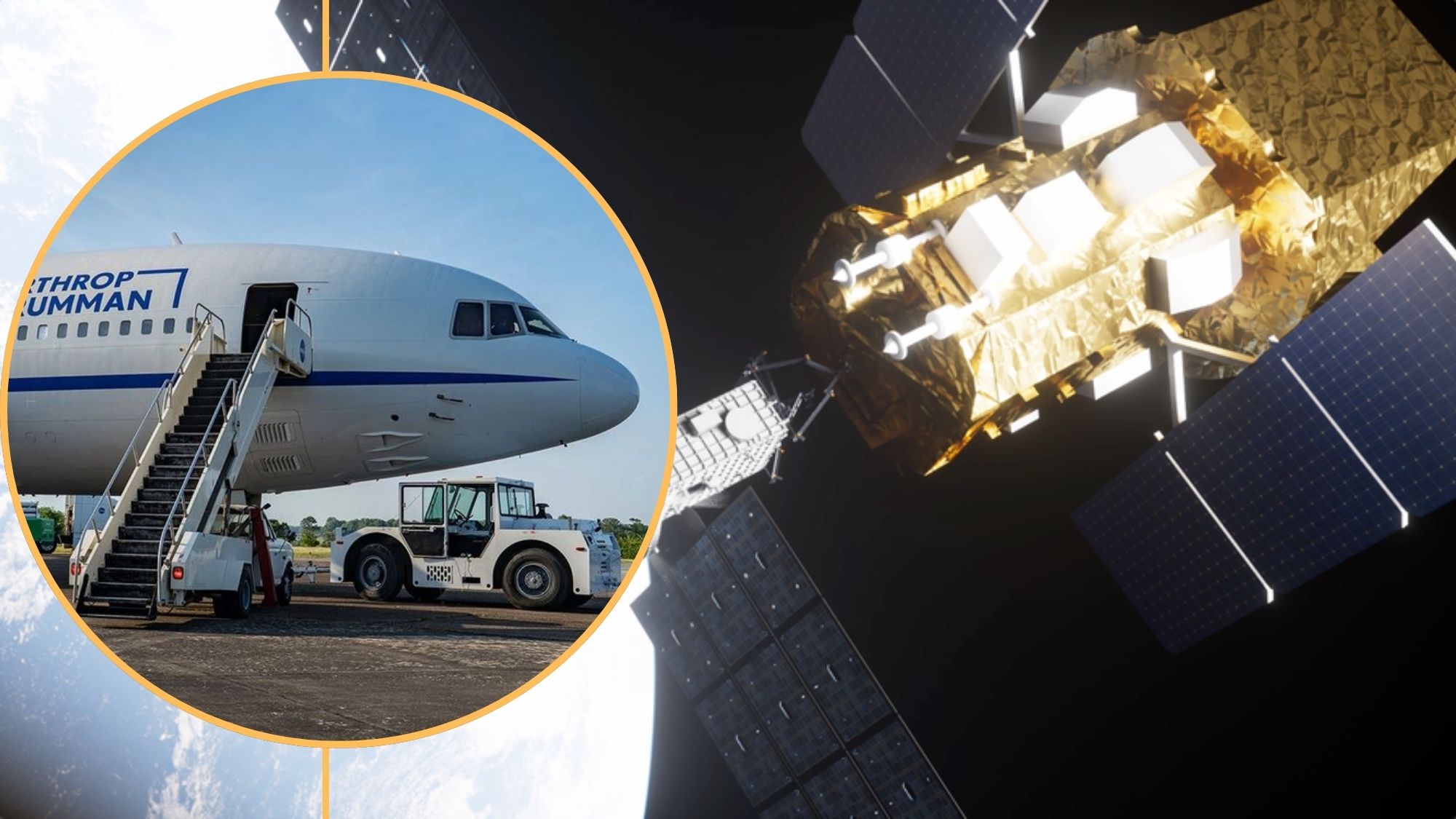
 bskyNASA launches final Pegasus XL rocket to send LINK spacecraft on mission to boost Swift telescope into stable orbitspace.com
Key quotes
· 3 pulledThe Swift Boost mission successfully launched the LINK satellite, built by Arizona-based Katalyst Space Technologies, on Friday (July 3) at 4:36 a.m. EDT (0836 GMT), according to NASA.
LINK will rendezvous with NASA's Neil Gehrels Swift Observatory and tow it to a stable orbit, saving it from impending destruction as its trajectory dips farther into the atmosphere.
An air-launched Northrop Grumman Pegasus XL rocket has flown for the very last time, sending a private spacecraft on a rescue mission to save one of NASA's most iconic space telescopes from falling back to Earth.
You might also wanna read


NASA's final Pegasus XL rocket launch will send satellite to rescue Swift space telescope from orbital decay
NASA is launching a rescue mission on June 30 using the final flight of Northrop Grumman's Pegasus XL rocket. The mission, called Swift Boos
 space.com·4d ago
NASA's final Pegasus XL rocket launch will send satellite to rescue Swift space telescope from orbital decay
NASA is launching a rescue mission on June 30 using the final flight of Northrop Grumman's Pegasus XL rocket. The mission, called Swift Boos
space.com·4d ago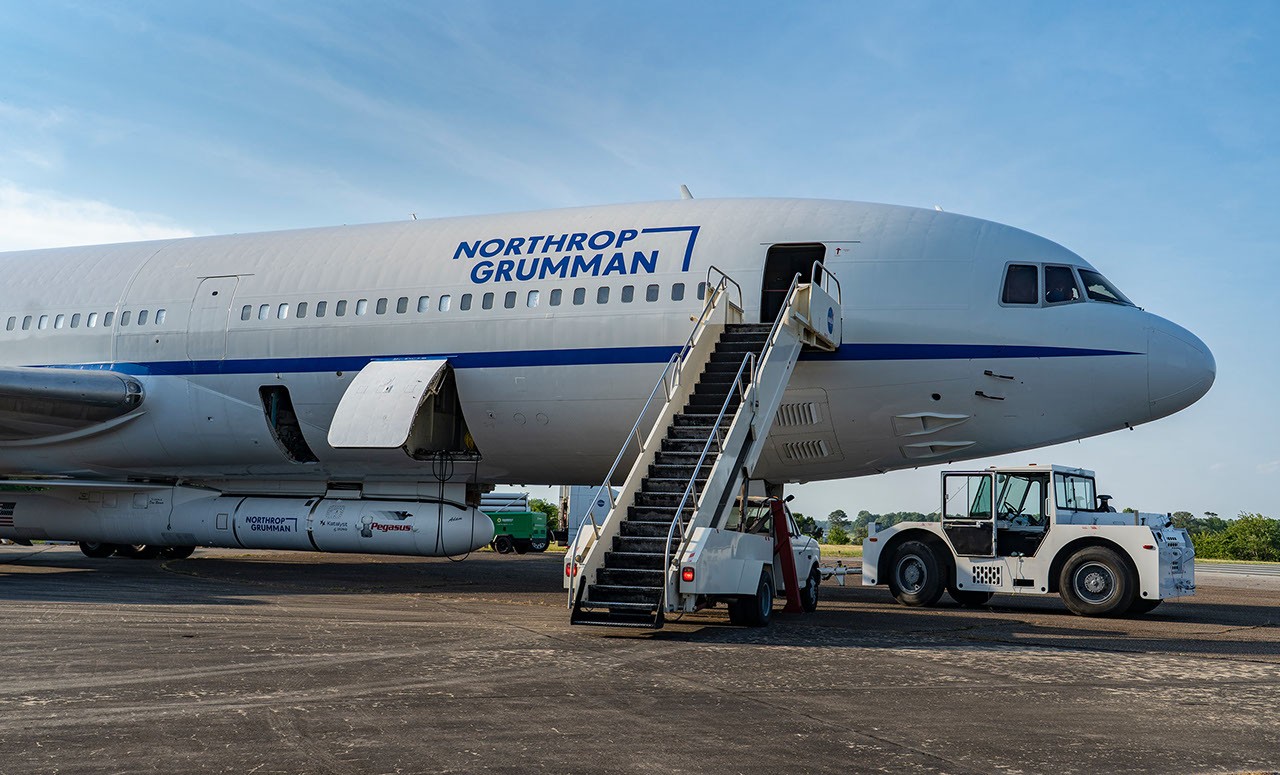
NASA Launches Mission to Boost Swift Observatory's Orbit from Marshall Islands
A mission to boost the orbit of NASA's Neil Gehrels Swift Observatory launched on July 3 from Kwajalein Atoll in the Marshall Islands. The m
 science.nasa.gov·19h ago
Launch of Katalyst Space's LINK Servicing Spacecraft to Boost NASA's Swift Observatory Delayed by Weather
The launch of Katalyst Space's robotic servicing spacecraft LINK, intended to boost the orbit of NASA's Neil Gehrels Swift Observatory, was
science.nasa.gov·3d ago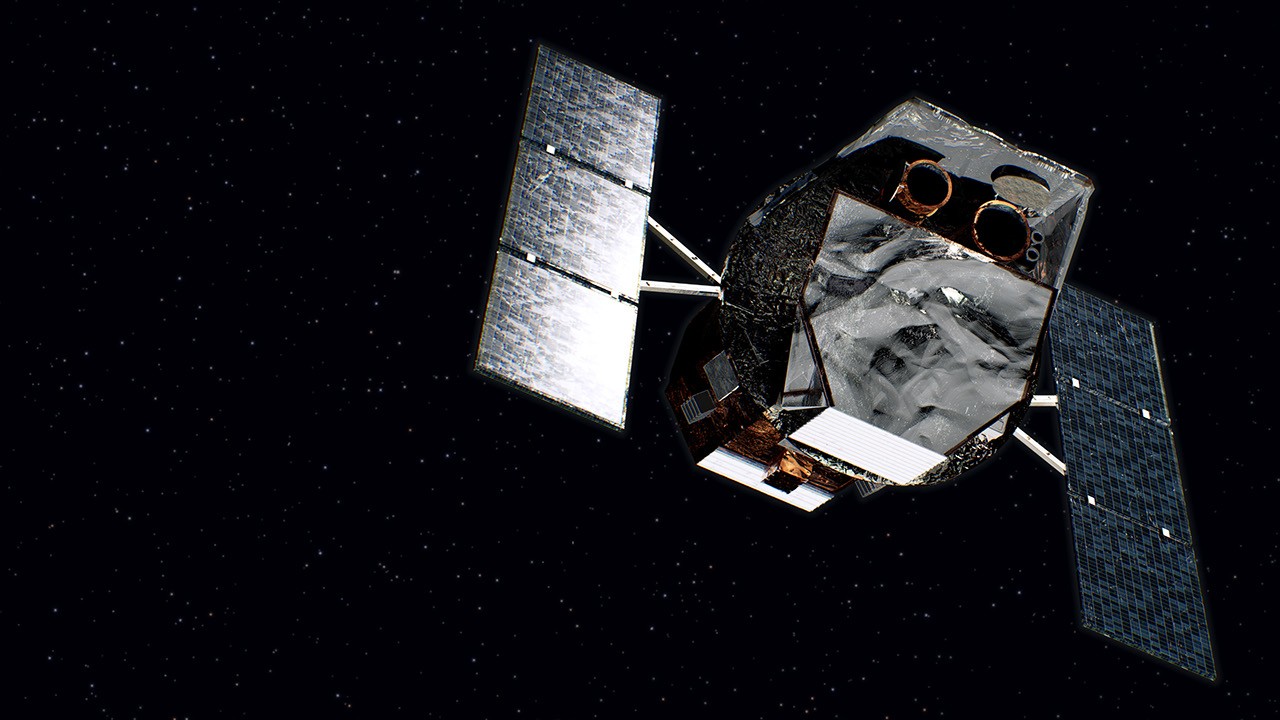
Weather Postpones Launch of Katalyst Space's LINK Mission to Boost NASA's Swift Observatory
The launch of Katalyst Space's robotic servicing spacecraft LINK, intended to boost the orbit of NASA's Neil Gehrels Swift Observatory, was
science.nasa.gov·2d ago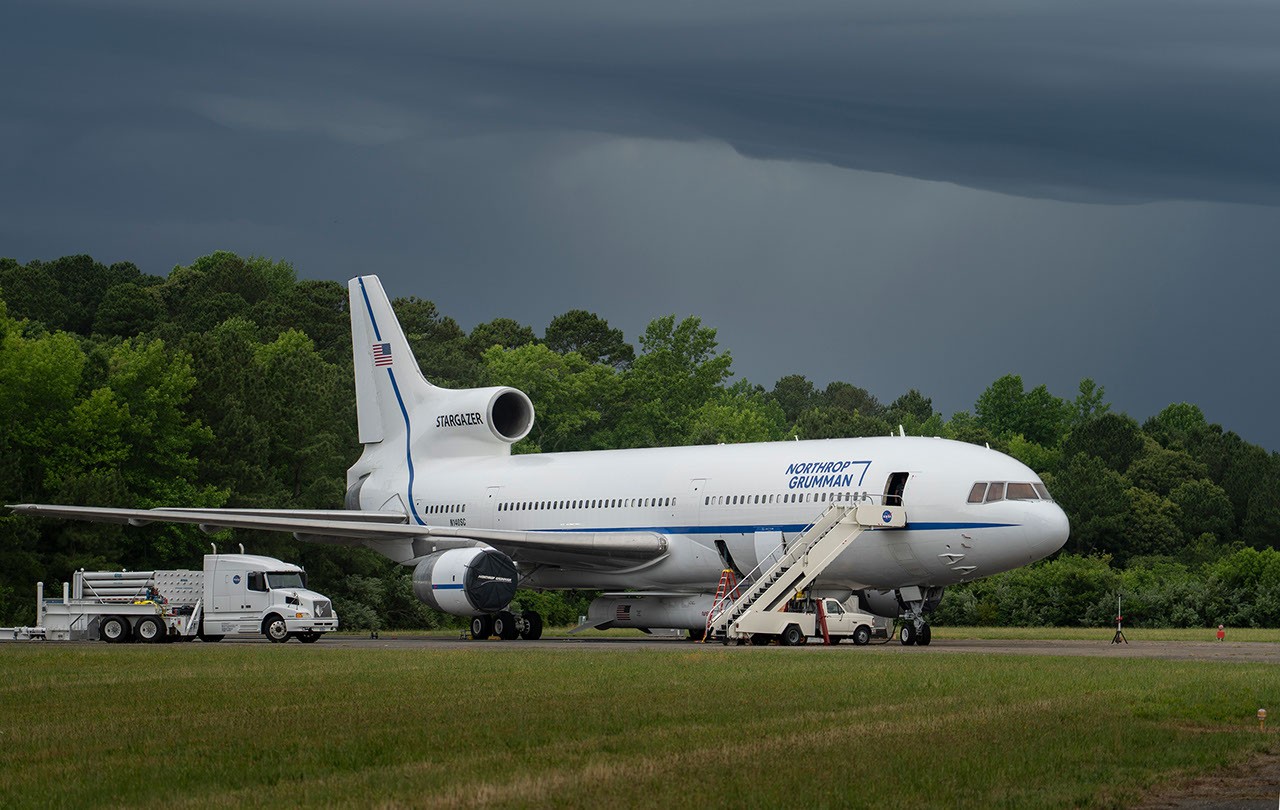
NASA and Partners Set June 30 Launch Date for Swift Observatory Orbit-Boosting Mission
NASA, in partnership with Katalyst Space and Northrop Grumman, is preparing to launch a mission to raise the orbit of the Neil Gehrels Swift
science.nasa.gov·7d agoNASA and Partners Set June 30 Launch Date for Swift Observatory Orbit-Boosting Mission
NASA, in partnership with Katalyst Space and Northrop Grumman, is preparing to launch a mission to raise the orbit of the Neil Gehrels Swift
science.nasa.gov·7d ago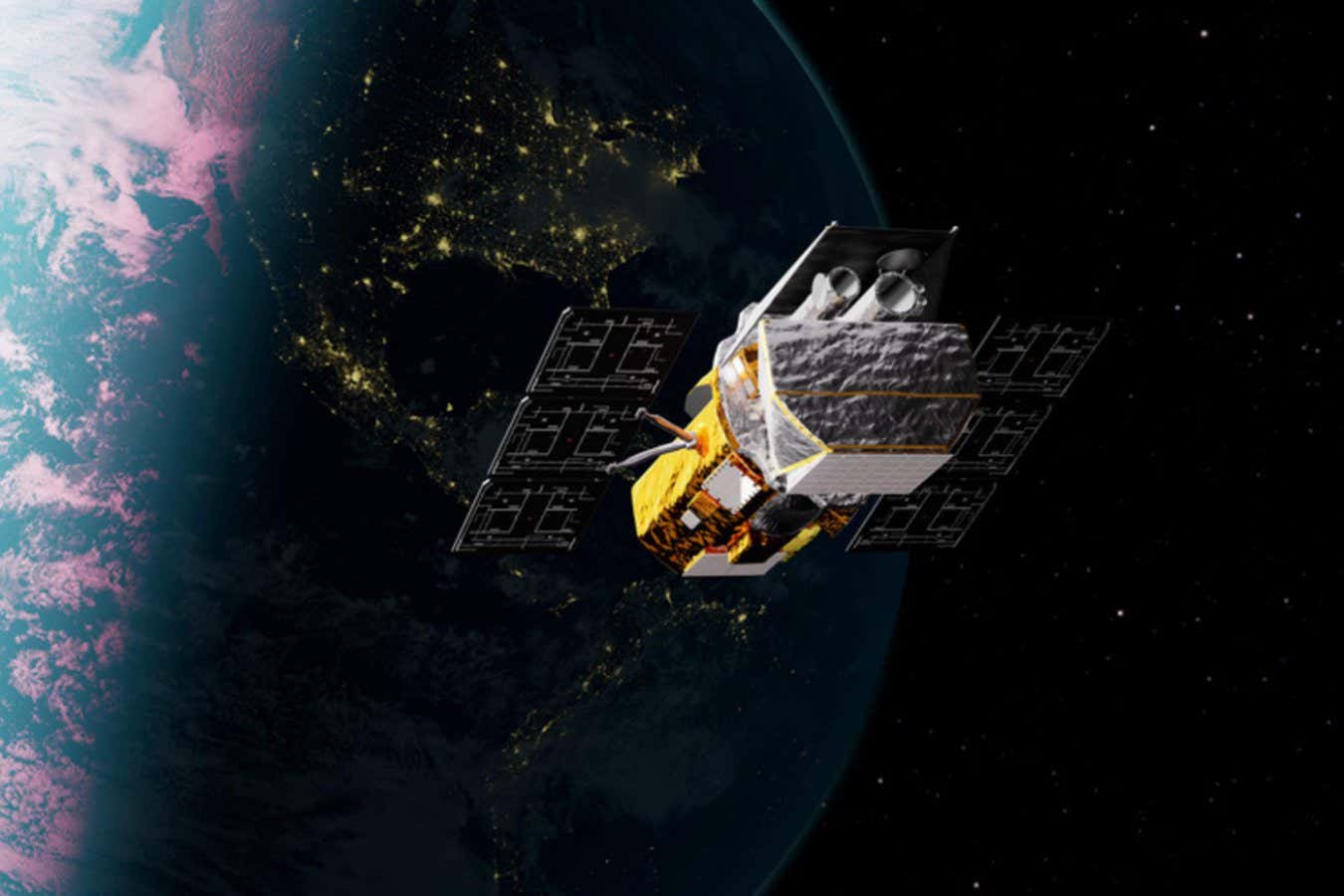
NASA launches rescue mission to boost falling Swift space telescope back into orbit
NASA's Neil Gehrels Swift Observatory space telescope is in orbital decay after nearly two decades in space, dropping from 600 km to 375 km
 newscientist.com·11h ago
Comments
Sign in to join the conversation.
No comments yet. Be the first.