





















Private spacecraft "Link" to launch next month in mission to boost NASA's aging Swift Observatory orbit
By
Mike Wall

Sesame, salt, and substance. A flagship bake.
Summary
NASA's aging Swift Observatory, launched in 2004 to detect gamma-ray bursts, is being pulled down by atmospheric drag at an increasing rate. A private spacecraft called "Link" is scheduled to launch late next month on a rescue mission to boost the telescope's orbit and extend its operational life. The mission faces the challenge of first locating and rendezvousing with Swift in low Earth orbit before attempting the orbital boost.
Key quotes
· 3 pulledIt's getting to be crunch time for a groundbreaking satellite-rescue mission.
Swift is still working just fine. But atmospheric drag is pulling it down at an ever-increasing rate.
These predictions evolve over time, based on space weather forecasts and other factors like Swift's current height and orientation.
You might also wanna read


How solar sails could propel humanity to interstellar space
This article explores the concept of solar sails as a realistic propulsion method for interstellar space travel. It discusses how solar sail
 space.com·8h ago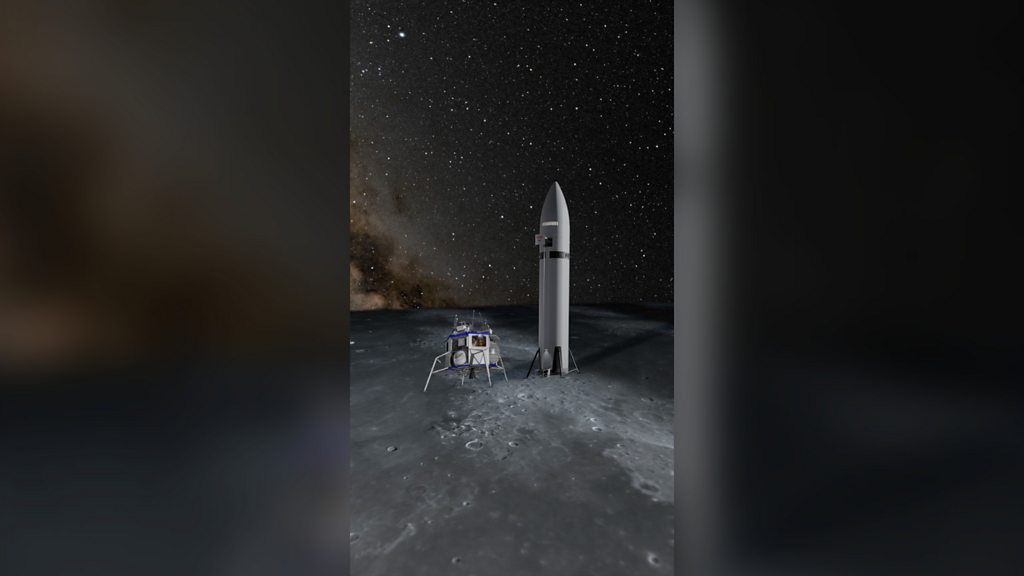
Nasa reveals plans for lunar base with robotic landers and drones
Nasa has released details of its plans to build a lunar base on the Moon, involving robotic landers, hopping drones, and vehicles. The initi
 bbc.com·11h ago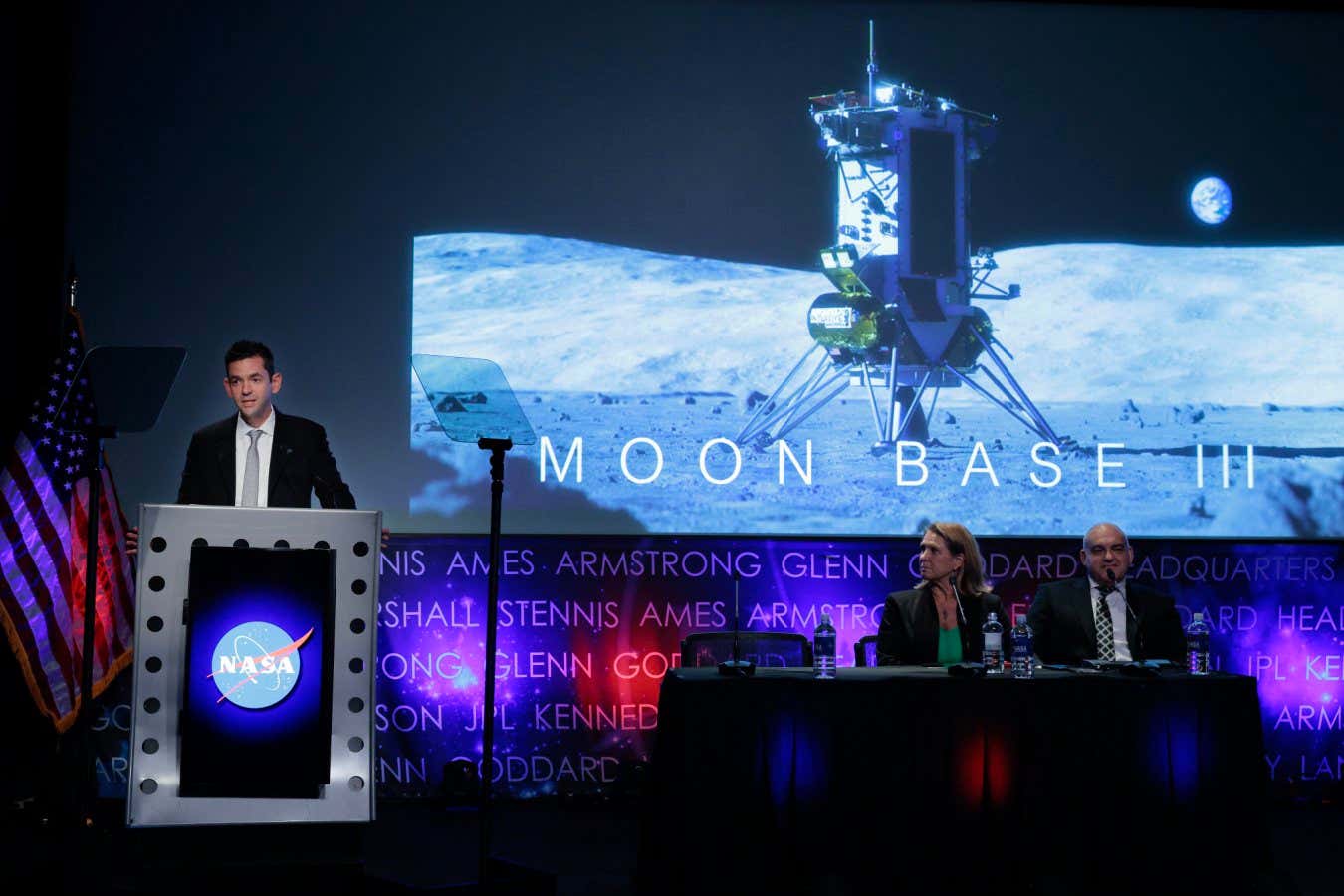
NASA reveals plans for permanent lunar base spanning hundreds of square kilometres
NASA has revealed plans to build a permanent lunar base spanning hundreds of square kilometres as part of its Artemis programme. The initial
 newscientist.com·16h ago
Voyager 1 to reach one light-day from Earth by November 2026
Voyager 1, the farthest human-made object in existence since 1998, is approaching a major milestone: on or around November 13, 2026, it will
 skyatnightmagazine.com·17h ago
Parker Solar Probe flies through Sun's corona at 430,000 mph with revolutionary heat shield technology
NASA's Parker Solar Probe is successfully flying through the Sun's outer atmosphere (corona) at 430,000 mph, protected by a 4.5-inch carbon
 spacedaily.com·1d ago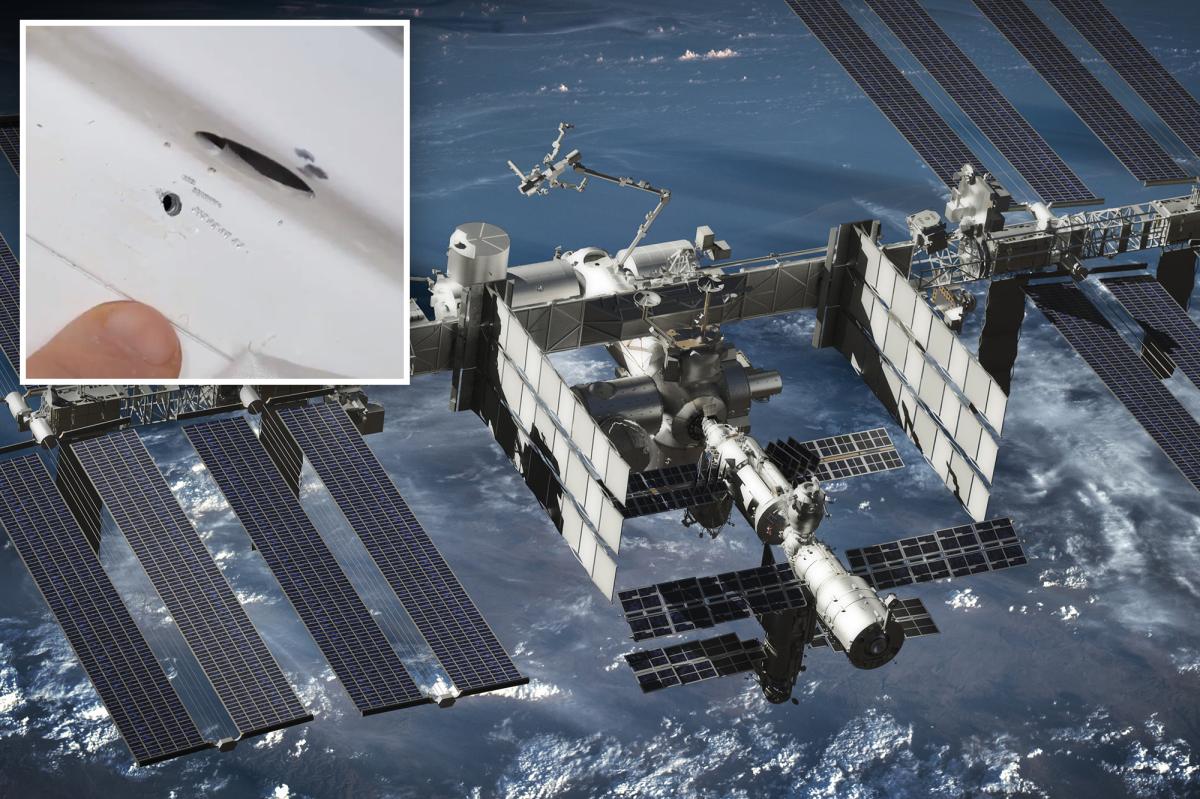
ISS reports new air leak in Russian module, ongoing problem since 2019
The International Space Station is experiencing another air leak in the PrK module, a narrow transfer tunnel on the Russian segment. This is
 nypost.com·1d ago