
























Multimodal Unlearning Across Vision, Language, Video, and Audio: Survey of Methods, Datasets, and Benchmarks
arXiv:2607.07907v1 Announce Type: cross Abstract: With the growing adoption of VLMs, DMs, LLMs, and AFMs, these multimodal foundation models can inadvertently encode sensitive, copyrighted, biased…
Read the full articleYou might also wanna read


MJEPA: A Unified Single-Encoder Architecture for Self-Supervised Audio-Visual Learning
Self-supervised learning from large-scale video data has emerged as a dominant paradigm for visual representation learning. Since audio and
 arxiv.org·14d ago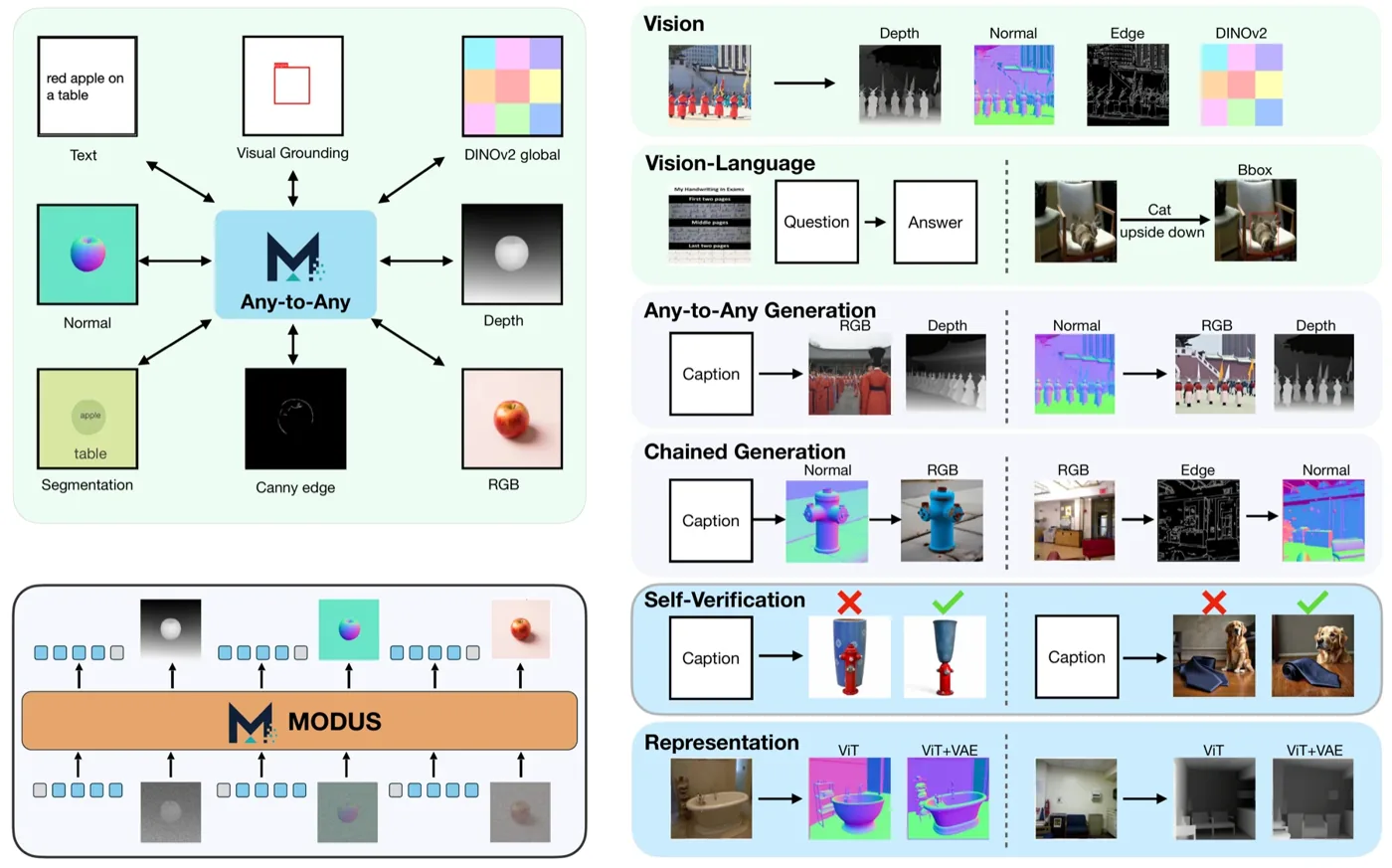
MODUS: A Unified Decoder-Only Model for Any-to-Any Multimodal Generation
MODUS unifies any-to-any multimodal generation in a single decoder-only model.

Study Finds Multimodal Training Provides Selective, Not Global, Benefits for Human-Like Language Processing
Large language models (LLMs) have become increasingly useful computational models of human language processing, but it remains unclear wheth
arxiv.org·1mo ago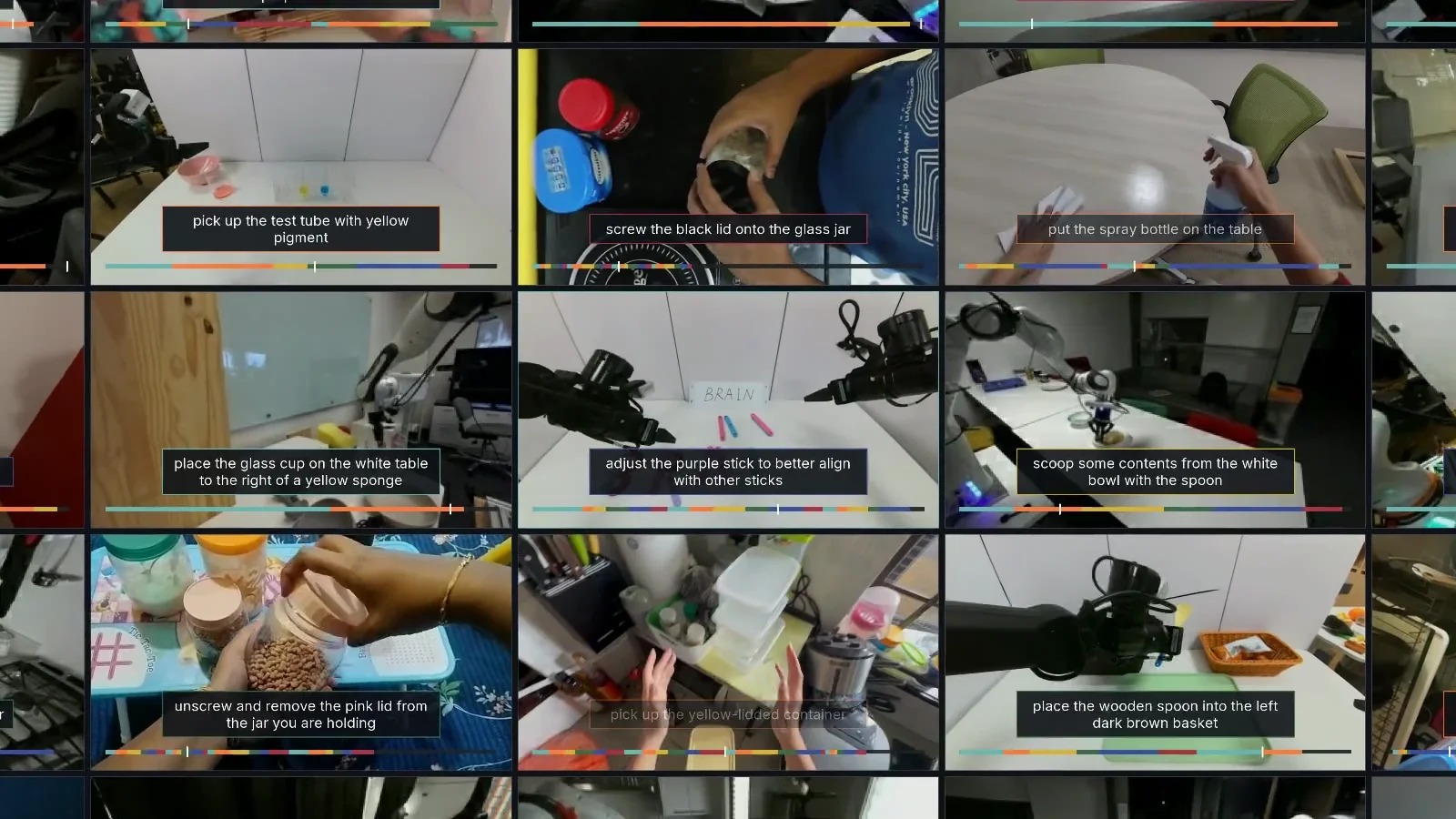
Using Vision-Language Models to Segment Robot Demonstration Videos into Subtask Annotations
A benchmark and field report on using VLMs to turn robot and egocentric video into timestamped subtask annotations.
 macrodata.co·10d ago
DataComp-VLM: A Benchmark Reveals Data Mixing Beats Filtering for Vision-Language Model Training
Building performant Vision-Language Models (VLMs) requires carefully curating large-scale training datasets, yet the community lacks systema
arxiv.org·6d agoDataComp-VLM: A Benchmark Reveals Data Mixing Beats Filtering for Vision-Language Model Training
Building performant Vision-Language Models (VLMs) requires carefully curating large-scale training datasets, yet the community lacks systema
arxiv.org·6d agoFlashAttention-T: Towards Tensorized Attention
Article URL: Comments URL: Points: 9 # Comments: 0
Comments
Sign in to join the conversation.
No comments yet. Be the first.