
























Resistance Training Linked to Lower Type 2 Diabetes Risk, New Study Finds
By
Author Dr. Joel Kahn
Summary
This article discusses a prospective cohort study examining the association between long-term resistance training (strength training) and the risk of developing type 2 diabetes (T2D). The study, conducted among US adult health care professionals, found that resistance training was associated with substantially lower T2D risk. The article, written from the perspective of Dr. Joel Kahn's integrative cardiology practice, emphasizes that type 2 diabetes can be avoided and even reversed through diet and fitness, with this new research specifically highlighting the benefits of resistance training patterns including volume, consistency, and integration with other lifestyle behaviors.
Source

 Twitter / XResistance Training Linked to Lower Type 2 Diabetes Risk, New Study Findskahnlongevitycenter.com
Key quotes
· 3 pulledAt the KAHN CENTER, we have long taught that it is possible to avoid and even reverse type 2 diabetes mellitus (T2D) with diet and fitness.
A new study looking at resistance training sheds light on the long-term patterns of resistance training, including volume, consistency, and integration with other lifestyle behaviors, on T2D.
In this prospective cohort study, resistance training among US adult health care professionals was associated with substantially lower T2D risk.
You might also wanna read


Study of 4 Million Adults Links Cannabis Use to Quadrupled Type 2 Diabetes Risk
A large-scale study analyzing data from over 4 million adults found that cannabis use is associated with an almost quadrupled risk of develo
 medicalxpress.com·9mo ago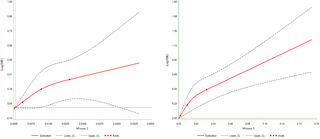
Study links common food additive mixtures to increased type 2 diabetes risk in French cohort
This prospective cohort study using NutriNet-Santé data investigates the association between five commonly consumed food additive mixtures a
 plos.io·23d ago
Study Finds Resistance Training Load Does Not Determine Muscle Hypertrophy in Healthy Young Males
This scientific research article examines whether resistance training load determines muscle hypertrophy across different limbs in healthy y
 physoc.onlinelibrary.wiley.com·6mo ago
Study: Daily Diet Soda Consumption Raises Type 2 Diabetes Risk by 38%
A 14-year study led by Monash University found that consuming one artificially sweetened drink daily increases the risk of type 2 diabetes b
 newatlas.com·11mo ago
Systematic Review: Effects of Intermittent Fasting on Weight and Cardiometabolic Risk Factors
The systematic review and network meta-analysis evaluates the effects of intermittent fasting diets (alternate day fasting, time-restricted
 bmj.com·11mo ago
Study: GLP-1 Weight Loss Drugs Linked to Decline in Daily Physical Activity
A new study analyzing NIH All of Us Research Program data, including Fitbit activity records and electronic health records, reveals that adu
 neurosciencenews.com·21d ago
Comments
Sign in to join the conversation.
No comments yet. Be the first.