
























Modelling approaches for detecting and preventing thermal runaway risk in lithium-ion battery energy storage systems
This article examines modelling approaches, safety standards (particularly NFPA 855), and analytics used to detect and prevent thermal runaway risk in lithium-ion Battery Energy Storage Systems (BESS). It covers how battery modelling can complement physical testing and hazard mitigation analysis (HMA) to ensure installations meet safety requirements, limit fire propagation, mitigate explosion hazards, and manage flammable and toxic gas risks.
Key quotes
While not explicitly required, battery modelling can be used alongside physical testing and hazard mitigation analysis (HMA) to prove that the installation will meet safety requirements.
HMA is required for the standard to limit fire propagation, mitigate explosion hazards, and ensure flammable and toxic gases do not pose a threat
From the article
Liam Critchley examines the modelling, safety standards and analytics that aim to mitigate the risk of thermal runaway in lithium-ion BESS.
Continue reading on energy-storage.newsYou might also wanna read


Industry Leaders Are Coming Together to Address Lithium-Ion Battery Fires, And That’s a Positive Step for Public Safety
The National Law Review·13h ago
Draft GERC (Grid Interactive Battery Energy Storage System) Regulations, 2026 – EQ
Solar Quarter·15h ago

Counterfeit Lithium-Ion Batteries Pose Safety Risks in Consumer Devices
The article examines the growing problem of counterfeit lithium-ion batteries infiltrating the market, particularly in consumer devices like
 spectrum.ieee.org·7mo ago
First Year in Operation: Performance Lessons From a 100-MW/400-MWh CAISO Battery
POWER Magazine·2d ago
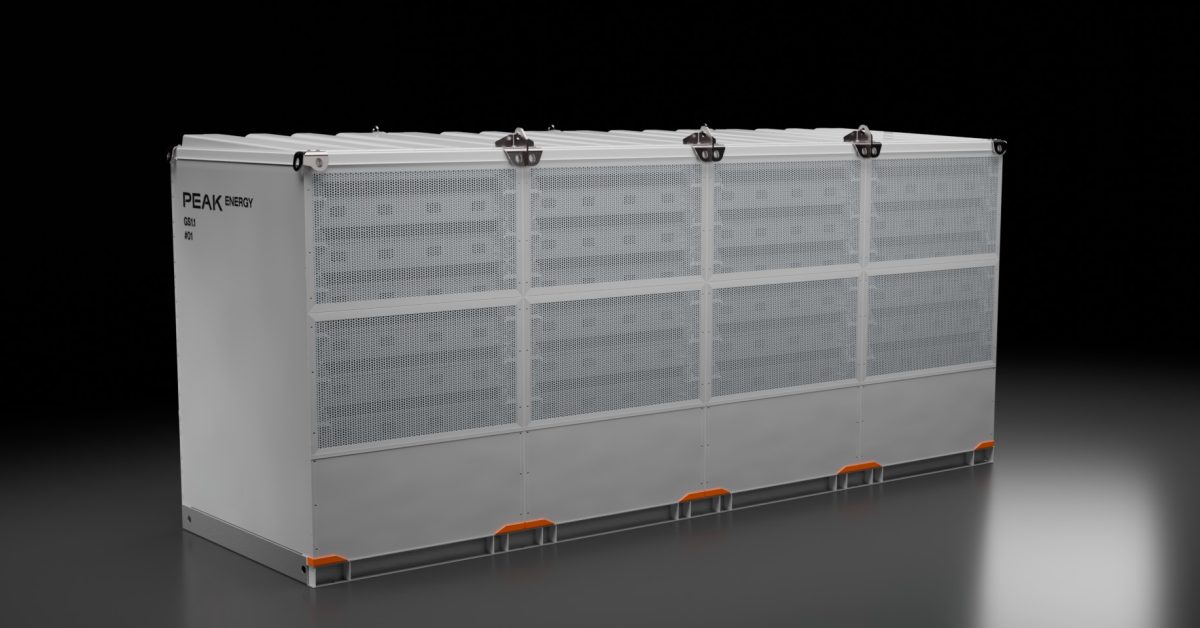
Peak Energy Launches US's First Grid-Scale Sodium-Ion Battery with Passive Cooling
Peak Energy has shipped the US's first grid-scale sodium-ion battery energy storage system, marking a significant milestone in battery techn
 electrek.co·11mo ago
Flow batteries for grid-scale energy storage
podcasters.spotify.com·3y ago
Comments
Sign in to join the conversation.
No comments yet. Be the first.