
























Missile Defense as an NP-Complete Optimization Problem: The Weapon-Target Assignment Challenge
Exploring the Weapon-Target Assignment problem: how missile defense connects to NP-completeness, SSPK probability calculations, and how saturation attacks exploit computational limits.
Read the full articleYou might also wanna read


Quantum Divide-and-Conquer TSP Solver Achieves Improved Exponential Base Over Classical Held-Karp Algorithm
The traveling salesman problem (TSP) is a significant classical NP-hard combinatorial optimization problem. In this work, we demonstrate tha
 arxiv.org·1mo ago
Collaborative Strategy Learning Based Transmit Resource Management Scheme for Multiple Target Tracking in Multi-Cooperative Jamming Environment
This paper proposes a collaborative strategy learning based transmit resource management (CSLTRM) scheme for radar systems in a multi-cooper
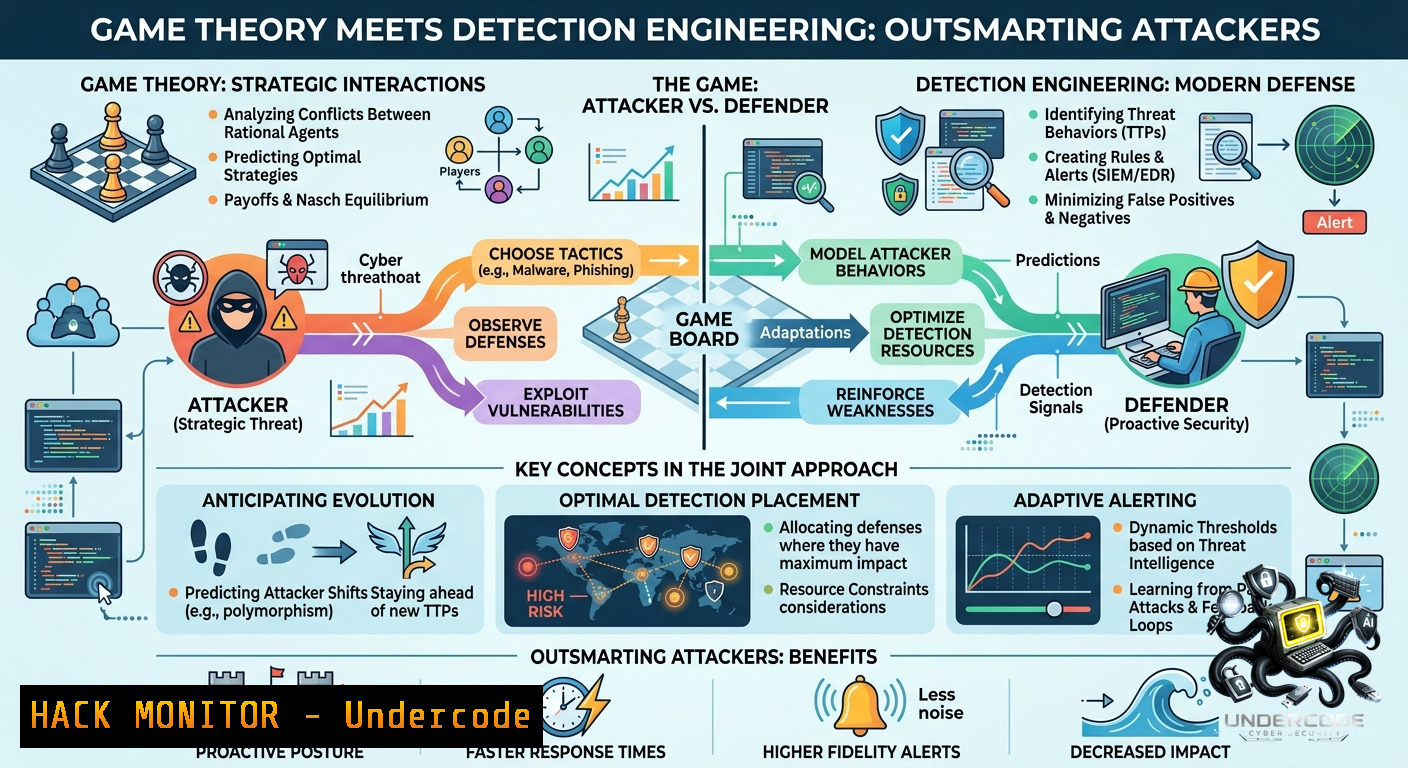
Applying Game Theory to Detection Engineering for Proactive Threat Hunting
Game Theory Meets Detection Engineering: How to Outsmart Attackers Before They Strike + Video - "Undercode Testing": Monitor hackers like a
 undercodetesting.com·1mo ago
"Sub-Second Detect- To-Fire": Futuristic Dome Turret Could Be US Military's Answer To Drone Swarms
"Sub-Second Detect- To-Fire": Futuristic Dome Turret Could Be US Military's Answer To Drone Swarms Picket Defense Systems is developing a ne

Chinese research team develops HG-STR algorithm for autonomous drone swarm targeting
Smart web identifies objects as friend, foe or terrain, meaning drone swarms can hunt even when communication is jammed and vision blocked.
 scmp.com·1mo ago
AI Targeting in Iran: Who Pulls the Trigger?
Software-driven targeting is now calling the shots on the battlefield. Does this surge of algorithms signal a dangerous loss of human contro
Comments
Sign in to join the conversation.
No comments yet. Be the first.