
























MINDS. Anatomy of a Water-Rich, Inclined, Brown Dwarf Disk: Lack of Abundant Hydrocarbons
Giulia Perotti et al 2026 ApJ 997 281 JWST observations of a highly inclined disk around a young brown dwarf reveal the disk to be similar to those around hotter, more massive stars; the observations…
Read the full articleYou might also wanna read

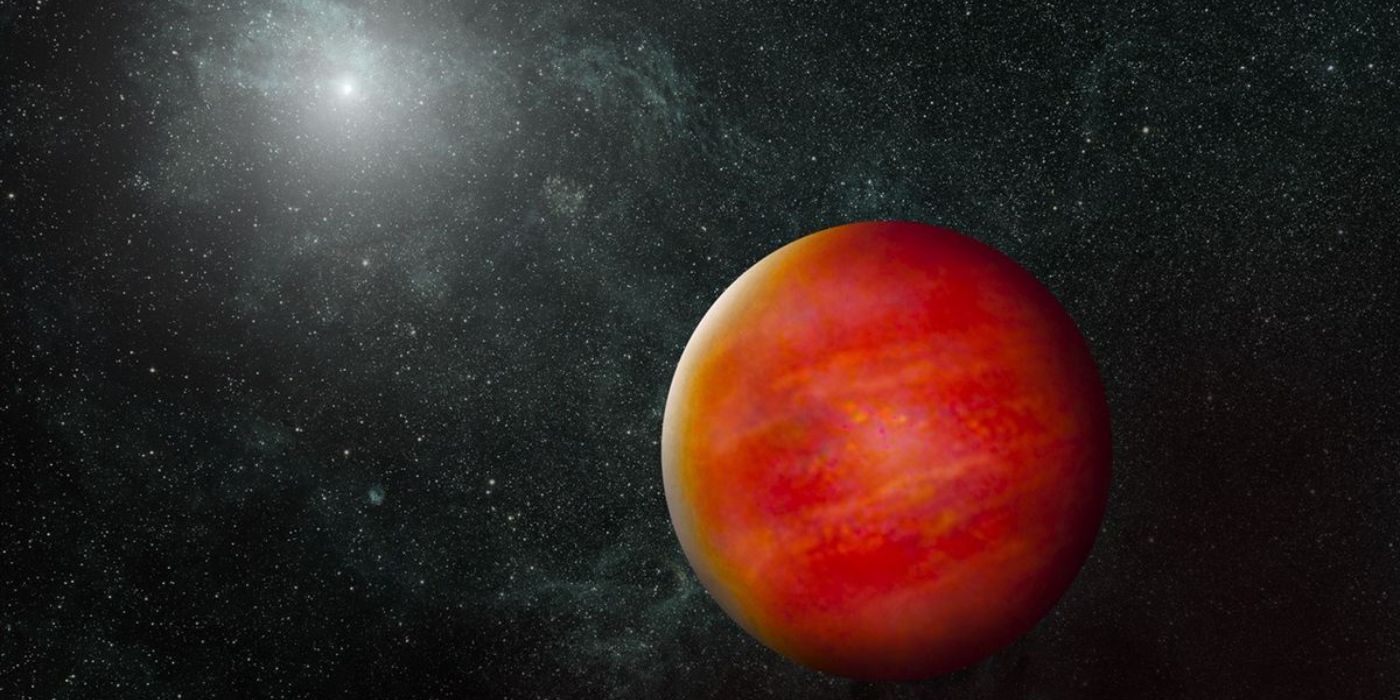
Brown Dwarfs: The Celestial Objects That Are Neither Stars Nor Planets
Astronomers have long struggled to map the objects that occupy the dim, ambiguous boundary between the lowest-mass stars and the largest gas
 seti.org·20d ago
Aerosols and hydrocarbons in the atmosphere of a white dwarf planet
Nature, Published online: 01 July 2026; doi:10.1038/s41586-026-10514-7 Transmission spectroscopy of the planet WD 1856 b, orbiting a white d
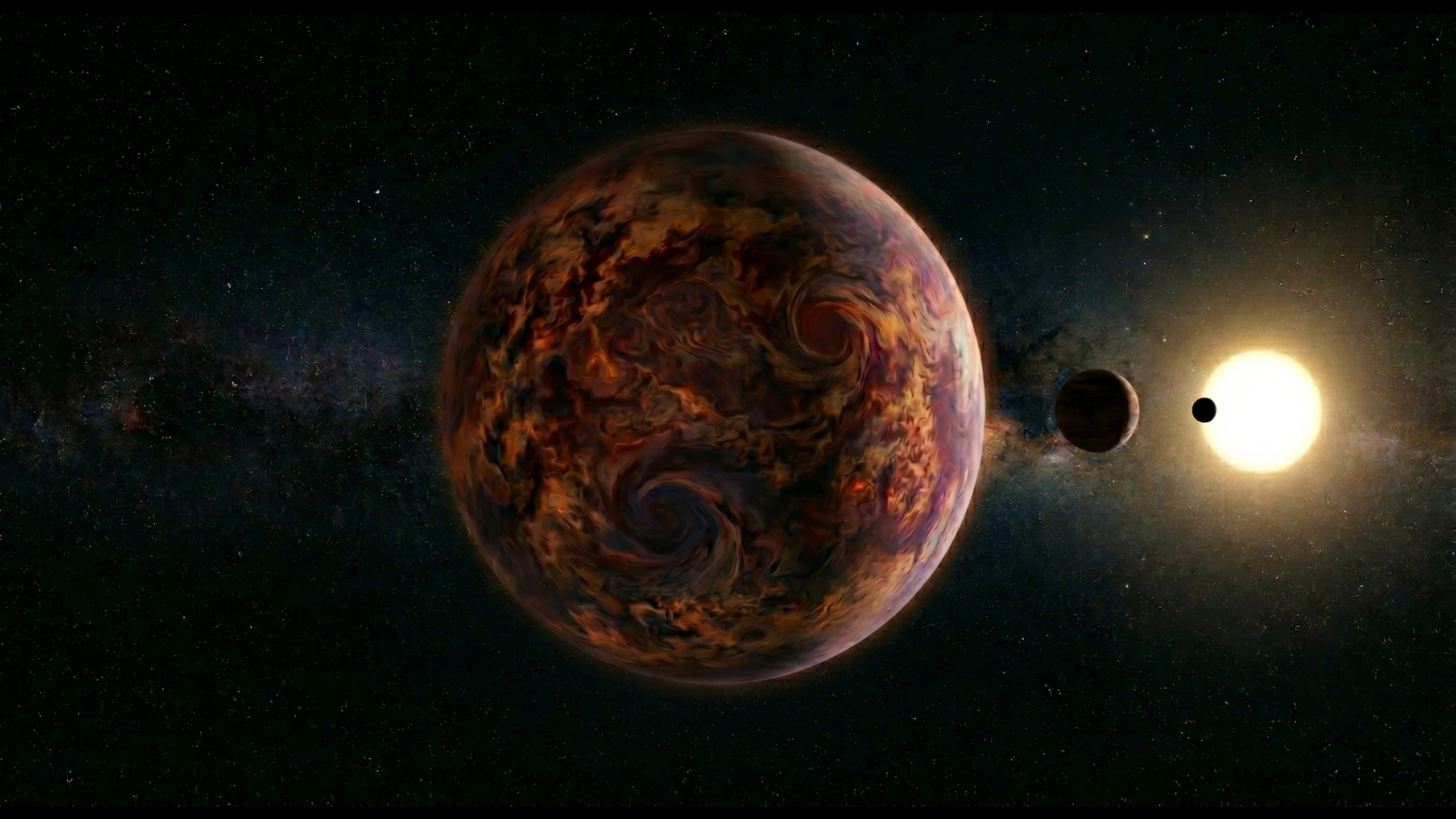
NASA's TESS discovers unusual exoplanet system shaped by a brown dwarf
"This discovery provides a crucial insight into how planets form even around massive, eccentric objects."
 space.com·16d ago
NASA's TESS discovers unusual exoplanet system shaped by a brown dwarf
"This discovery provides a crucial insight into how planets form even around massive, eccentric objects."
space.com·16d ago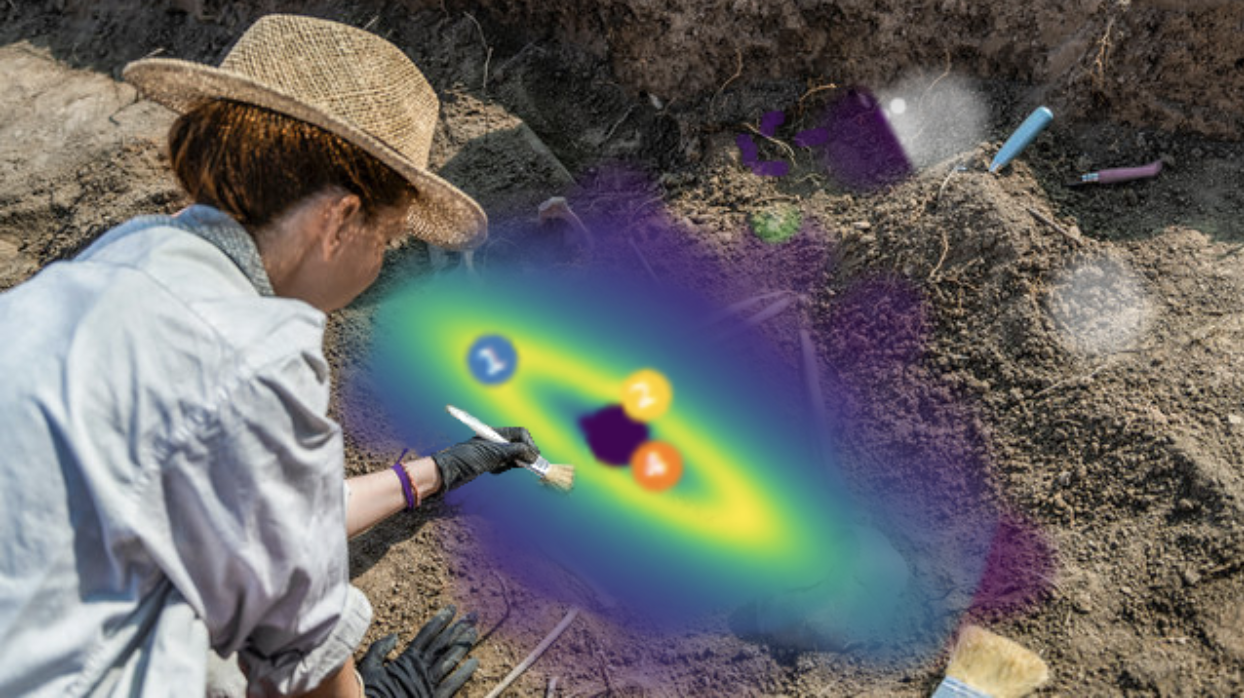
New imaging technique combines reference-star and angular differential imaging to reveal faint exoplanets and debris disks
What do astronomers and archaeologists have in common? Today's guest author discusses how faint exoplanet signals are extracted from their n
 astrobites.org·16d ago
NASA research suggests Titan's hydrocarbon lakes could naturally form primitive cell-like structures
Saturn’s moon Titan may be more alive with possibilities than we thought. New NASA research suggests that in Titan’s freezing methane and et
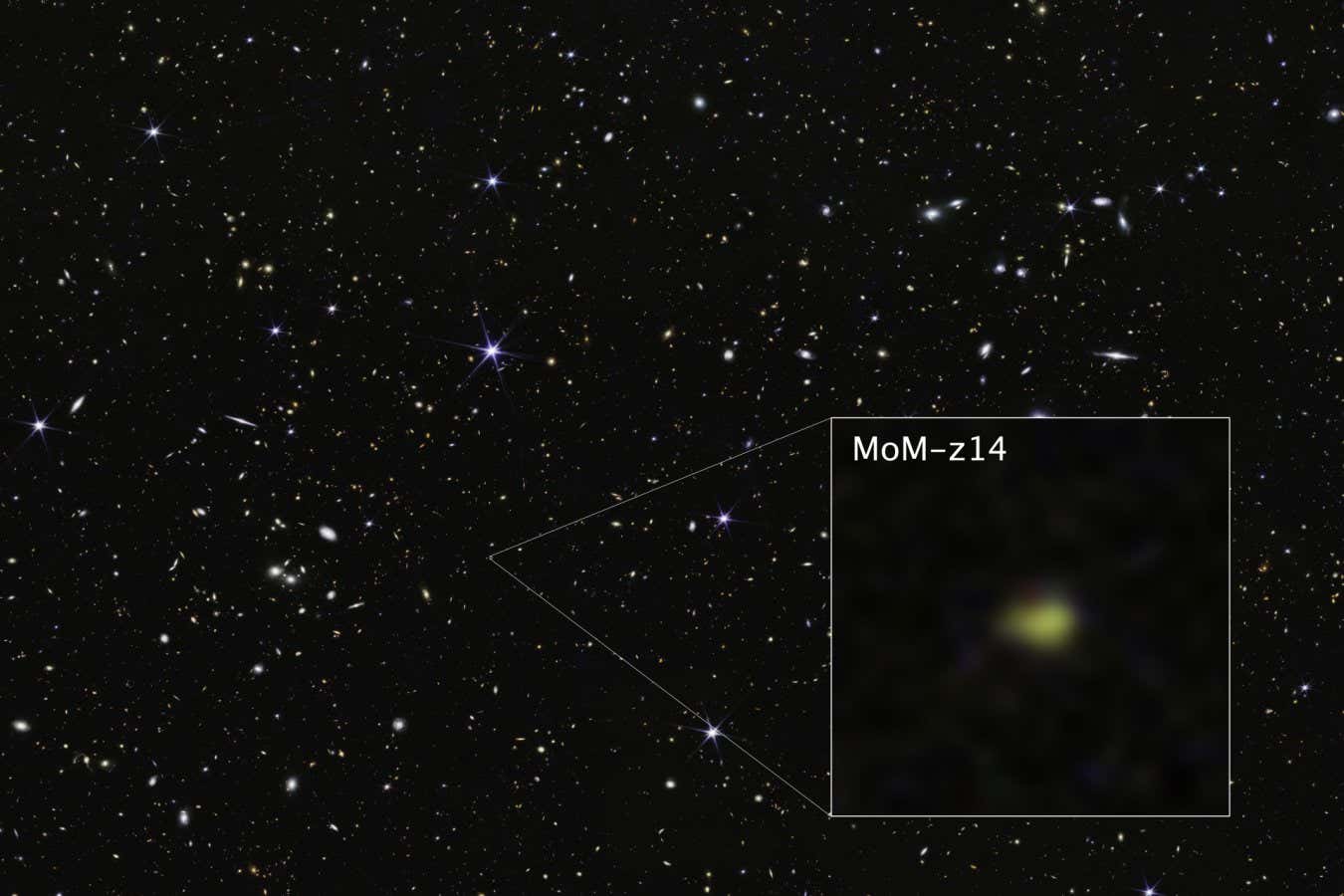
How the James Webb Space Telescope is helping solve the cosmic mix-up between brown dwarfs and distant galaxies
Brown dwarfs are somewhere between the size of a planet and a star, so how could we have potentially mistaken two of them for distant galaxi
 newscientist.com·1mo ago
Comments
Sign in to join the conversation.
No comments yet. Be the first.