
























Migrating from Moment.js to JavaScript's New Temporal API: A Practical Guide
The way JavaScript handles time has evolved significantly, from the built-in `Date` API to Moment.js and now Temporal. The new standard fills gaps in the original `Date` API while addressing…
Read the full articleYou might also wanna read


JavaScript's New Temporal API: A Modern Replacement for the Date Object
Temporal is the Date system we always wanted in JavaScript. It's extremely close to being available so Mat Marquis thought it would be a goo
 piccalil.li·6mo ago
The 9-Year Development of Temporal: JavaScript's Modern Date and Time Standard
JavaScript's Date object has been a source of bugs for three decades. Temporal, which just reached Stage 4, is a modern replacement with imm
The moment.js ultimate lightweight alternative: date-fns
JavaScript Date is no fun! It's OK for the basics, but once you want to do more complex manipulations, oh boy...
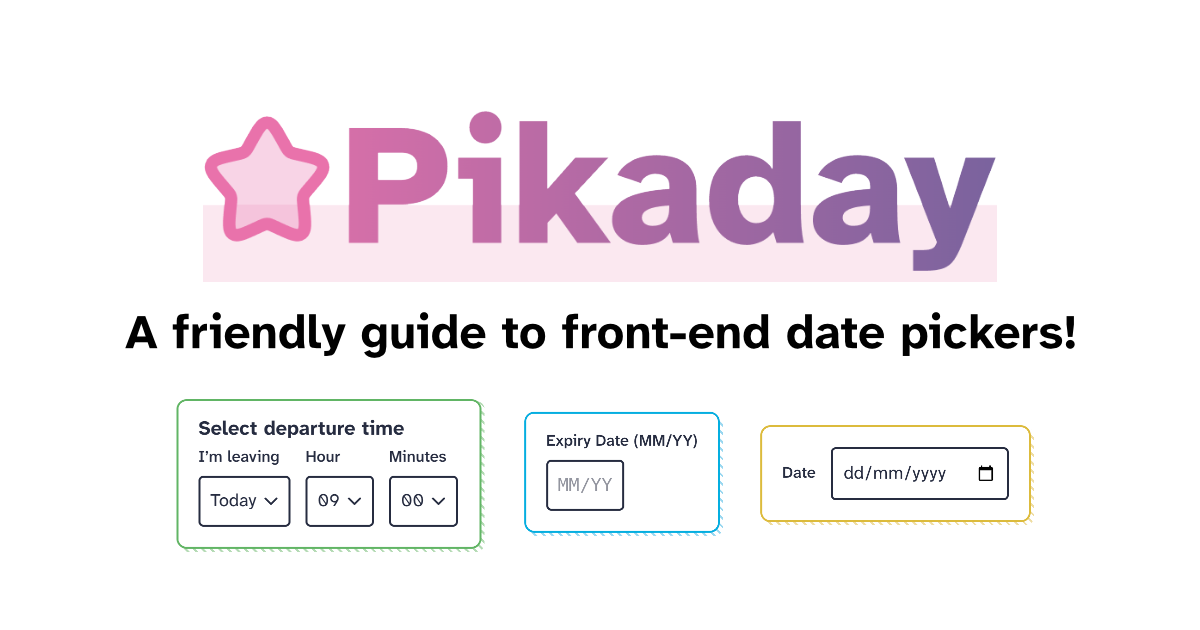
A Guide to User-Friendly Date Selection: Alternatives to JavaScript Date Pickers
A friendly guide to front-end date pickers!
 pikaday.dbushell.com·8mo ago
)
Node.js 26.0.0 Released with Temporal API, V8 14.6, and Undici 8.0
Node.js® is a free, open-source, cross-platform JavaScript runtime environment that lets developers create servers, web apps, command line t
 nodejs.org·1mo ago
Node.js 26.0.0 Released with Temporal API, V8 14.6, and Undici 8.0
Node.js® is a free, open-source, cross-platform JavaScript runtime environment that lets developers create servers, web apps, command line t
nodejs.org·1mo ago
Reimagining the Web Streams API: A Proposal for Modern JavaScript Streaming
The Web streams API has become ubiquitous in JavaScript runtimes but was designed for a different era. Here's what a modern streaming API co
 blog.cloudflare.com·4mo ago
Comments
Sign in to join the conversation.
No comments yet. Be the first.