





















Profile of Esra Bulbul: X-ray Cosmologist and AAS 248 Plenary Speaker Studying Galaxy Clusters
By
Sowkhya Shanbhog

A baker's-dozen of insight crammed into one ring.
Summary
This article profiles Dr. Esra Bulbul, a plenary speaker at the 248th AAS meeting. Dr. Bulbul is a group leader at the Max Planck Institute for Extraterrestrial Physics who uses X-ray observations of galaxy clusters to study dark matter, dark energy, and cosmic structure growth. She is also the lead scientist for cluster science and cosmology within the eROSITA collaboration and a 2025 HEAD Mid-Career Prize winner.
Key quotes
· 3 pulledEsra Bulbul has built her career studying some of the largest structures in the Universe.
A group leader at the Max Planck Institute for Extraterrestrial Physics, she uses X-ray observations of galaxy clusters to probe the nature of dark matter, dark energy, and the growth of cosmic structure.
She is the lead scientist for cluster science and cosmology within the eROSITA collaboration.
You might also wanna read

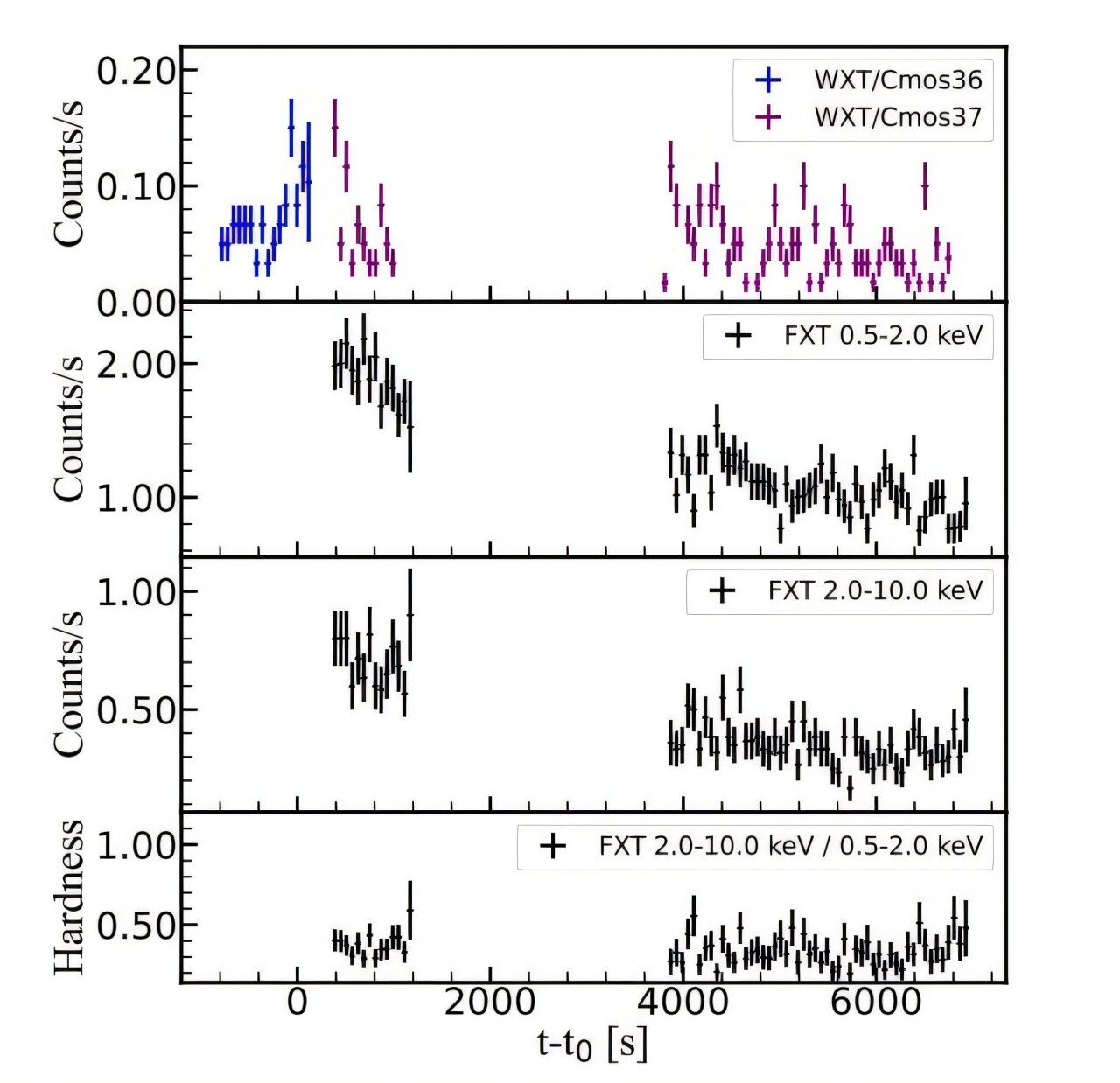
Einstein Probe Detects X-ray Flare from Nearby Star 150 Light Years Away
Astronomers using the Einstein Probe (EP) have detected a new X-ray transient event identified as an X-ray flare from the star PM J23221-030
 phys.org·5mo ago
Using Blender's Geometry Nodes for Cosmology Research Visualization
A Ph.D student in Physics/Cosmology shares how they use Blender's Geometry Nodes (GeoNodes) for scientific visualization in cosmology resear
 blender.org·1mo ago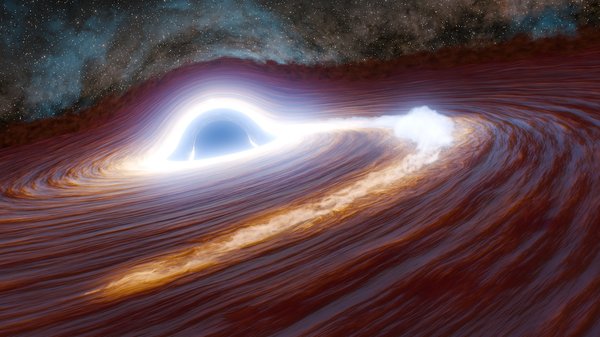
Astronomers Discover Most Distant and Powerful Black Hole Flare from Star Destruction
Astronomers have discovered the most powerful and distant flare of energy ever recorded from a supermassive black hole, likely caused by a m
 caltech.edu·7mo ago
3I/ATLAS shows perihelion burst and radial-only non-gravitational acceleration
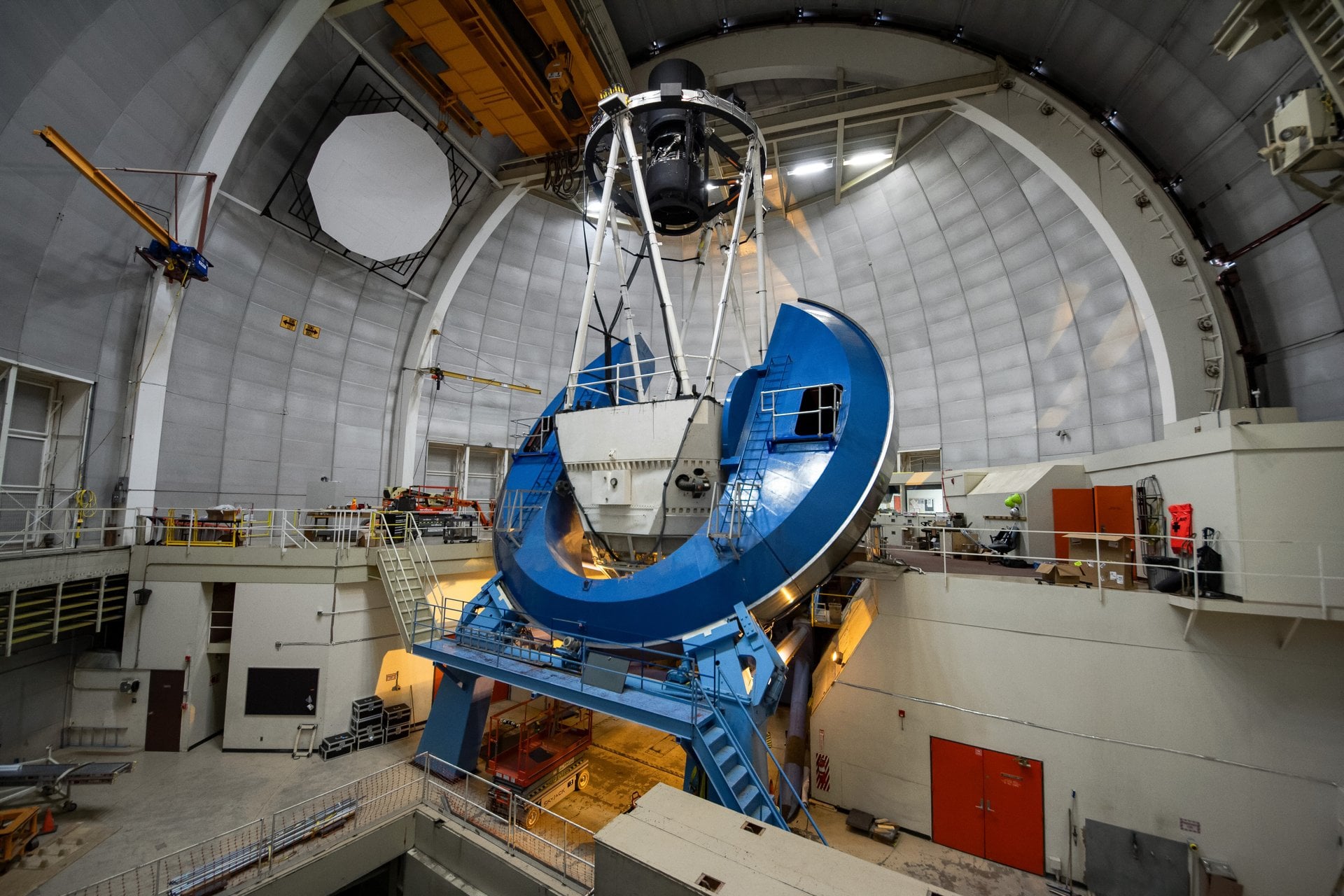
DESI Collaboration Finds Evidence Dark Energy May Be Weakening Over Time
The article discusses the March 2024 DESI (Dark Energy Spectroscopic Instrument) collaboration results that provided slim but significant ev
 universetoday.com·6mo ago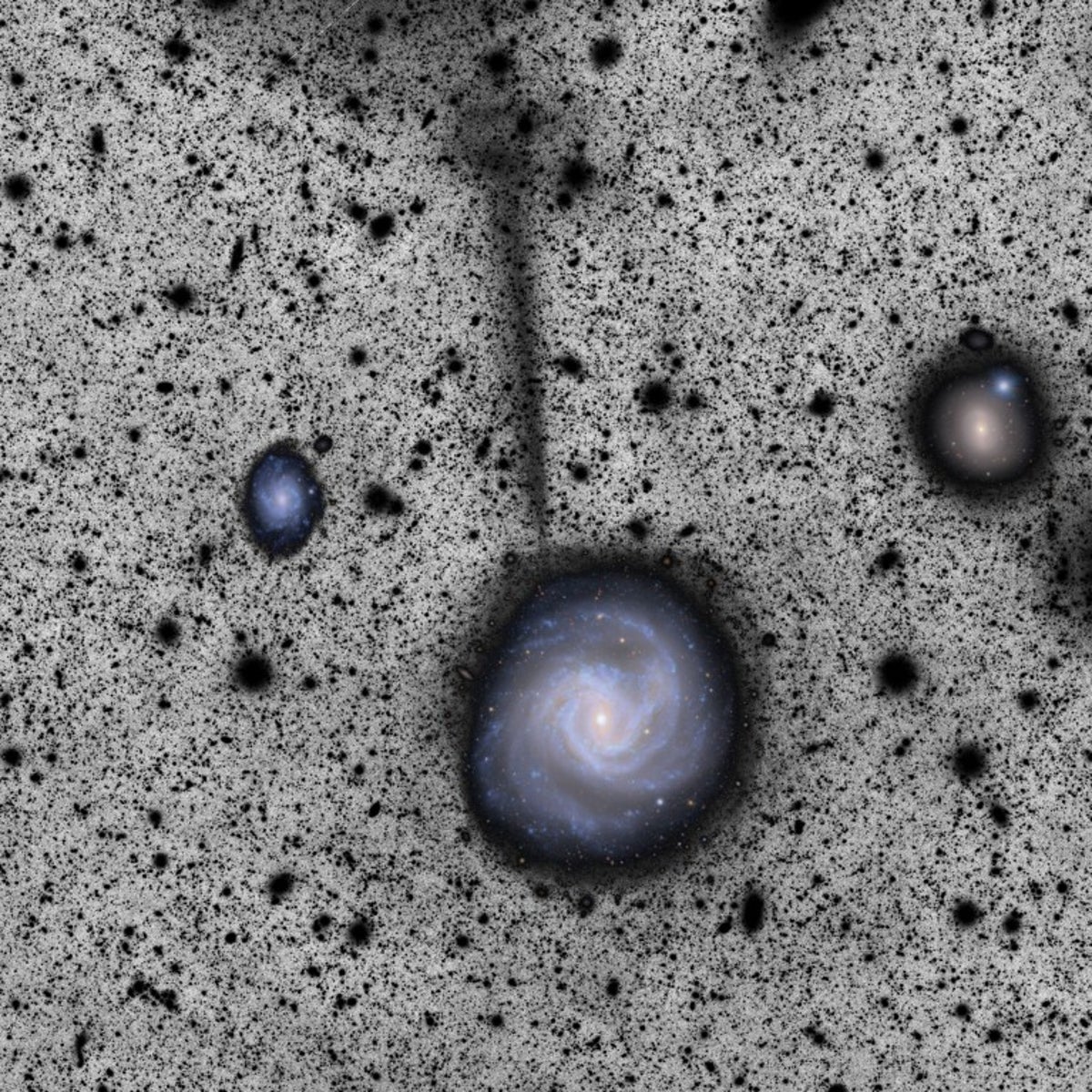
Vera C. Rubin Observatory Discovers Stellar Stream on Galaxy M61
The Vera C. Rubin Observatory's first image has revealed a previously unnoticed stellar stream or 'tail' on the galaxy M61, which may explai
 scientificamerican.com·7mo ago