
























DESI Collaboration Finds Evidence Dark Energy May Be Weakening Over Time
In March of 2024 the [DESI collaboration]( dropped a bombshell on the cosmological community: slim but significant evidence that dark energy might be getting weaker with time.
Read the full articleYou might also wanna read


We tend to think dark energy has always pushed the universe outward at the same steady rate, but a 2025 survey of 13.1 million galaxies found it appears to have been stronger for the first nine billion years, then began weakening around 4.5 billion years
The simplest picture treats dark energy as a constant. DESI's 2025 galaxy survey, combined with other data, hints instead that it was strong
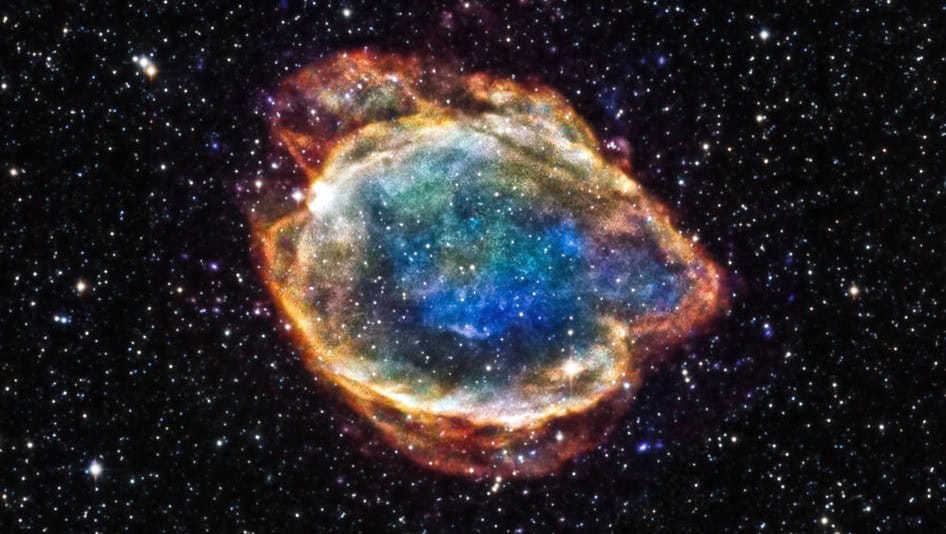
Astronomers reaffirm dark energy consistency after reanalysis of supernovae data
New study confirms accelerating expansion of the universe
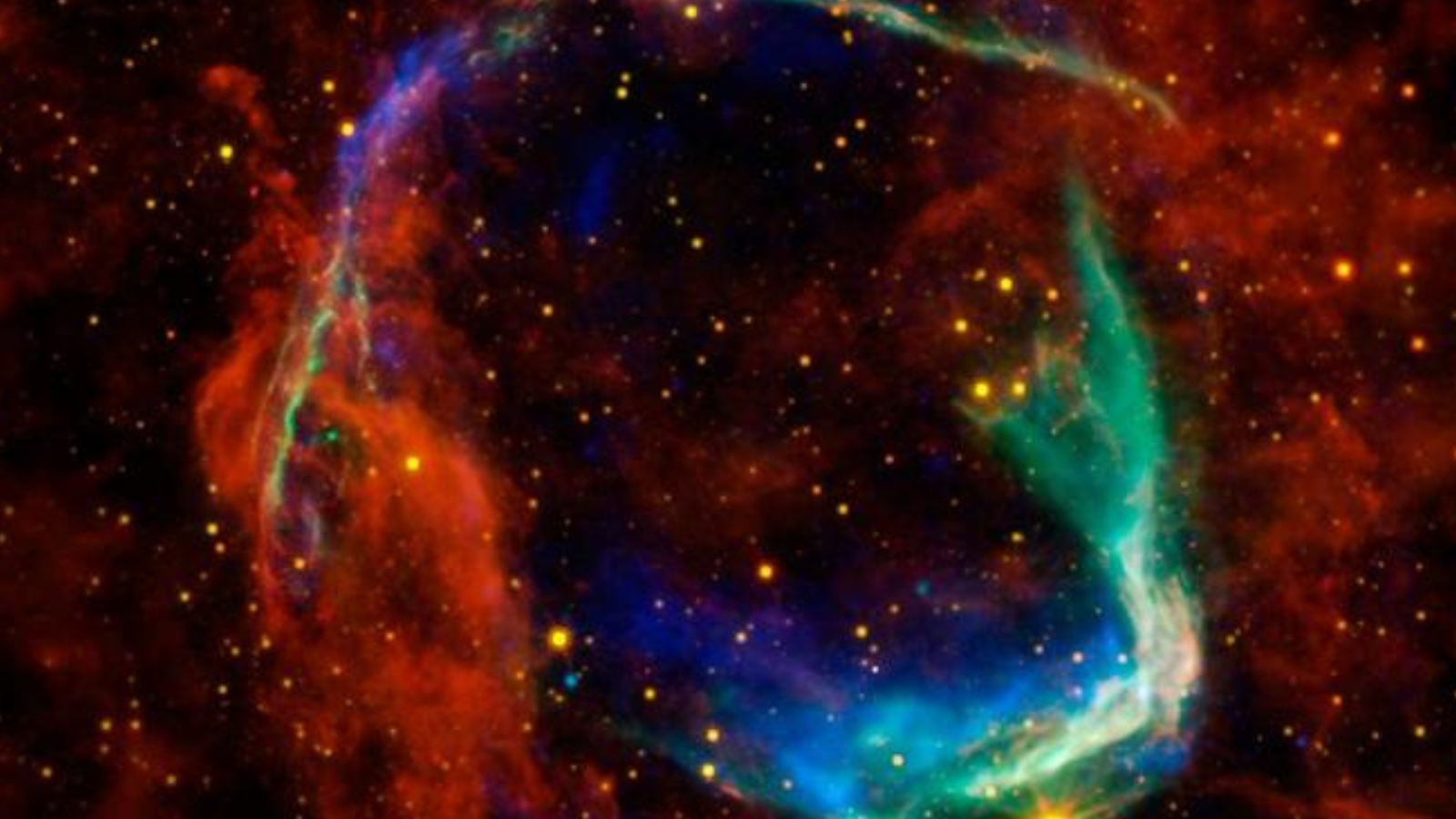
New research confirms dark energy is still accelerating universe's expansion, deepening cosmological mystery
"The mystery about why the rate of expansion of the universe is still accelerating remains."
 space.com·24d ago
New research confirms dark energy is still accelerating universe's expansion, deepening cosmological mystery
"The mystery about why the rate of expansion of the universe is still accelerating remains."
space.com·24d agoRevisiting CPL with sign-switching density: To cross or not to cross ...
Recent DESI DR2 BAO measurements, when combined with CMB and SNeIa data, exhibit a 3.2σ–3.4σ preference for dynamical dark energy described
Dark energy flips its sign, but the Hubble tension refuses to budge
For nearly a century, astronomers have known that the universe is expanding. In the late 1990s, two independent teams, the Supernova Cosmolo
Dark energy flips its sign, but the Hubble tension refuses to budge
For nearly a century, astronomers have known that the universe is expanding. In the late 1990s, two independent teams, the Supernova Cosmolo
Comments
Sign in to join the conversation.
No comments yet. Be the first.