
























Microplastics pervade every layer of the ocean, demanding standardized tracking methods
By
Shiye Zhao, Luisa Galgani, Karin Kvale
Summary
This article examines the pervasive issue of microplastic pollution across all ocean layers, not just the surface. It discusses the scale of plastic waste (6.3 billion metric tons discarded by 2015, with only 9% recycled), the fragmentation of plastics into micro- and nanoplastics, and the urgent need for standardized scientific methods to track these particles throughout the water column. The piece highlights the environmental and health hazards posed by microplastics and calls for consistent monitoring approaches to better understand their distribution and impact.
Source
 bskyMicroplastics pervade every layer of the ocean, demanding standardized tracking methodseos.org
Key quotes
· 3 pulledAfter humanity has produced more than 9 billion metric tons of plastic, more than double the dry weight of all terrestrial and marine animals, the relationship between plastics and conservation has become far more fraught.
As of 2015, 6.3 billion metric tons of plastic had been discarded as waste [Geyer et al., 2017]. Only about 9% of this waste was recycled—with most of that recycled material subsequently discarded—while 12% was...
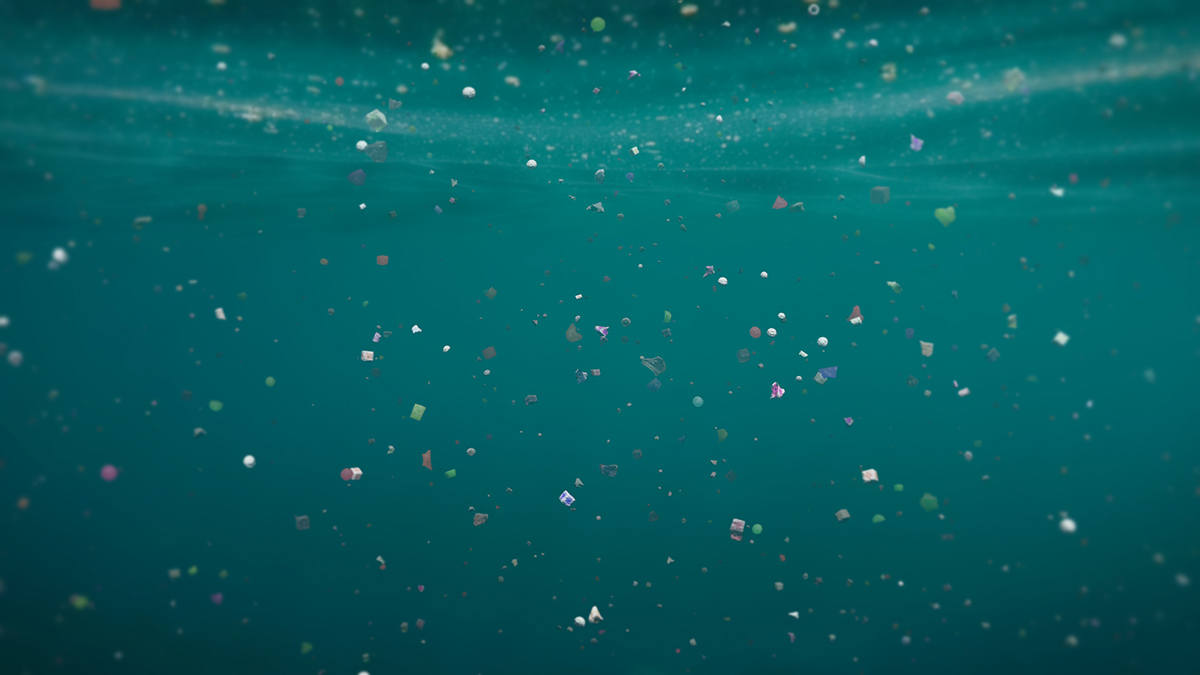
Small bits of plastic don't just float at the sea surface—they span the entire water column. Scientists need consistent methods to track these particles and to better understand the hazards they pose.
You might also wanna read


Global Study Reveals Widespread Distribution of Plastic-Degrading Bacteria in World's Oceans
This scientific research article investigates the global distribution of bacteria containing PET-degrading enzymes (PETases) in ocean enviro
 academic.oup.com·7mo ago
Airborne Microplastics Spread Globally as Invisible Pollutant, Found in Human Bodies and Remote Locations
Airborne microplastics are spreading globally as invisible pollutants, found in skies above Mount Fuji, European rain, Arctic snow, and with
 asahi.com·7mo ago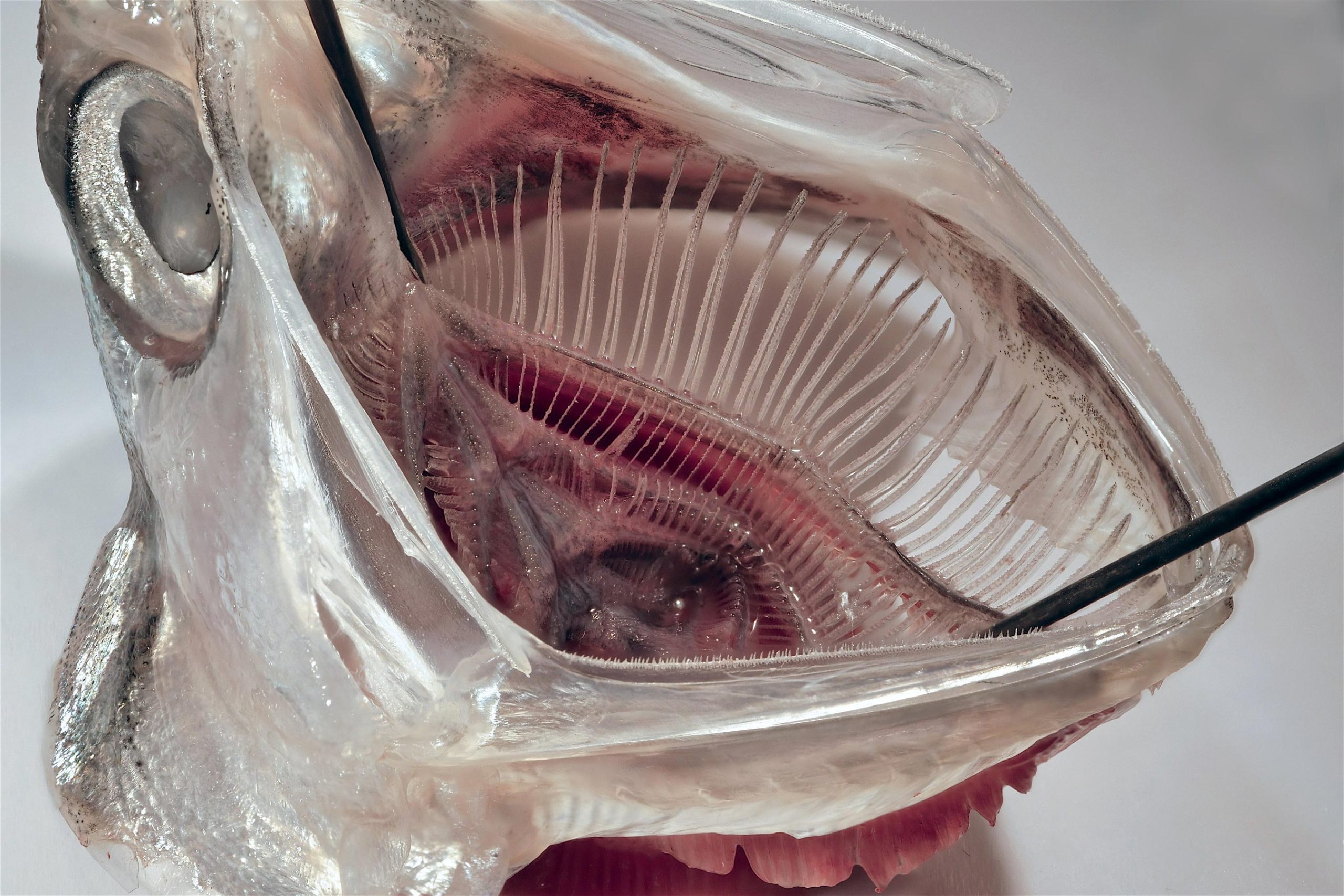
University of Bonn Researchers Develop Fish-Inspired Filter That Removes 99% of Microplastics from Wastewater
Researchers at the University of Bonn have developed a new filter inspired by fish gill arches that can remove over 99% of microplastics fro

The Ocean Cleanup expands LA project: New agreements aim to stop hundreds of tons of plastic from Pacific

How dry glove contact introduces microplastic false positives in environmental sampling
This article discusses the challenge of microplastic contamination in environmental sampling, specifically focusing on false positives intro
 pubs.rsc.org·1mo ago
Comments
Sign in to join the conversation.
No comments yet. Be the first.