

























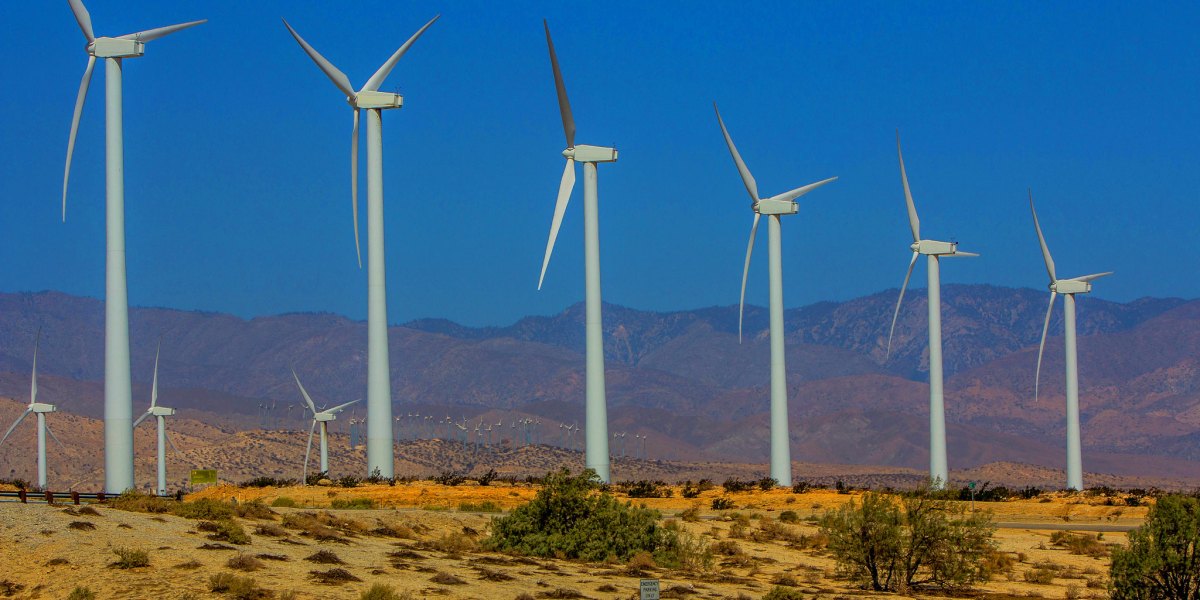
Harvard study: Large-scale US wind power could cause regional warming of 0.24°C
By
James Temple
Summary
A Harvard study published in Joule found that if wind power supplied all US electricity demands, it could warm the continental US by 0.24°C by redistributing heat in the atmosphere. This regional warming effect could temporarily exceed the warming reduction achieved by decarbonization. The paper raises questions about how much nations should rely on wind power as a climate solution, though the researchers note wind power still has overall climate benefits when considered globally and over longer timescales.
Source
 Twitter / XHarvard study: Large-scale US wind power could cause regional warming of 0.24°Ctechnologyreview.com
Key quotes
· 3 pulledThe paper raises serious questions about just how much the United States or other nations should look to wind power to clean up electricity systems.
The study, published in the journal Joule, found that if wind power supplied all US electricity demands, it would warm the surface of the continental United States by 0.24 ˚C.
That could significantly exceed the reduction in US warming achieved by decarbonizing the nation's
You might also wanna read

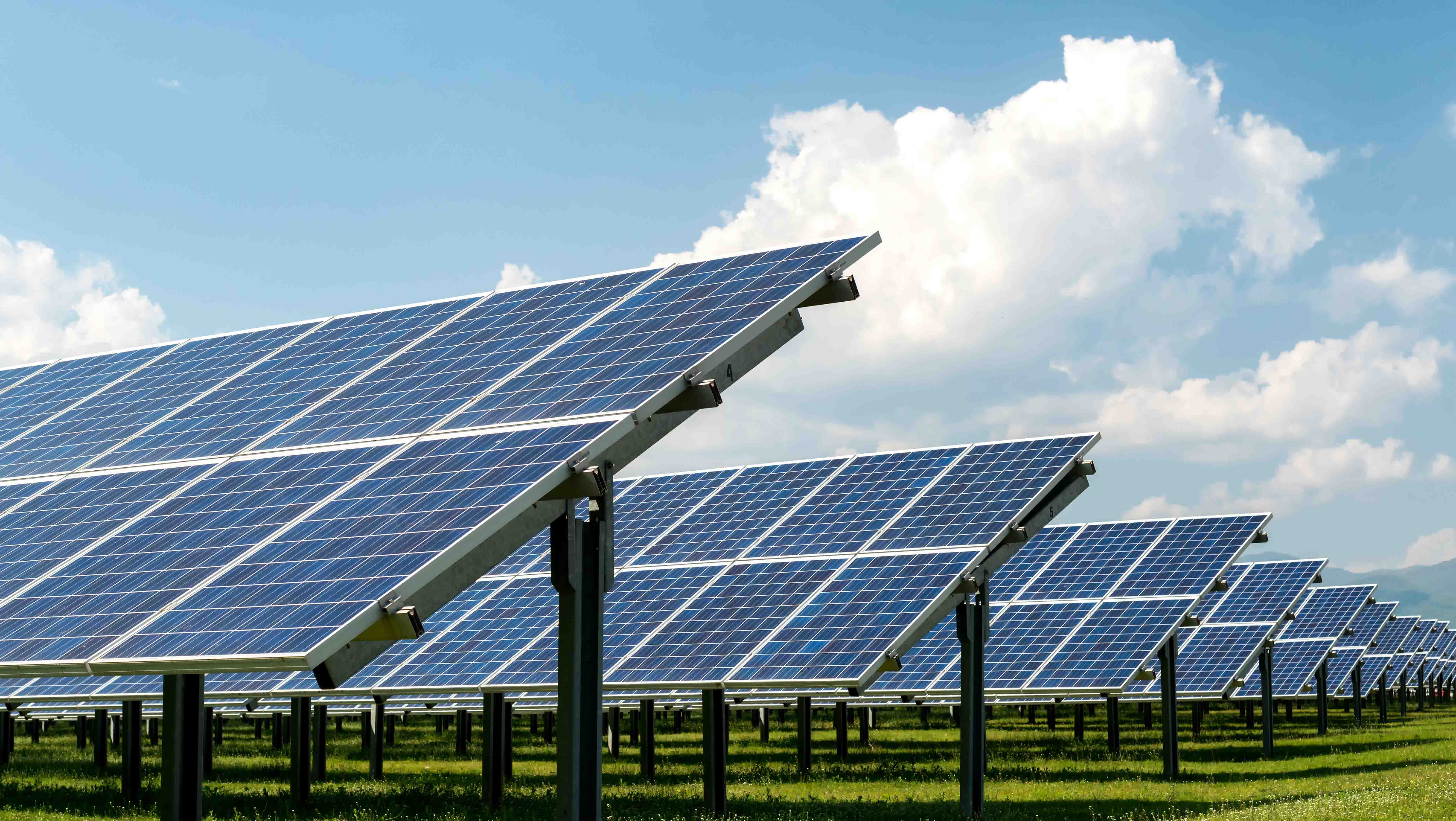
Study Reveals Climate Benefits of Increased Solar Power Generation in the U.S.
Researchers from Rutgers, Harvard T.H. Chan School of Public Health, and Stony Brook University used computational modeling to demonstrate t
 rutgers.edu·10mo ago
Reforestation in Eastern US Provided Cooling Effect During 20th Century Warming
A new study published in Earth's Future reveals that a century of reforestation in the eastern United States likely helped keep the region c
 news.agu.org·7mo ago
Solar geoengineering simulations show uneven ocean cooling, leaving some regions under permanent extreme heat
New simulations of solar geoengineering reveal that cooling the Earth by reducing sunlight would not affect all oceans equally. While some s
 earth.com·16h ago
First field measurements show data center waste heat warms nearby neighborhoods by up to 2.2°C
This study presents the first direct field measurements of air temperature impacts from data center waste heat on surrounding residential ne
 asmedigitalcollection.asme.org·1mo ago
Clean energy growth makes worst-case climate scenario implausible, study finds
A recent study by climate scientists finds that the worst-case climate change scenario, driven by coal-heavy energy use, is no longer plausi
 yaleclimateconnections.org·19d ago
Clean energy growth makes worst-case climate scenario implausible, study finds
A recent study by climate scientists finds that the worst-case climate change scenario, driven by coal-heavy energy use, is no longer plausi
yaleclimateconnections.org·19d ago
Global Climate Action at a Crossroads: Overshooting 1.5°C as US Retreats and Others Push Forward on Clean Energy
The article reflects on the nearly 10 years since the Paris Agreement, noting that the world is virtually certain to overshoot 1.5°C of warm
Comments
Sign in to join the conversation.
No comments yet. Be the first.