
























Material damage to multielectrode arrays after electrolytic lesioning is insignificant
The quality of stable long-term recordings from chronically implanted electrode arrays is essential for experimental neuroscience and brain-computer interfaces. This work uses scanning electron…
Read the full articleYou might also wanna read

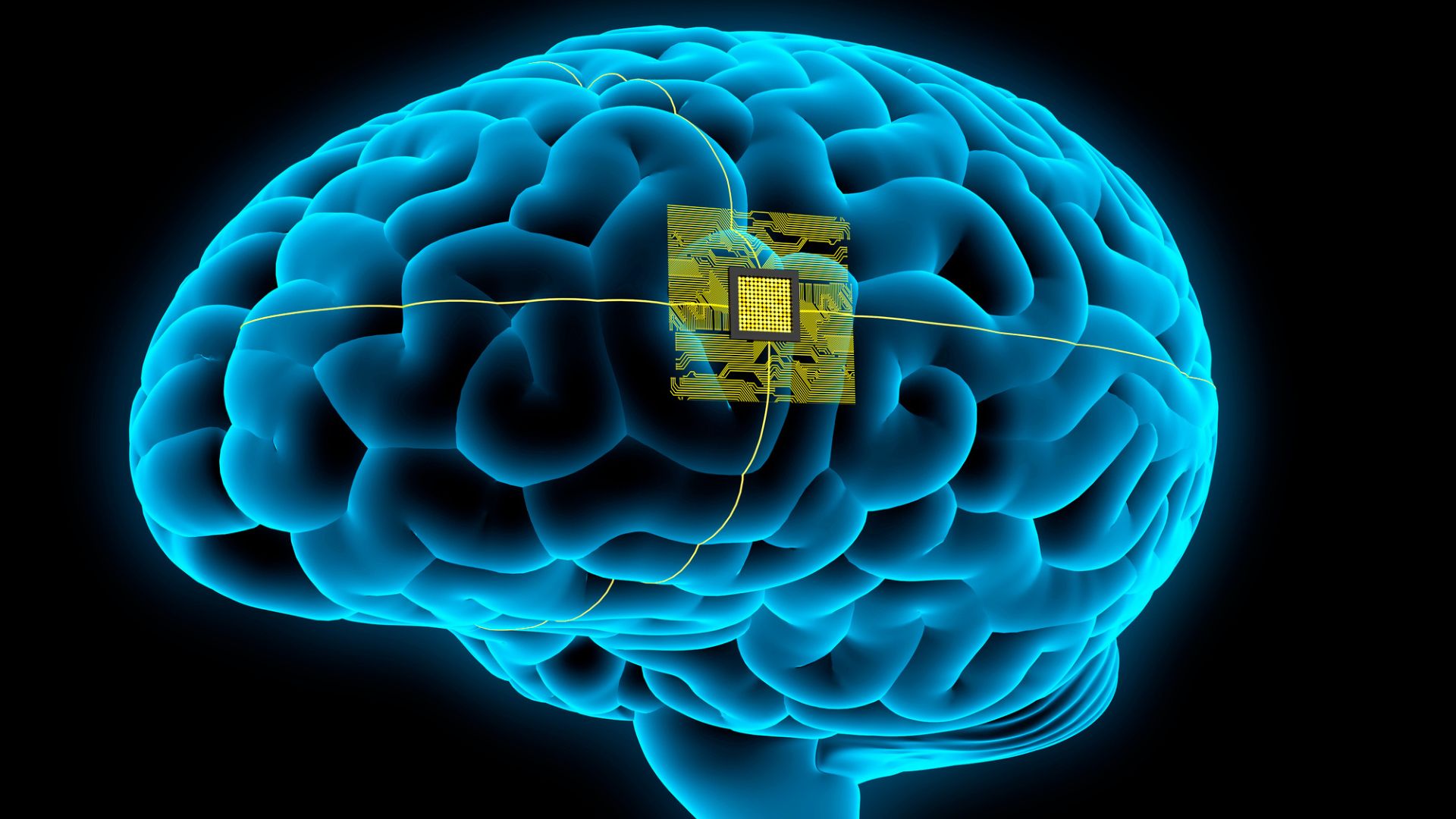
Ultra-flexible brain implant maintains 94% signal clarity after 18 months in rabbit study
A team of researchers from China and Japan has developed an ultra-flexible brain implant electrode array.
 interestingengineering.com·16d ago
Shiitake Mushroom Mycelium Used to Create Sustainable Memristors for Neuromorphic Computing
Neuromorphic computing, inspired by the structure of the brain, offers advantages in parallel processing, memory storage, and energy efficie
 journals.plos.org·8mo ago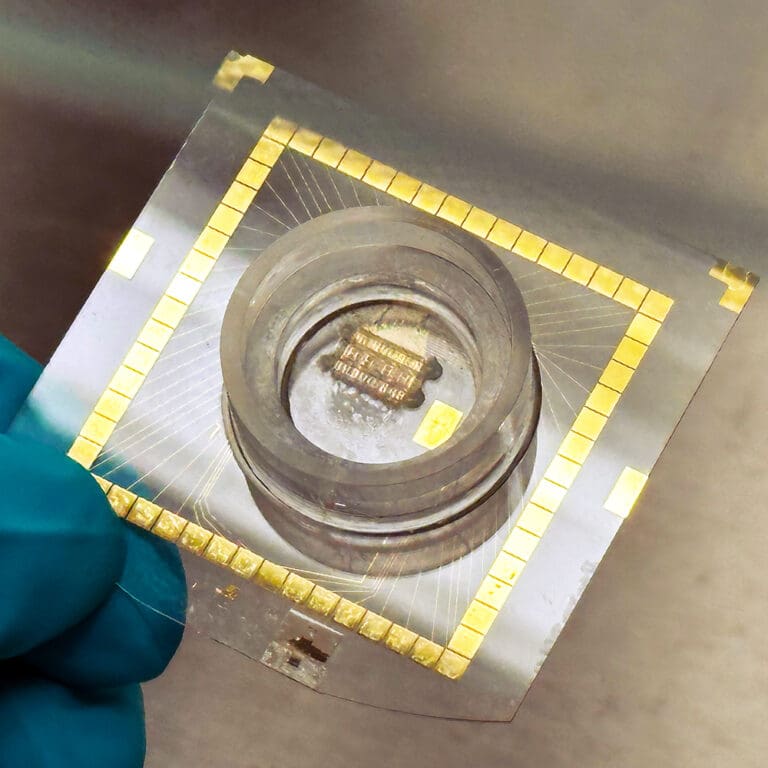
Princeton researchers create 3D brain-computer hybrid device with 70,000 living neurons
Find information and research on ethics, psychology, decision-making, AI, morality, ethical decision-making for mental health practitioners.
 ethicalpsychology.com·24d ago
Synthetic MRI Data Shows Promise for Reducing Manual Annotations in Focal Cortical Dysplasia Detection
Background and Purpose: Automated detection of focal cortical dysplasia (FCD) requires large volumes of voxelwise lesion-delineated MRI data
 arxiv.org·1mo ago
Non-surgical brain-computer interfaces match surgical performance while transforming risk-benefit calculus
Non-surgical implantable BCI is increasingly capable of matching surgical performance while transforming the risk-benefit equation, and it i
 medcitynews.com·17h ago
Científicos españoles logran localizar por primera vez los microtrombos que agravan el alzhéimer
La técnica de imagen médica ofrece una nueva estrategia terapéutica frente a una enfermedad todavía sin cura
Comments
Sign in to join the conversation.
No comments yet. Be the first.