





















Integrated network analysis maps cross-domain drivers of Alzheimer's disease risk
By
Gregory A Cary

Toasted golden, schmeared with insight. Top of the rack.
Summary
This article presents a research study on Alzheimer's disease (AD) that uses integrated network analysis to map cross-domain drivers of AD risk. It discusses how genome-wide association studies have identified over 75 genomic loci and omics analyses have nominated over 900 candidate targets linked to AD, yet the translation of this genetic risk to neurodegenerative phenotypes remains poorly understood. The research focuses on understanding the complex interplay between genetic and environmental risk factors during the extended prodromal period of AD, aiming to identify which genetic factors are causal drivers of the disease.
Key quotes
· 4 pulledAlzheimer's disease (AD) is a complex neurodegenerative disease with numerous genetic and environmental risk factors.
While genome wide association studies implicate over 75 genomic loci in disease risk and omics analyses have nominated over 900 candidate targets, how this risk translates to neurodegenerative phenotypes remains unclear.
AD typically manifests late in life, after an extended prodromal period marked by neuropathological accumulation.
The intricate interplay between risk factors makes identification of causal drivers difficult.
You might also wanna read
Egg Intake and the Incidence of Alzheimer's Disease in Adventist Health Study-2


Objective vs. Subjective Sleep Traits: A Phenome-wide Analysis of Disease Associations in 88,461 Adults
The study investigates the associations between accelerometer-derived objective sleep traits and various diseases in 88,461 UK Biobank adult
 spj.science.org·10mo ago
Research Links Long-Term Air Pollution Exposure to Higher Dementia Risk
A growing body of research suggests that long-term exposure to outdoor air pollution is linked to an increased risk of dementia, including A
 cam.ac.uk·10mo ago
Alzheimer's Disease Disrupts Circadian Rhythms in Brain Cells Responsible for Amyloid Clearance
A mouse study from Washington University School of Medicine reveals that Alzheimer's disease disrupts the circadian rhythms of brain cells r
 medicine.washu.edu·7mo ago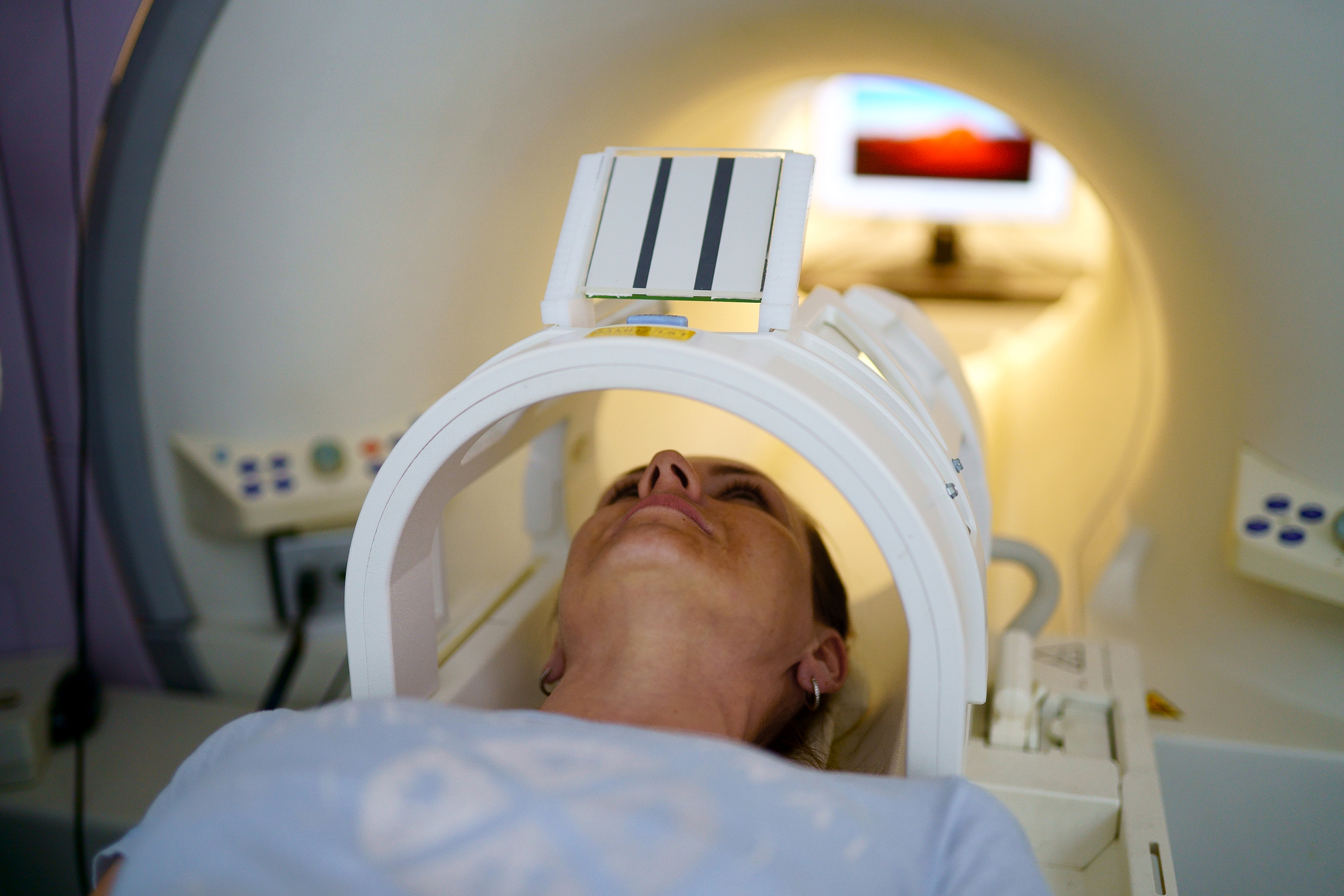
New MRI-Based Biomarker Predicts Aging and Disease Risks
Researchers from Duke University, Harvard University, and the University of Otago have developed DunedinPACNI, a noninvasive MRI-based bioma
 insideprecisionmedicine.com·10mo ago
Alzheimer's Research Impact: Uncovering a 16-Year Setback
A landmark study in Nature that identified a possible cause of Alzheimer’s disease in 2006 influenced research for almost 16 years until con
discovermagazine.com·1y ago