
























Look Once, Think Twice: A Neurologist's Guide to Recognizing Subtle Neurologic Signs
By
Ayushi Chugh, MD
Summary
Neurologist Dr. Ayushi Chugh addresses the challenge of "neurophobia" and provides guidance for non-neurologists on recognizing subtle signs of neurologic conditions. She emphasizes the principle "look once, think twice" — urging clinicians to pause and reconsider when symptoms don't fully add up, even when scans appear normal or vital signs are reassuring. The article highlights how neurologic and neuromuscular conditions often present with subtle signs that can be easily dismissed, and offers practical diagnostic wisdom for primary care providers, emergency physicians, and other non-neurology clinicians.
Source
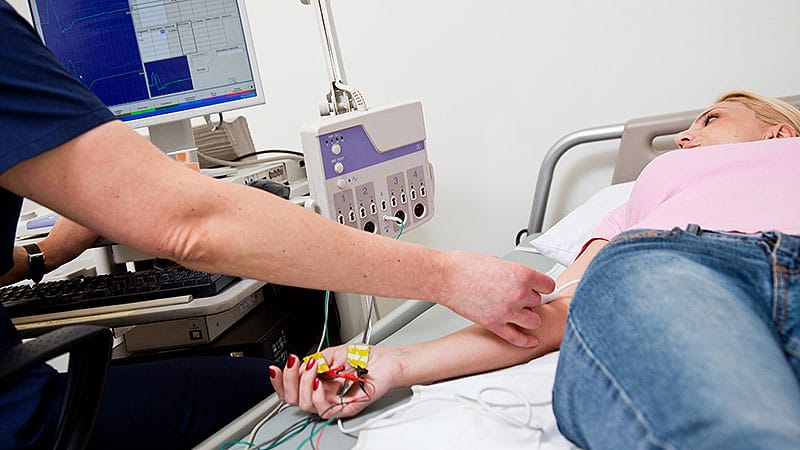
 Twitter / XLook Once, Think Twice: A Neurologist's Guide to Recognizing Subtle Neurologic Signsmdsc.pe
Key quotes
· 3 pulledAs a neurologist, one principle that I recommend to my neurology learners and non-neurology colleagues is 'look once, think twice,' because many neurologic and neuromuscular conditions initially hide behind subtle signs that appear straightforward.
A normal scan, reassuring vital signs, or a familiar symptom label may make us comfortable in...
Neurophobia is real. Patients with neurologic symptoms often first present to primary care clinics, emergency departments, or even ICUs long before they ever meet a neurologist.
You might also wanna read


Practical Advice for Software Engineers Recovering from Stroke
A software engineer who experienced a hemorrhagic stroke in the parietal lobe at age 29 shares practical advice for stroke survivors in tech
 blog.j11y.io·7mo ago
Neurodivergent Thinking as an Asset in System Design and Problem-Solving
The article explores how neurodivergent thinking patterns, often seen as defects in social contexts, can be valuable assets in system design
 blog.drjoshcsimmons.com·5mo ago
A Linguist's Struggle to Articulate Chronic Illness Symptoms
The article explores the challenges faced by a linguist and chronic illness patient in articulating and measuring internal health sensations
 thesicktimes.org·10mo ago
Mayo Clinic outlines BE FAST stroke warning signs to help save lives and brain function
This article covers the critical warning signs of stroke using the BE FAST acronym (Balance, Eyes, Face, Arm, Speech, Time) as promoted by M
 bit.ly·15d ago
Investigation into New Brunswick's Mysterious Neurological Illness Outbreak
The article investigates a mysterious neurological illness outbreak in New Brunswick, Canada, where over 500 people were diagnosed with a my
 bbc.com·5mo ago
Addressing Domestic Violence Risks in Multiple Sclerosis Care
This Viewpoint article examines the heightened risk of domestic violence among people with multiple sclerosis (MS), noting that individuals
 doi.org·9d ago
Comments
Sign in to join the conversation.
No comments yet. Be the first.