
























Man with 90% of brain missing lives normal life, challenges consciousness theories
The case of a man who is still able to function even though most of his brain is missing, has given fuel to radical theories about consciousness. Psychologist Axel Cleeremans, of the Université Libre…
Read the full articleYou might also wanna read


Comment naît notre conscience ? Des chercheurs rabattent les cartes après de nouvelles découvertes sur son origine cérébrale
Comment un amas de neurones fait-il naître un ressenti. Les neuroscientifiques nomment cette énigme le problème difficile, et nul ne sait qu

Le déclin cognitif n'est pas inévitable : le cerveau continuerait à progresser à tout âge, révèle une étude
On répète souvent que le cerveau décline avec l'âge, comme si la pente était tracée d'avance. Pourtant, rien n'oblige à la suivre. Une équip

Study of nearly 4,000 adults finds brain health can improve at any age, including the 90s
A three-year study of nearly 4,000 adults ranging from age 19 to 94 found that brain health can improve at any age, challenging the common b

Vous perdez vos mots ? C’est tout à fait normal !
« Comment ça s’appelle déjà ? » Le mot est là. On le sent à notre portée, presque accessible, « sur le bout de la langue », mais impossible
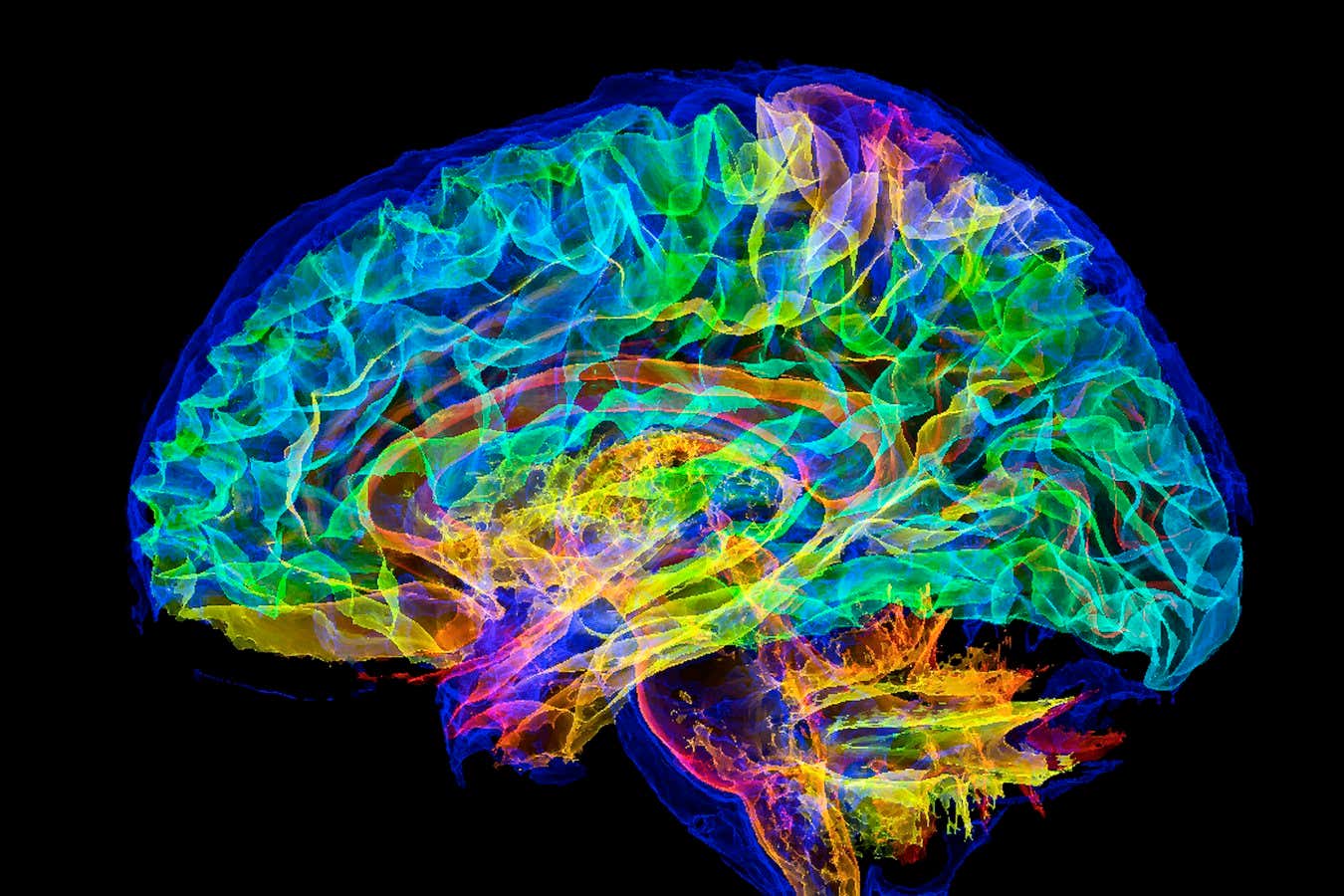
Why neuroscience is not ready to guide brain-based policymaking
From the age of legal adulthood to the concept of "profound autism", policy-makers are turning to neuroscience to help shape laws and polici
 newscientist.com·17d ago
Why neuroscience is not ready to guide brain-based policymaking
From the age of legal adulthood to the concept of "profound autism", policy-makers are turning to neuroscience to help shape laws and polici
newscientist.com·17d agoWhy neuroscience is not ready to guide brain-based policymaking
From the age of legal adulthood to the concept of "profound autism", policy-makers are turning to neuroscience to help shape laws and polici
newscientist.com·17d ago
STAT+: Brain implant restores the sensation of touch in a person with quadriplegia
A brain-computer interface helped restore movement and sensation in a 48-year old man with quadriplegia, researchers say.
Comments
Sign in to join the conversation.
No comments yet. Be the first.