
























SedonaDB 0.4.0: Open-source spatial database with GPU-accelerated joins on consumer hardware
Apache Sedona is a cluster computing system for processing large-scale spatial data. Sedona extends existing cluster computing systems, such as Apache Spark, Apache Flink, and Snowflake, with a set…
Read the full articleYou might also wanna read


Too hot to handle: A leaked internal Nvidia tool re-enables blocked GPU hotspot sensor data for RTX 50-series graphics cards
Exactly how hot are we talking?
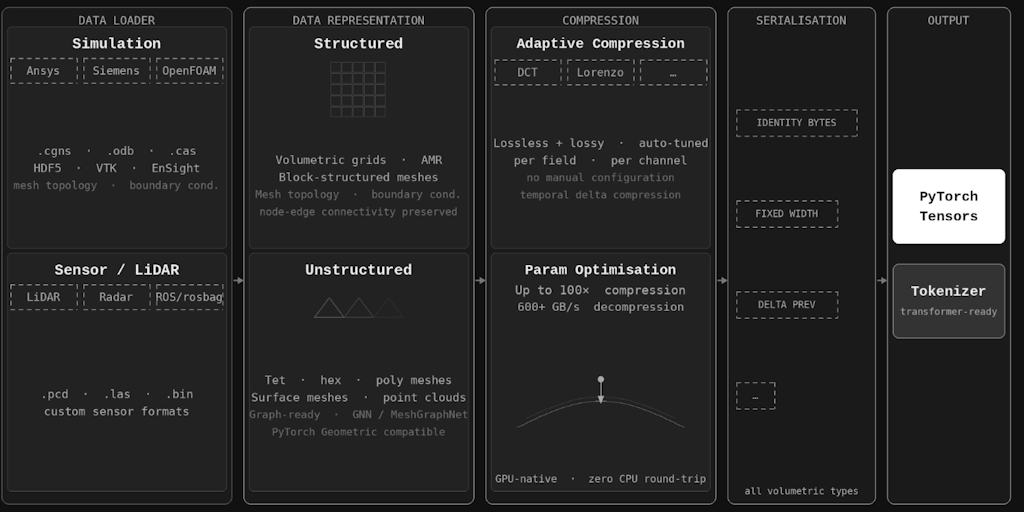
Zibra AI Launches GPU-Native Data Orchestration Platform for Spatial AI Training
GPU-native data orchestration platform for physical and spatial AI. Spatial AI isn't compute-bound — it's data-bound. Massive volumetric dat
 Product Hunt·2mo ago
Achieving 232x Speedup on GPU QR Factorization: A Contest Retrospective
Table of Contents Intro Contest in short Problem intro Why this problem is auto-research-able Learning Enough to Ask Better Questions (Optio
 sankalp.bearblog.dev·7d ago
KernelBench-Mega: Open Benchmark for Agentic GPU Whole-Block Megakernel Performance
Open agentic GPU kernel benchmark results, repositories, transcripts, and datasets.
kernelbench.com·13d ago
Enthusiasts Figured Out How to Run a 744-Billion-Parameter AI Without a Graphics Card — But There’s a Catch
Over on GitHub, someone has posted Colibri – a tool that lets you run GLM-5.2 on a home PC with roughly 25 GB of RAM and no dedicated GPU. W
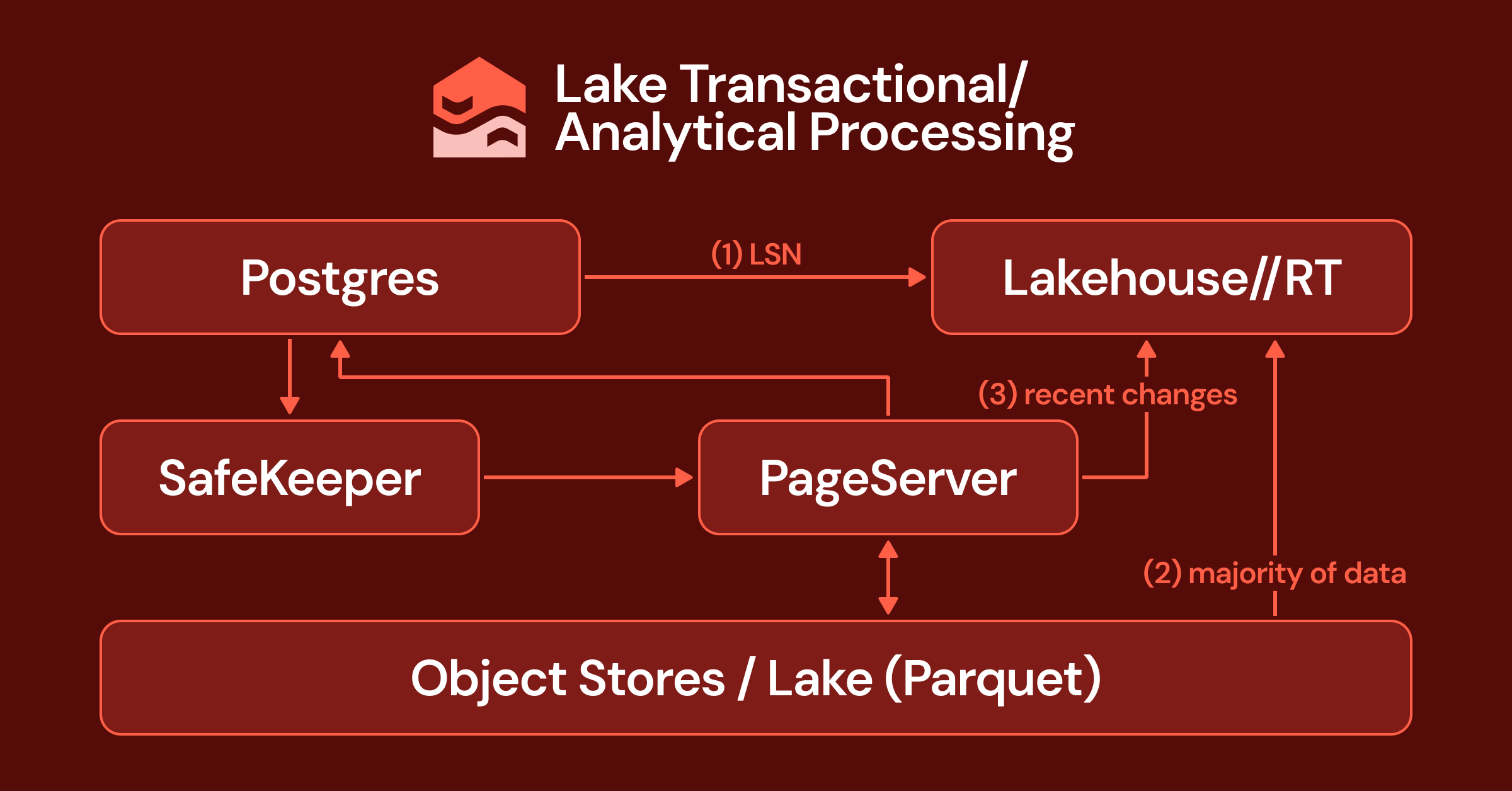
Rethinking database architecture: From monolithic storage to Lakebase and LTAP
* Almost every traditional database keeps its write-ahead log and data files on one machine's disk, which is the root cause of data loss ris
 databricks.com·15d ago
Rethinking database architecture: From monolithic storage to Lakebase and LTAP
* Almost every traditional database keeps its write-ahead log and data files on one machine's disk, which is the root cause of data loss ris
databricks.com·15d ago
Comments
Sign in to join the conversation.
No comments yet. Be the first.