
























Long-term HPV vaccine effectiveness study shows stable protection against targeted virus types in Danish women vaccinated as girls
BACKGROUND Danish women vaccinated with the 4-valent human papillomavirus (HPV) vaccine (HPV types: 6/11/16/18) at age 14 in 2008 reached screening age in 2017, allowing assessment of long-term…
Read the full articleYou might also wanna read


HPV vaccine eliminates cervical cancer cases in vaccinated Scottish women, landmark studies show
More than a decade after the first HPV vaccination programmes rolled out, data from multiple countries reveals a dramatic fall in cervical c
 gavi.org·1mo ago
A study to assess knowledge, awareness and attitude towards HPV vaccination among young adults in a tertiary health care setting
Background: Human papillomavirus (HPV) is one of the most common sexually transmitted infections worldwide and is a major etiological factor

HPV vaccine nearly eliminates cervical cancer deaths in vaccinated young women, landmark study finds
A new study finds that hundreds of lives have been saved since school-age girls were offered the HPV jab in 2008.
 bbc.com·25d ago
HPV vaccine nearly eliminates cervical cancer deaths in vaccinated young women, landmark study finds
A new study finds that hundreds of lives have been saved since school-age girls were offered the HPV jab in 2008.
bbc.com·25d ago
Vaccine Success
Newly released research analysing mortality data from 2020 to 2024 found no cervical cancer deaths among women in their early twenties in En
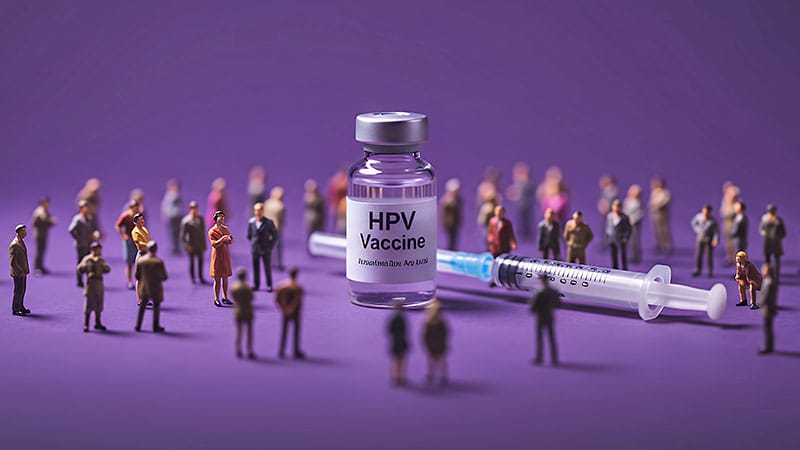
HPV Vaccine at 20: Proven Cancer Prevention Tool Faces Uptake Challenges
Evidence supports HPV vaccination as a powerful cancer prevention tool, but improving its uptake remains critical for achieving long-term pu
 mdsc.pe·28d ago
HPV vaccine linked to zero cervical cancer deaths in young women in England for first time
We already know the vaccine against human papillomavirus, or HPV, greatly reduces infections and cases of cervical cancer, and now we have t
 newscientist.com·21d ago
Comments
Sign in to join the conversation.
No comments yet. Be the first.