
























Local aid groups are keeping Sudan alive
From the article
Local aid groups are keeping Sudan alive The World Today iallan.drupal 3 December 2024 As international assistance in the civil war falters, Emergency Response Rooms and other mutual aid groups are offering millions of Sudanese a humanitarian lifeline – and the glimpse of a non-violent future, writes Kholood Khair. Though it struggles to capture the international media’s attention, Sudan’s war has precipitated the world’s largest humanitarian, hunger, displacement and protection crises. More than 19 months of fighting between the Sudanese Armed Forces (SAF) and the paramilitary Rapid Support Forces (RSF), and their allied militias and backers, have left more than half the population in urgent need of aid and significant swaths of the country in famine or on the brink of it. As the cycle of violence continues, Sudan’s volunteer-led ‘mutual aid groups’ – including the Emergency Response Rooms (ERRs), which were nominated for the Nobel Peace Prize – are providing a lifeline to many. Through local networks of community kitchens, free clinics and the organization of safe evacuations and protection zones, these groups are meeting needs that the international community has failed to provide for and are modelling a new approach to humanitarian responses. ERRs are the only entities showing the possibilities and successes of non-violent political action. These efforts go beyond the delivery of aid, however. With roots in the pro- democracy ‘Resistance Committees’ established before the 2018 revolution, ERRs have a history of non-violent, neighbourhood organization. And at a time when more groups across the political spectrum are being armed and mobilized by both sides of the conflict, the ERRs are the only entities on the ground showing the possibilities of non-violent political action. If they are to continue weaving Sudan’s social fabric back together, these mutual aid groups need better support and more flexible funding – and they need it fast. The scale of suffering To understand the reach of Sudan’s mutual aid groups is also to recognize the scale of suffering across the country and the inadequacy of the international response. Even before the war, Sudan was teetering on the edge of functionality, with soaring inflation and failing health and education services. This collapse was triggered by the 2021 coup, in which SAF’s General Abdel Fattah al-Burhan and the RSF’s General Mohamed Hamdan Dagalo, known as Hemedti, toppled the civilian government. 19 million children are out of school since the conflict broke out in 2023. The current conflict, which broke out between these rival military factions in April 2023, exacerbated an already fragile situation and has brought hunger, disease and displacement on an unimaginable scale. The International Organization for Migration estimates that, more than 11 million people, have been internally displaced, while more than 3 million have become refugees in neighbouring countries. At least 19 million children no longer attend school and 70 to 80 per cent of hospitals and clinics are out of commission. Ordinary people are dying in record numbers due to aerial bombardments, shelling and atrocities mostly committed by the RSF. And the longer the war continues, the longer the list of apocalyptic scenarios: fragmentation of forces and territory; widespread famine; genocide on a Rwanda-like scale; and an increasingly permissive environment for terrorism. Inadequate international response As these risks multiply and civilian deaths rise, international aid bodies have struggled to respond effectively. From the first few days of fighting in Khartoum, the United Nations and other international organizations have been impeded by a lack of access, with problems obtaining visas for SAF- and RSF-controlled areas. A lack of funding and the sclerotic set up of the international aid industry are thwarting the response in Sudan. In many ways, this has been self-inflicted. The UN has chosen to treat one of the belligerents, the SAF, as the government of Sudan whose approval they have sought for aid operations . This enabled the SAF to block humanitarian assistance , only lifting restrictions on political whims. Meanwhile the RSF has been looting aid from UN warehouses almost since the start of the war. A lack of funding and the sclerotic set up of the international aid industry are thwarting the response in Sudan. In the UK, the recent budget saw a 6.5 per cen t cut in overseas aid. Across the Atlantic, there are fears that Donald Trump, the president-elect, could defund the US Agency for International Development (USAID), with a catastrophic impact on Sudan, as its largest bilateral donor. The importance of localization In any humanitarian crisis, but particularly one as severe as Sudan’s, adequate access, local knowledge and effective use of money are essential. On all counts, Sudan’s mutual aid groups are proving to be better equipped than any international counterpart. Much of their approach is socially embedded. Long before the political upheavals of the past five years, and throughout the cycles of a weak state, war and famine that defined the 25-year-long regime of Omar al-Bashir, the Sudanese have relied on the concept of nafeer – community-led, voluntary support. This practice paved the way for non-violent neighbourhood organizations known as Resistance Committees, established as early as 2013, to open Emergency Response Rooms following the outbreak of war. 4 million people across Sudan are supported by Emergency Response Rooms. Almost immediately the ERRs began evacuating civilians from conflict hot spots in Khartoum, and later set up refuges for survivors of rape as well as community kitchens. These efforts were entirely funded by Sudan’s diaspora. Today, the ERRs reach more than 4 million people across Sudan and are continuing to adapt their operations. Under extreme pressure and the threat of detention and death by both the SAF and the RSF, they are managing to operate successfully: negotiating local access; strengthening local markets by sourcing food through them; and maintaining local supply chains and upending externally driven humanitarian practices. But beyond the delivery of humanitarian assistance, mutual aid groups are shaping Sudan’s potential political path out of the conflict. Particularly at this juncture in the war – when non-violent political action is under threat from both sides – the ERRs offer a rare model of unarmed political resistance and effective public service. The ERRs offer a rare model of unarmed political resistance and effective public service. That message contrasts with the civil war’s antagonists’. Pro-SAF partisans are trying to recast Sudan’s youth as pro-war and supportive of the SAF’s call to arms and their non-democratic rule. Similarly, pro-RSF partisans aim to refashion the RSF’s forced recruitment, pillage and destruction as revolutionary action that will lead towards representative democracy. But the presence of Sudan’s youth-led mutual-aid groups is countering these narratives. When the process of national recovery finally begins, they will be the only people with the capacity and reach to make Sudan’s transition to democracy durable. The future of the aid industry But they cannot do it alone. ERR representatives have described the sort of help they need: financial support and on their terms; flexible, little and often, rather than large amounts for a predetermined set of activities; protection through their recognition as humanitarian actors; and partnership with an international humanitarian industry willing to make the necessary changes to assist them in saving lives. Related work Africa Aware: Tagadom’s vision for ending the war in Sudan Some moves towards this have already been made. USAID, for example, has started to create internal exemptions and more permissive funding mechanisms for localization, recognizing that Sudan’s mutual aid groups are modelling the future of the industry. Other big donors, including the UK and the European Union have yet to develop localization strategies and are not providing sufficient support for such groups through existing funding mechanisms. All must resist the urge to turn mutual aid groups into NGOs.
Continue reading on Chatham HouseYou might also wanna read

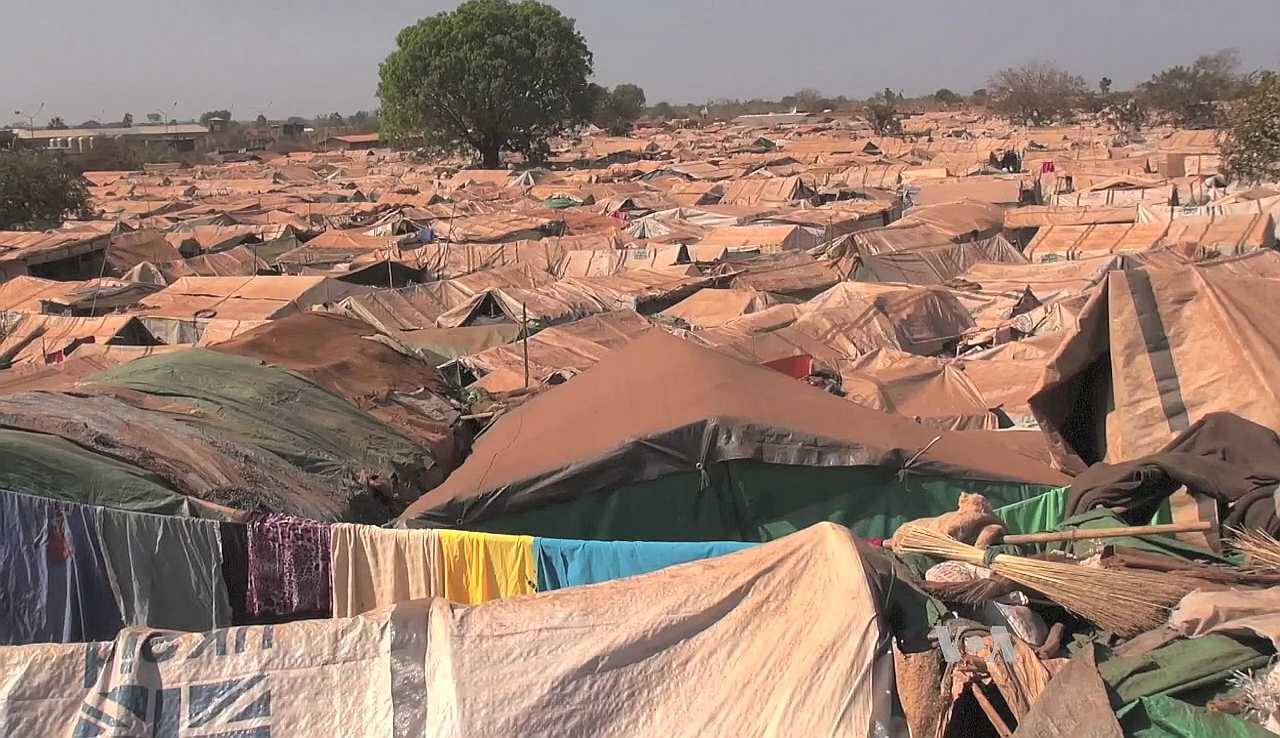
International Inaction on Sudan's War and Humanitarian Catastrophe
The article analyzes the ongoing war in Sudan that began in April 2023 between the Sudanese Armed Forces and Rapid Support Forces, which has
 respublica.media·2mo ago
UNICEF Deputy Director Urges Security Council Action on Sudan's Humanitarian Crisis
UNICEF Deputy Executive Director Hannan Sulieman addresses the UN Security Council on the catastrophic humanitarian crisis in Sudan, now in
 unicef.org·12d ago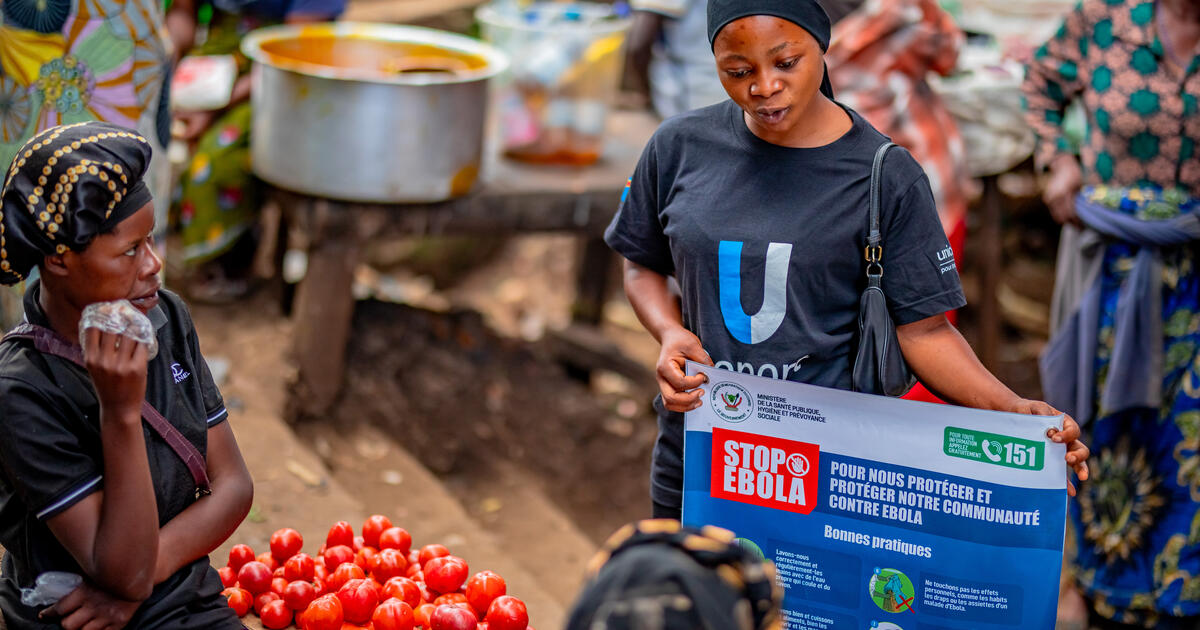
OCHA warns Security Council of shrinking humanitarian aid space amid escalating global conflicts
The article covers multiple humanitarian crises across Ukraine, Lebanon, Occupied Palestinian Territory, Sudan, and the Democratic Republic
 unocha.org·15d ago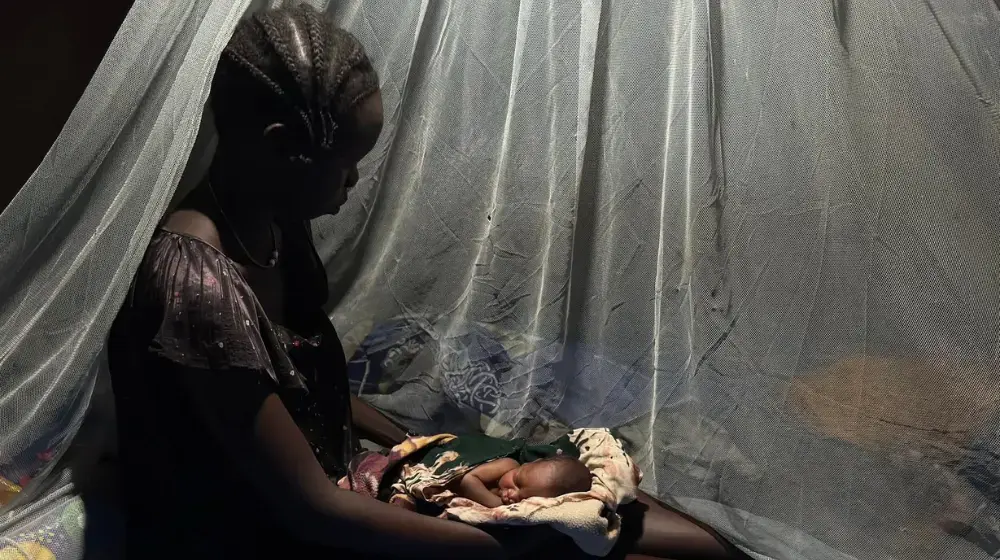
Conflict-related sexual violence surges as South Sudan crisis displaces thousands
A harrowing account of conflict-related sexual violence in South Sudan, as told through the story of Nyajok, a single mother who fled violen
 unf.pa·17d ago
Over 5,500 children displaced by fighting in Sudan’s el-Obeid, charity says
Al Jazeera·2d ago

‘The situation is terrible’: aid workers on life in Sudanese city pummelled by drone strikes
The Guardian·5d ago
Comments
Sign in to join the conversation.
No comments yet. Be the first.