
























Linux 7.1 Kernel to Remove UDP-Lite Support for Code Cleanup and Performance Gains
The upcoming Linux 7.1 kernel cycle is set to retire UDP-Lite support
Read the full articleYou might also wanna read


Linux kernel 7.1 drops Intel 486 support, removes over 140,000 lines of legacy code
More than 140,000 lines of code bite the dust as ancient CPUs, bus mice, and other legacy leftovers face the chop
 theregister.com·1mo ago
Kernel Fixes, CVE Resolutions, and Package updates for Oracle Linux
Oracle Linux published a series of security advisories addressing critical vulnerabilities across versions 7, 8, and 9.The updates modify co
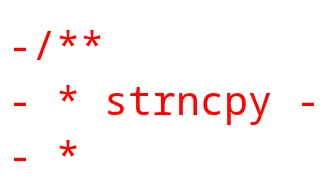
Linux Kernel Finally Removes strncpy API After Six Years and 360+ Patches
Linux 7.2 has finally eliminated the strncpy API from the Linux kernel
 phoronix.com·26d ago
Linux Kernel Finally Removes strncpy API After Six Years and 360+ Patches
Linux 7.2 has finally eliminated the strncpy API from the Linux kernel
phoronix.com·26d agoSecurity update for the Linux Kernel
A security update for the SUSE Linux Enterprise 11 SP4 kernel addresses multiple vulnerabilities, including use-after-free bugs, race condit

Working Exploit Released for Linux Kernel Use-After-Free Flaw CVE-2026-23111 Enabling Local Root Access
Security researchers released a working exploit for CVE-2026-23111, a Linux kernel use-after-free in nf_tables that can let an unprivileged
 hendryadrian.com·1mo ago
Linux Kernel and Application Patch updates for Ubuntu
Ubuntu released a batch of security notices addressing numerous vulnerabilities across the Linux kernel and several core applications. These
Comments
Sign in to join the conversation.
No comments yet. Be the first.