
























Like wolves, non-native lake trout have radically altered Yellowstone ecosystems (commentary)
From the article
Yellowstone National Park is often told as a story of recovery. Wolves returned and then elk changed their behavior. Willows and aspens then rebounded and rivers, it is said, changed course. The reintroduction of wolves in 1995 is one of the most familiar ecological narratives in the world. But the Yellowstone ecosystem was not waiting […]
Continue reading on MongabayYou might also wanna read


Europe's wolf comeback: Balancing conservation success with human-wildlife conflict
As wolf populations rebound across Europe after centuries of decline, conflicts with humans are intensifying. The article examines the ecolo
 science.org·16d ago
Europe's wolf comeback: The growing challenge of coexistence between humans and predators
Europe's wolf populations are rebounding after centuries of decline, leading to increased encounters with humans and livestock. This has spa
 scim.ag·14d ago
Europe's wolf comeback: The growing challenge of coexistence between humans and predators
Europe's wolf populations are rebounding after centuries of decline, leading to increased encounters with humans and livestock. This has spa
scim.ag·14d ago
Can America’s Wolves Survive an Onslaught of Political Attacks?
physics.yale.edu·3mo ago
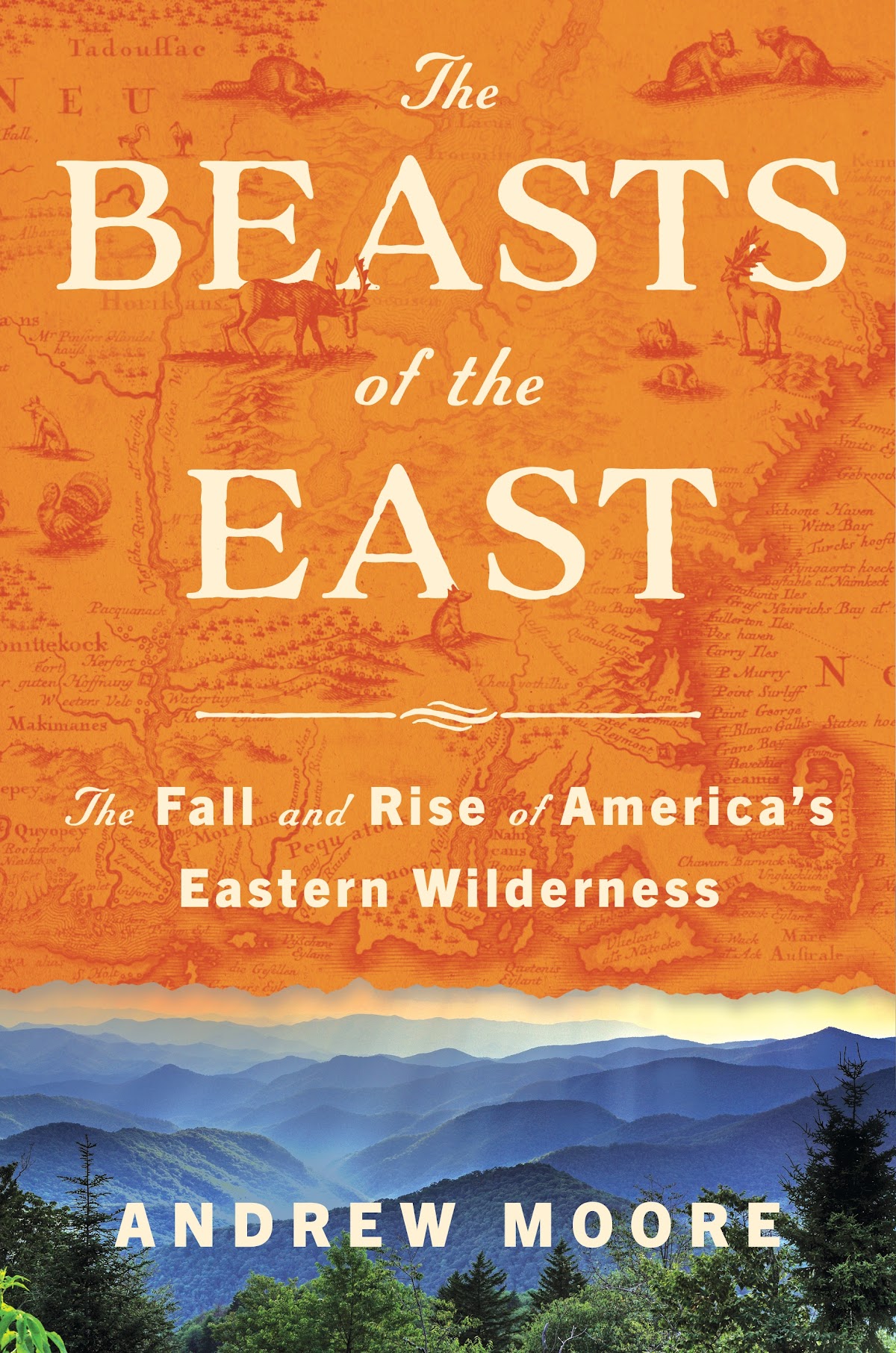
Review: "The Beasts of the East" explores the ecological recovery of America's eastern wilderness
A review of Andrew Moore's book "The Beasts of the East: The Fall and Rise of America's Eastern Wilderness," which explores the historical l
 expendablemudge.blogspot.com·22d ago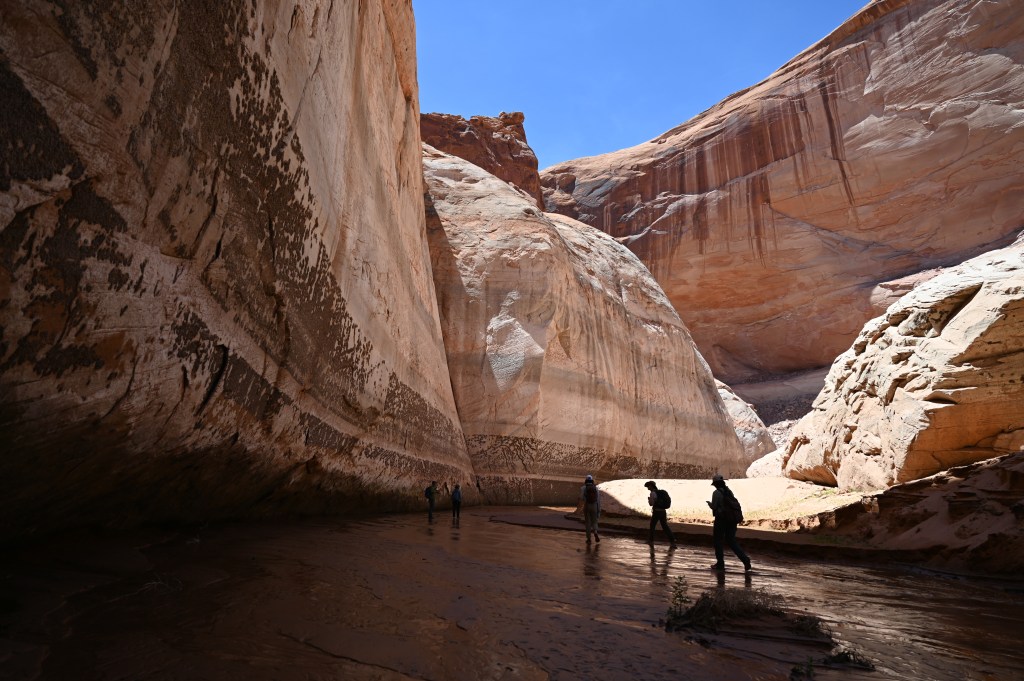
Receding Lake Powell waters reveal re-emerging ecosystems in Glen Canyon side canyons
As drought conditions cause Lake Powell's water levels to drop dramatically, submerged side canyons like Davis Gulch in Glen Canyon are re-e
 denverpost.com·1mo ago
Species Slowdown: Is Nature’s Ability to Self-Repair Stalling?
physics.yale.edu·4mo ago
Comments
Sign in to join the conversation.
No comments yet. Be the first.