
























You might also wanna read


Color-A-Cube Impressions: A Deeply Satisfying Color-By-Number Game
Color-A-Cube is a cozy color-by-number game built around charming voxel models and simple, satisfying game mechanics.
UploadVR·20d ago
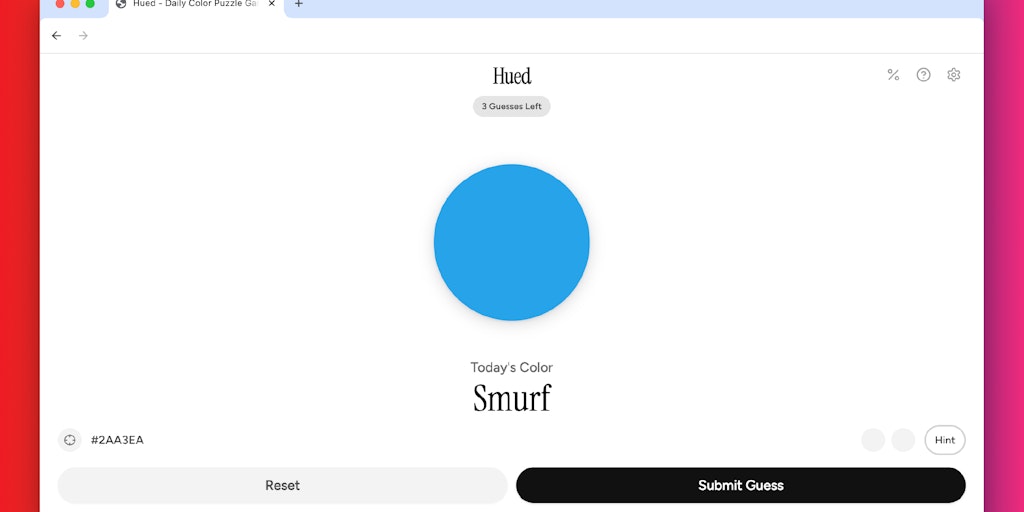
Hued: Daily Color Matching Puzzle Game Inspired by Wordle
Hued is a daily color puzzle—like Wordle, but for colors. You get 3 guesses to match the color of the day. Designed, built, and launched thi
 Product Hunt·1y ago
:format(jpeg):fill(f8f8f8,true)/s3/static.nrc.nl/taxonomy/c3f9335-Sudoku_itemafbeelding.png)
Sudoku
NRC·5d ago

Mahjongg Dark Dimensions und mehr Online-Spiele kostenlos spielen bei t-online.de
Erleben Sie Mahjongg Dark Dimensions und genießen Sie kniffligen 3D-Knobelspaß. Spielen Sie kostenlos bei t-online.de/spiele und sammeln Sie
t-online.de·1y ago
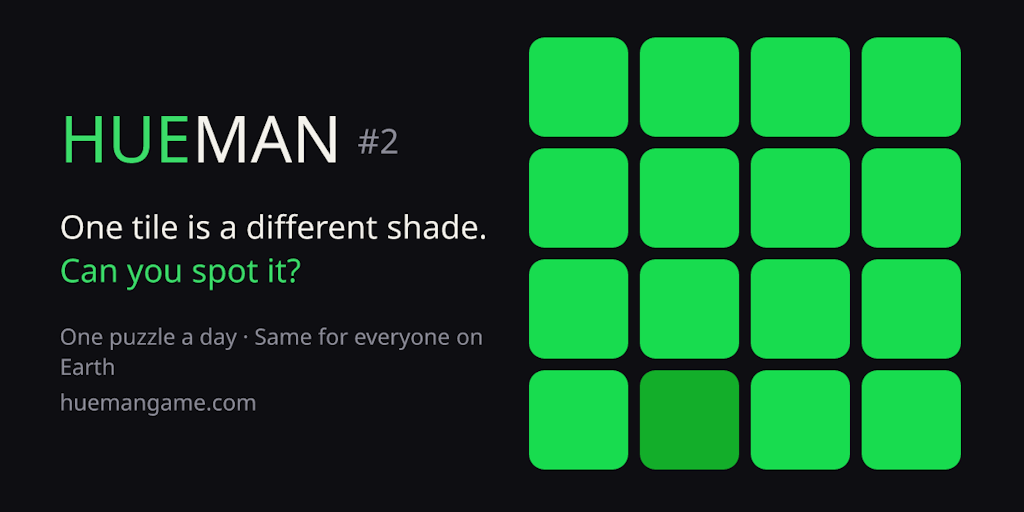
HUEMAN: A Free Daily Color Perception Puzzle Game Launches on Product Hunt
Meet HUEMAN: a free daily color game that’s like Wordle, but for your eyes. If you grew up on games like Kuku Kube or I Love Hue, or you jus
Product Hunt·1mo agoPuzzle No. 57: Themeless
Back with another L/R themeless this week! I've been really vibing with chunky corners and mirror symmetry lately, and this puzzle is the...
happylittlepuzzles.com·5y ago
Comments
Sign in to join the conversation.
No comments yet. Be the first.