





















How dead organisms in nature become building blocks for new life
By
Kai Kopecky
Summary
This article explores how dead organisms in nature—from burned trees after wildfires to bleached coral reefs—are recycled into new life rather than representing pure loss. It explains how fallen branches, leaves, empty shells, and other dead organic matter provide nutrients for new growth, support soil health, and become foundations for future ecosystems. The piece reframes death in nature as an essential part of life's cycle, where the remains of foundation species can either boost or deter how well future generations grow and thrive.
Source
 bskyHow dead organisms in nature become building blocks for new lifetheconversation.com
Key quotes
· 5 pulledPeople's knee-jerk reaction to seeing death in nature is often not positive.
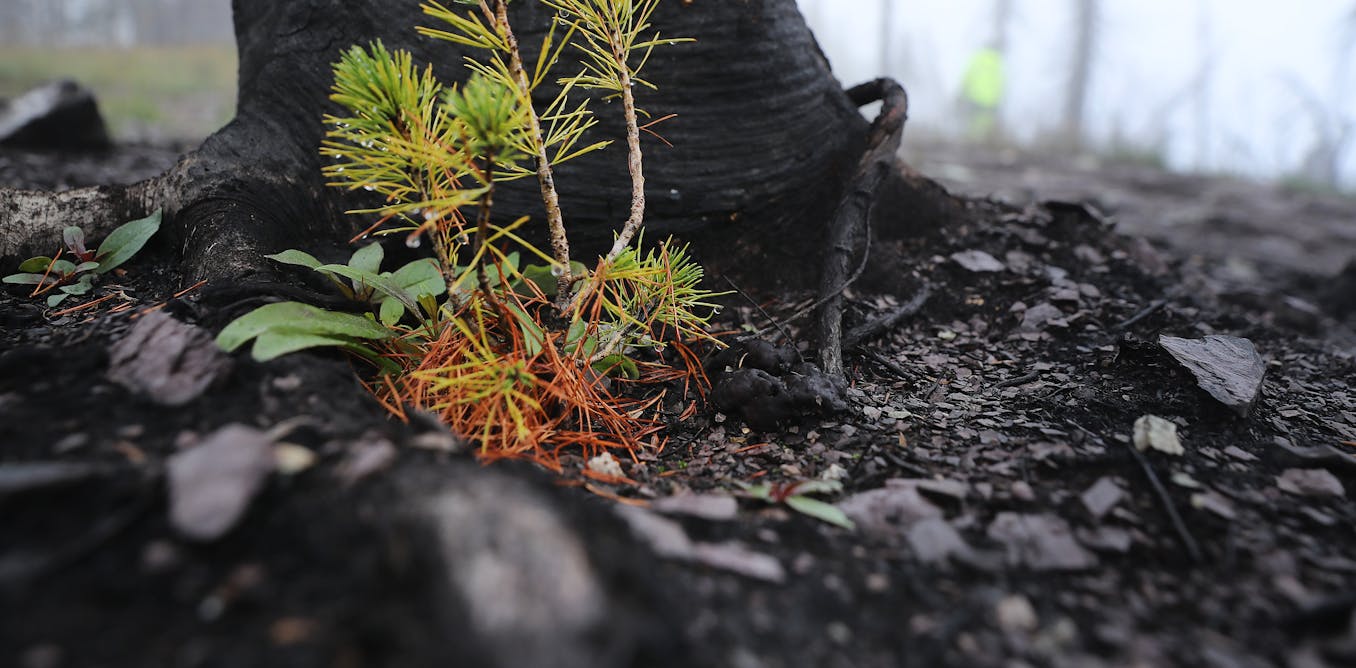
The burn scar left by wildfire on a once-forested hillside, or a ghostly white coral reef, may evoke tragedy and despair.
But in nature, most plants and animals are recycled back into new life.
The fallen branches and leaves that crunch under your boots as you step on the forest floor are providing nutrients for new growth as they decompose.
Empty shells can become the foundations for new sea life to grow.
You might also wanna read

Understanding How Life Contributes to Cloud Formation for Climate Science Improvement
Scientists are beginning to understand how life contributes to cloud formation, potentially improving climate science. Plants, plankton, and
smithsonianmag.com·11mo ago
Sterilized Soil Continues to Release Carbon Dioxide for Six Years, Hinting at Origins of Life
A biochemist named Sébastien Fontaine conducted a 15-year experiment attempting to sterilize soil completely using gamma radiation to measur
 quantamagazine.org·10d ago
Sterilized Soil Continues to Release Carbon Dioxide for Six Years, Hinting at Origins of Life
A biochemist named Sébastien Fontaine conducted a 15-year experiment attempting to sterilize soil completely using gamma radiation to measur
quantamagazine.org·10d ago
How to properly dispose of human waste while hiking to protect the environment and other hikers
This article addresses the environmental and public health impact of human waste left behind by hikers in natural areas. It explains how pat
theconversation.com·9mo ago
Fungi Gain Recognition for Their Essential Ecological and Economic Roles
The article highlights the growing recognition of fungi's crucial ecological and economic importance after being historically overlooked. It
 e360.yale.edu·3mo ago
China's Tree Planting Transforms Taklamakan Desert into Carbon Sink
New research reveals that China's massive tree-planting efforts around the Taklamakan Desert have transformed the region from a 'biological
 livescience.com·4mo ago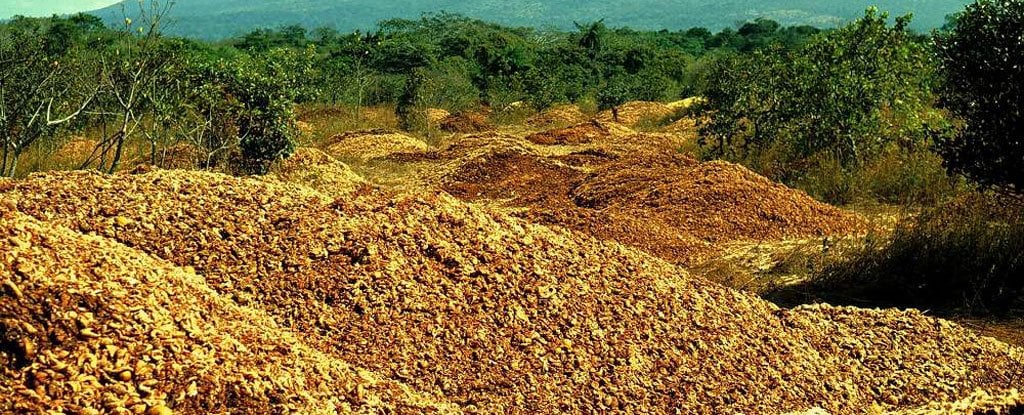
Abandoned Orange Peel Dumping Project Transforms Barren Costa Rican Land into Thriving Forest
An abandoned conservation experiment from the mid-1990s, where a juice company dumped 12,000 tonnes of orange peel waste on barren pasturela
 sciencealert.com·2mo ago