
























Lessons from our Journalist Fellows on ethics, engagement, innovation and trust
By
Matthew Leake
5d agoen
Source
Reuters InstituteLessons from our Journalist Fellows on ethics, engagement, innovation and trustox.ac.ukOur outgoing global cohort presented findings from their projects on fact-checking, climate coverage, war reporting, OSINT, side-hustles and much more at an exclusive event in London On Wednesday, we gathered at the Frontline Club in London to say farewell to our 12 Journalist Fellows . They’ve spent the past months in Oxford, learning from each others’ experiences and working on projects related to challenges facing their newsrooms or the industry as a whole. Our Summer Showcase featured presentations on each of those projects, as well as panel discussions on some of the issues they discussed. From fact-checking and climate journalism to audience engagement and journalistic standards, they helped us reflect on the challenges facing our profession and how it can be reshaped to meet our audiences’ needs. Here’s a summary of the evening. Stay tuned for their projects, which will be published on our website in the next few months. 1. On journalistic standards at a time of war. Ukrainian journalist Roman Sukhan is an editor and host at public broadcaster Suspilne. During his time with us, he examined journalistic standards at a time of war. This is not an abstract topic for Roman. He’s reported extensively on the full-scale invasion from February 2022 and has had to cut his fellowship short after his brother was severely injured in a Russian attack. Roman asked over 100 Ukrainian journalists and 20 colleagues from other countries whether standards should stay the same during war. The answers from Ukrainians surprised him: “Yes, standards are important, but safety comes first. Safety of civilians – because a second rocket can hit the exact same place we just showed on TV. Safety of soldiers – because they are our relatives, friends, and colleagues who never planned to hold a gun.” A quote from Roman. ”My research proves that Ukrainian journalists did not become tools of propaganda. When asked if we should do anti-corruption investigations during the war, we say yes. Should we report on human rights violations regardless of who commits them? Definitely yes. Should we broadcast the direct words of the aggressor? No, not without strong context, because we cannot be a megaphone for the enemy. Is it right to delay information to save people’s lives? Yes.” 2. On demystifying open source intelligence. “Many journalists still imagine nerds when they think of OSINT ,” German reporter Lea Weinmann said about the kind of open source intelligence techniques many reporters use now. “We need to overcome this jargon and see it for what it is: a part of our job. OSINT is one of our most powerful ways to seek truth. We use publicly available information to verify and to uncover what powerful actors want to hide.” Lea’s project with us has focused precisely on how to integrate these techniques more efficiently into the work of newsrooms. “If you want to break award-winning stories, you need both – the generalists in every department and the deep specialists,” she said. “But awards are not what decide whether a newsroom survives. In a digital environment, you simply cannot stay relevant in journalism without basic OSINT skills in the hands of all reporters, editors, and producers.” A quote from Lea: “Rather than throwing a bunch of tools at people, develop a basic, newsroom-wide understanding of what verification actually means. If these methods remain confined to a handful of digital heroes, the newsroom as a whole falls behind. We need digital literacy across the board. OSINT is no witchcraft. It is a mindset. If we want journalism to matter tomorrow, we have to build that mindset into our newsrooms today.” 3. On reporting on those guilty of despicable crimes. Norwegian journalist Håkon Høydal has spent his time with us examining how journalists should report on people society perceives as monsters: those who’ve been found guilty of serious crimes such as murder, rape or child abuses. “In a society built on competitive identity-building,” he said. “… Read more
You might also wanna read


‘Our Missiles and Drones Are Ready to Fire at You’: Iran Warned Ships Near Hormuz — Then the Guard Corps Made Good on the Threat
National Security Journal·2h ago

Congress Can Still Ban Birthright Citizenship. Here’s How.
tippinsights.com·2h ago

Executive Order 14281: Restoring Equality of Opportunity and Meritocracy in Federal Policy
This is an Executive Order (EO 14281) issued by the President of the United States, asserting that the bedrock principle of the United State
 whitehouse.gov·2h ago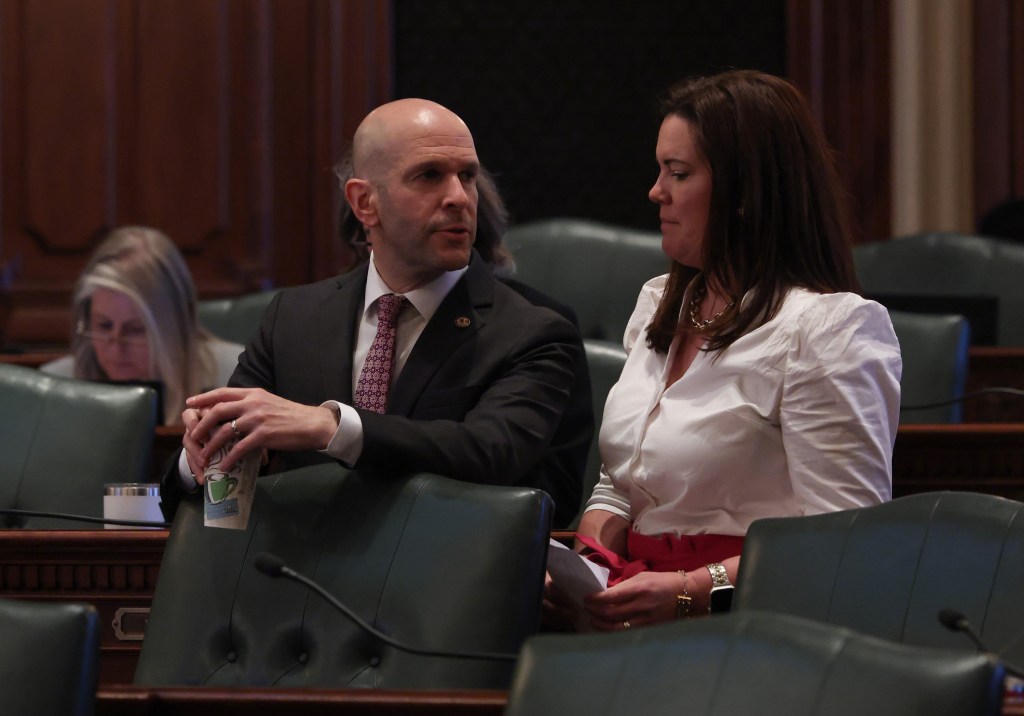
Illinois bill would require disability group homes to disclose private equity ownership to state regulators
An Illinois bill awaiting Governor Pritzker's approval would require group homes for people with intellectual and developmental disabilities
 chicagotribune.com·2h ago
Obscenity Is Still Illegal—It’s Time To Enforce Laws Against Pornography
tippinsights.com·2h ago
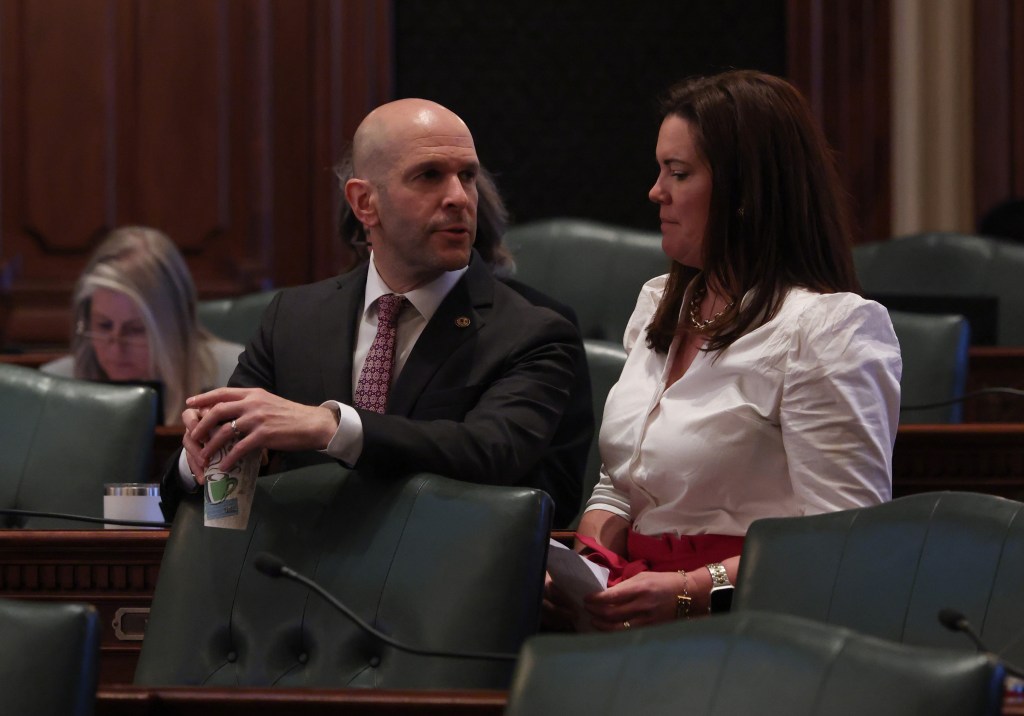
Illinois bill would require disability group homes to disclose private equity ownership to state
An Illinois bill awaiting Governor Pritzker's approval would require group homes for people with intellectual and developmental disabilities
chicagotribune.com·2h ago
Comments
Sign in to join the conversation.
No comments yet. Be the first.