
























Lenovo Executive Predicts RAM Prices Will Never Return to Pre-2025 Levels
By
James Lucas
Summary
Lenovo's senior director of memory and storage, James Lucas, predicts that RAM prices will never return to pre-2025 levels, even as supply-demand dynamics stabilize. The article explains that DRAM manufacturers have shifted strategy from aggressive volume growth to profitability-focused production, creating a "new normal" of higher prices. This structural change is driven by the industry's pivot toward high-value products like HBM (High Bandwidth Memory) for AI workloads, which consumes significant manufacturing capacity. Lucas argues that even if supply catches up with demand, prices won't fall back to previous lows because manufacturers have learned to prioritize margins over market share. The piece also notes that this affects consumers building PCs, as DDR5 RAM prices are expected to remain elevated through the 2030s.
Source
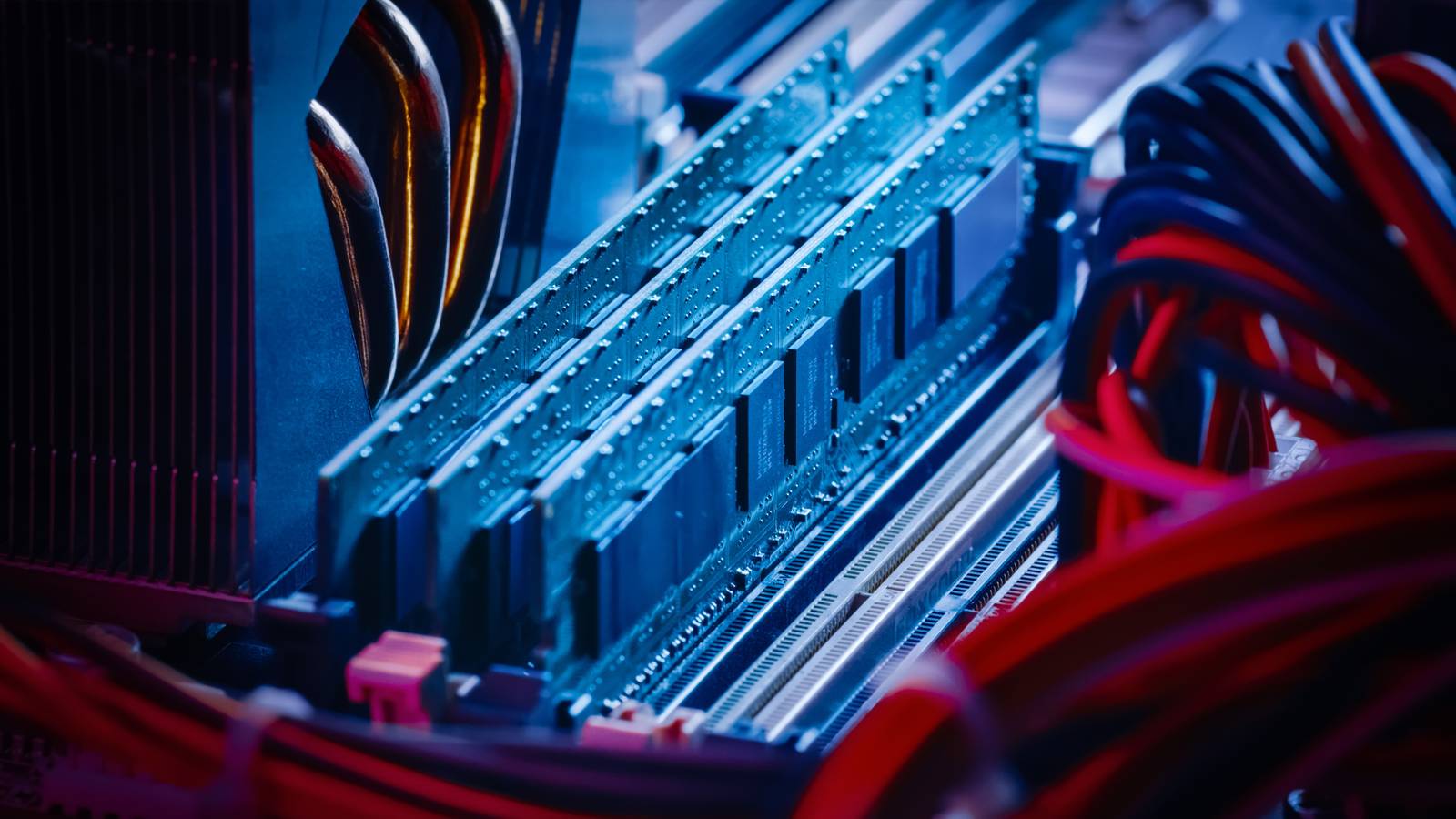
 bskyLenovo Executive Predicts RAM Prices Will Never Return to Pre-2025 Levelsthegamer.com
Key quotes
· 5 pulledI think the new normal is that DRAM will never return to the prices we saw in 2024 and before.
The DRAM manufacturers have learned their lesson. They're not going to flood the market with supply and drive prices down to unsustainable levels.
HBM is a very high-value product, and it consumes a lot of wafer capacity. That capacity is not available for DDR5 production.
Even if supply and demand come back into balance, the prices are going to be higher than what we've been used to.
The industry has fundamentally changed. The era of cheap DRAM is over.
You might also wanna read


Memory price surge slows as consumers reach affordability ceiling; AI demand still supports DRAM and NAND markets
Memory price increases are cooling as consumer buyers hit affordability limits, though prices will continue rising through Q3 2026. TrendFor
 tomshardware.com·3d ago
Memory price surge slows as consumers reach affordability ceiling; AI demand still supports DRAM and NAND markets
Memory price increases are cooling as consumer buyers hit affordability limits, though prices will continue rising through Q3 2026. TrendFor
Tom's Hardware·3d ago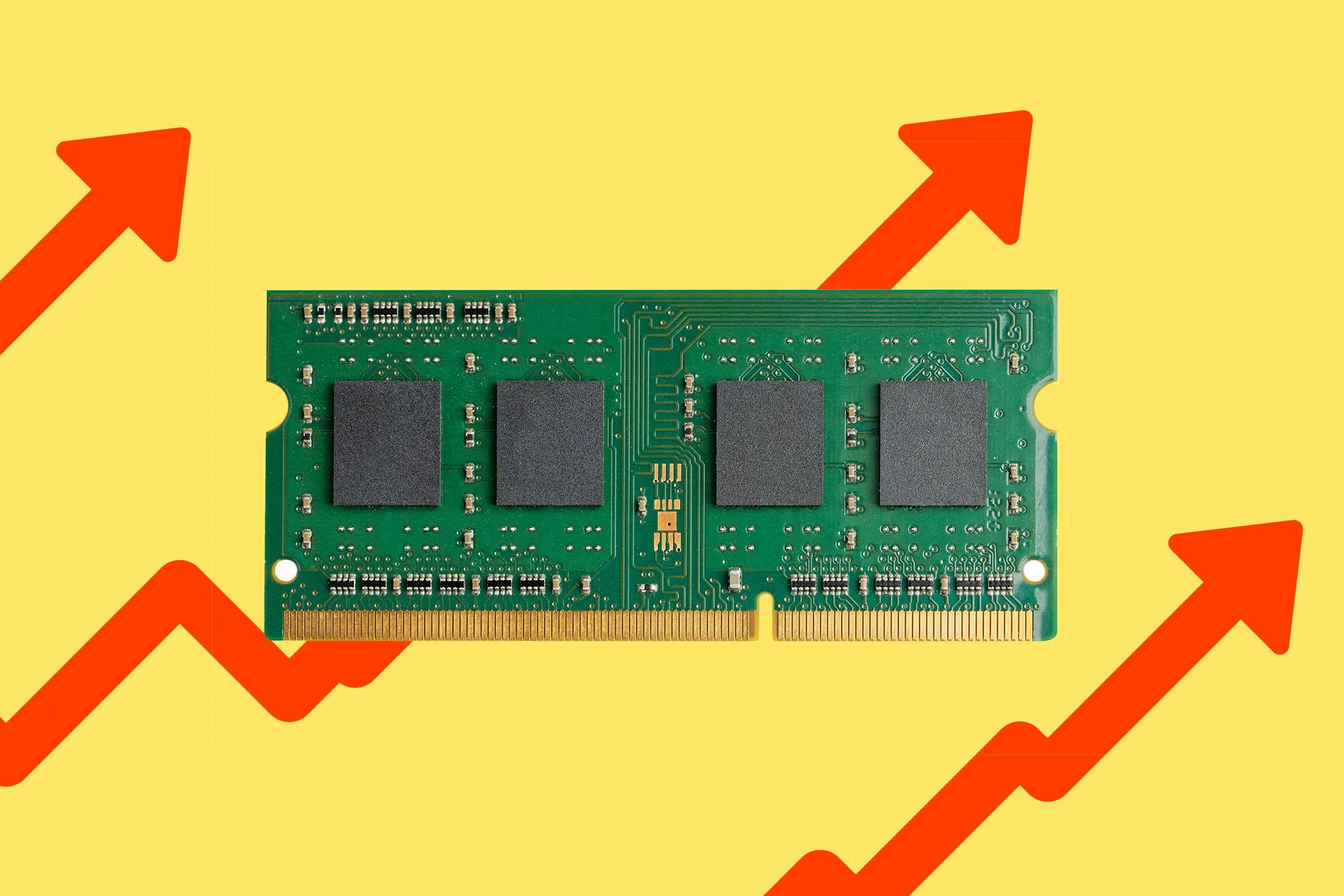
AI Industry Demand Drives RAM Price Increases and Global Memory Shortage
The article discusses how the global memory shortage is causing RAM price spikes, primarily driven by AI industry demand. Memory suppliers a
 The Verge·5mo ago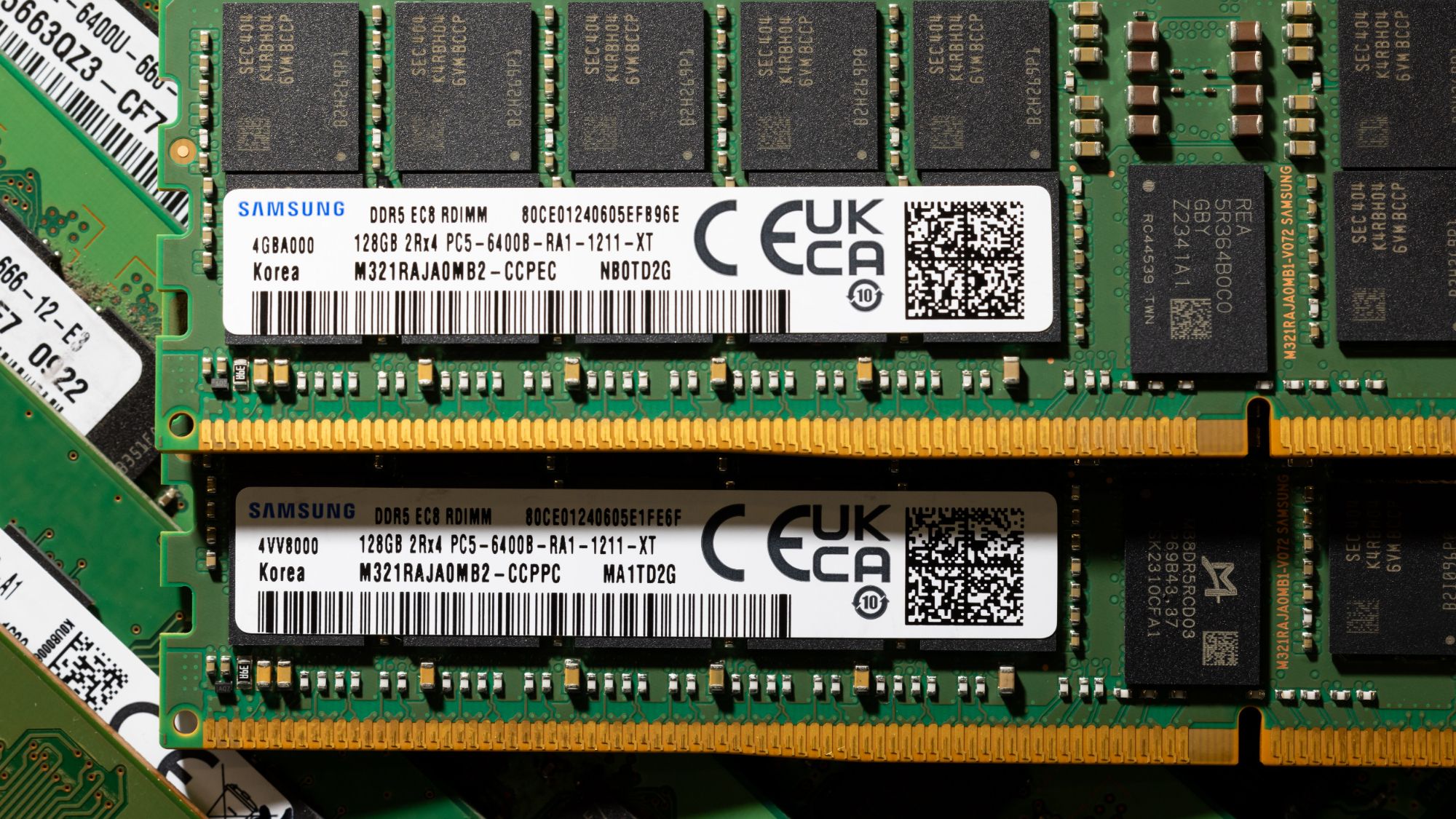
AI Demand Drives Server DRAM Shortages: Prices Up 50%, Order Fulfillment at 70%
Server DRAM prices have surged up to 50% in Q4 as AI-driven demand creates severe memory shortages, with major U.S. and Chinese hyperscalers
 tomshardware.com·8mo ago
DDR5 RAM Prices Surge 156% in Three Weeks Due to AI Industry Demand and Supply Constraints
The article discusses the dramatic price surge in DDR5 RAM memory, attributing it to AI industry demand and supply chain issues. The author
 mooreslawisdead.com·7mo ago
Memory Manufacturers Shift Focus from Smartphones to Hyperscalers, Threatening 2026 Device Markets
The article analyzes a global memory shortage crisis driven by a fundamental shift in semiconductor manufacturing priorities. Rather than a
 idc.com·6mo ago
RAM Shortage Expected to Persist Until 2030, Manufacturers to Meet Only 60% of Demand by 2027
The article reports on a severe and prolonged RAM shortage that could last until 2030, according to industry sources. Despite major memory m
theverge.com·2mo agoRAM Shortage Expected to Persist Until 2030, Manufacturers to Meet Only 60% of Demand by 2027
The article reports on a severe and prolonged RAM shortage that could last until 2030, according to industry sources. Despite major memory m
theverge.com·2mo ago
Comments
Sign in to join the conversation.
No comments yet. Be the first.