
























DRAM price crisis expected to continue for years as memory makers avoid affordable options
By
Nick Evanson
Summary
The article discusses the ongoing DRAM price crisis (dubbed the "RAMpocalypse"), which is expected to persist for years according to a Lenovo forecast presented at a high-performance computing event. Memory kit makers are responding in one of two ways: either doing nothing (keeping prices high) or going extreme with aggressively high-priced, high-end kits. Neither approach is what PC gamers and consumers want — affordable, reasonably priced memory. The article explores the supply chain issues, market dynamics, and the lack of a middle-ground solution for consumers.
Source
 bskyDRAM price crisis expected to continue for years as memory makers avoid affordable optionspcgamer.com
Key quotes
· 3 pulledOne of the world's biggest manufacturers of PCs has warned that the RAMpocalypse will continue for years.
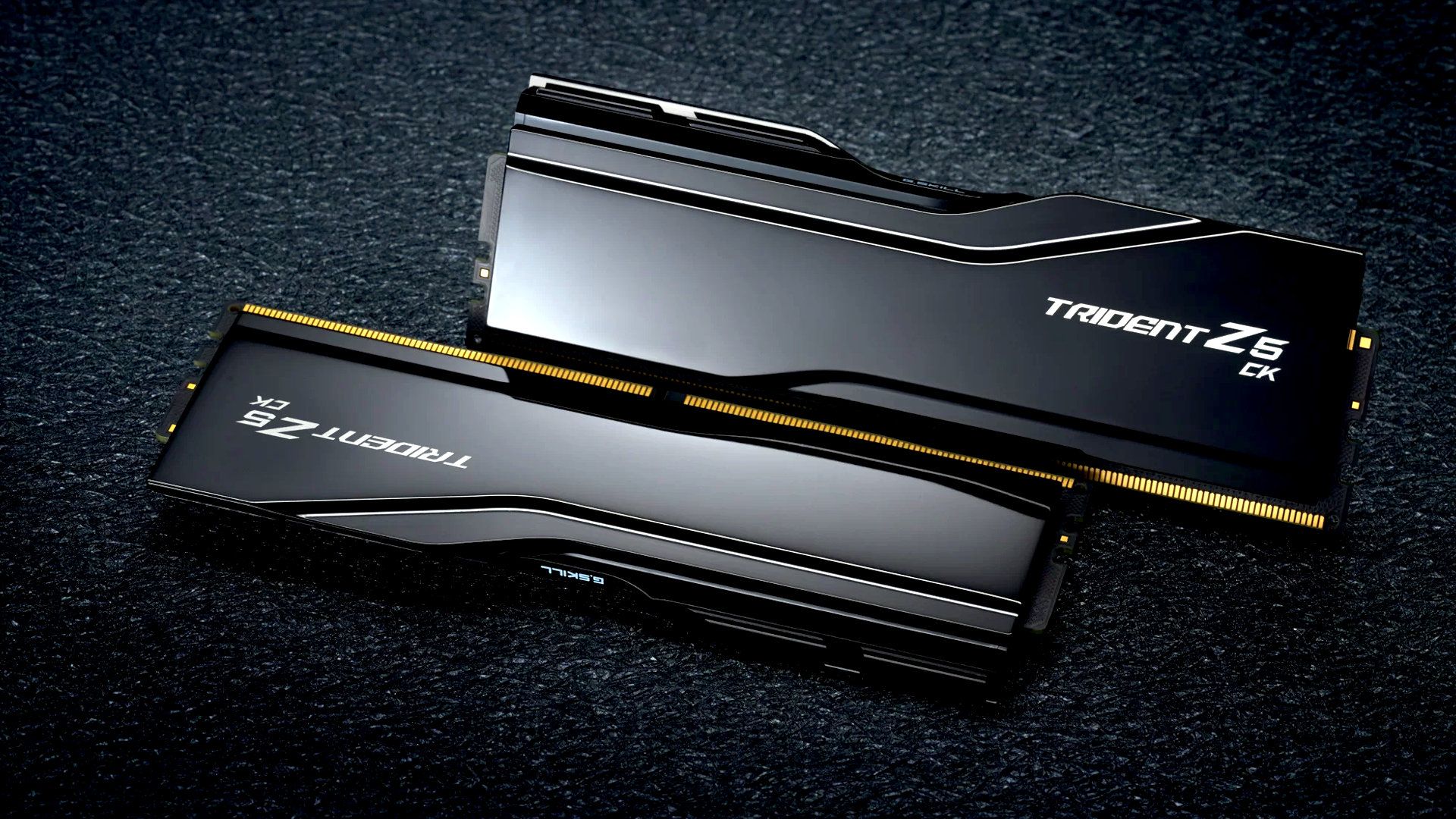
So far, makers of DRAM kits have taken a somewhat binary approach in their responses to the crisis: do nothing or go extreme.
Doing nothing or going hell-for-leather isn't what PC gamers want right now.
You might also wanna read

Analysis: Questioning the Semiconductor Industry's Explanations for DRAM Price Increases
The article examines the recent spike in DRAM prices and questions the semiconductor industry's official explanations. It argues that while
 xda-developers.com·7mo ago
Memory price surge begins to cool as consumers hit affordability limit — AI demand still keeps DRAM and NAND prices climbing through Q3 2026

Memory Manufacturers Shift Focus from Smartphones to Hyperscalers, Threatening 2026 Device Markets
The article analyzes a global memory shortage crisis driven by a fundamental shift in semiconductor manufacturing priorities. Rather than a
 idc.com·6mo ago
AI Industry Demand Drives RAM Price Increases and Global Memory Shortage
The article discusses how the global memory shortage is causing RAM price spikes, primarily driven by AI industry demand. Memory suppliers a
 The Verge·5mo ago
AI Demand Drives Server DRAM Shortages: Prices Up 50%, Order Fulfillment at 70%
Server DRAM prices have surged up to 50% in Q4 as AI-driven demand creates severe memory shortages, with major U.S. and Chinese hyperscalers
 tomshardware.com·8mo ago
Memory shortage drives buyers to legacy DDR2 and DDR3 as AI demand reshapes chip production priorities
The global memory crisis is driving buyers to turn to older, legacy RAM products like DDR2 and DDR3 as chipmakers prioritize production of m
 theregister.com·11d ago
Memory shortage drives buyers to legacy DDR2 and DDR3 as AI demand reshapes chip production priorities
The global memory crisis is driving buyers to turn to older, legacy RAM products like DDR2 and DDR3 as chipmakers prioritize production of m
theregister.com·11d ago
Comments
Sign in to join the conversation.
No comments yet. Be the first.