
























Legal Analysis: Why President Trump Cannot Use Section 122 of Trade Act for Tariffs
If the Supreme Court strikes down nonreciprocal tariffs imposed under the International Emergency Economic Powers Act (IEEPA), the Trump Administration reportedly plans to re-impose some of the…
Read the full articleYou might also wanna read

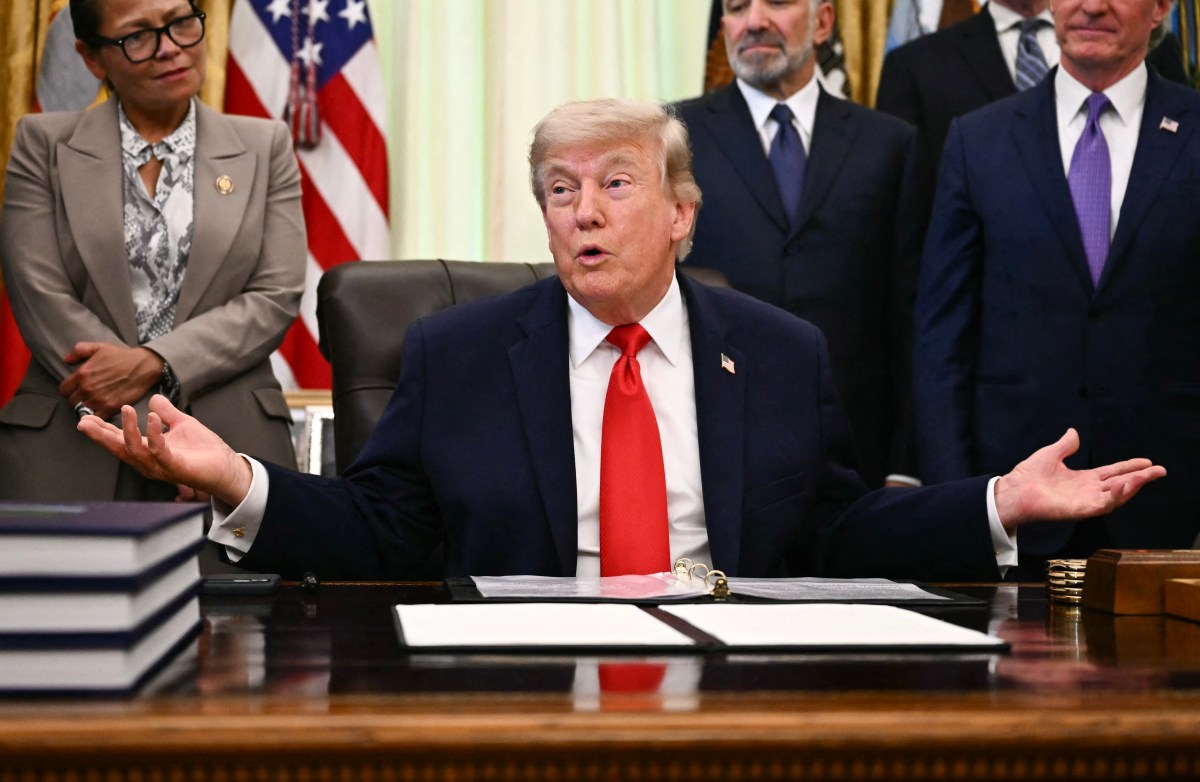
Appeals Court Temporarily Allows Trump's Section 122 Tariffs to Proceed Amid Legal Challenges
The president's Section 122 tariffs were blocked by a lower court, but were allowed to go ahead temporarily on Thursday.
 newsweek.com·1mo ago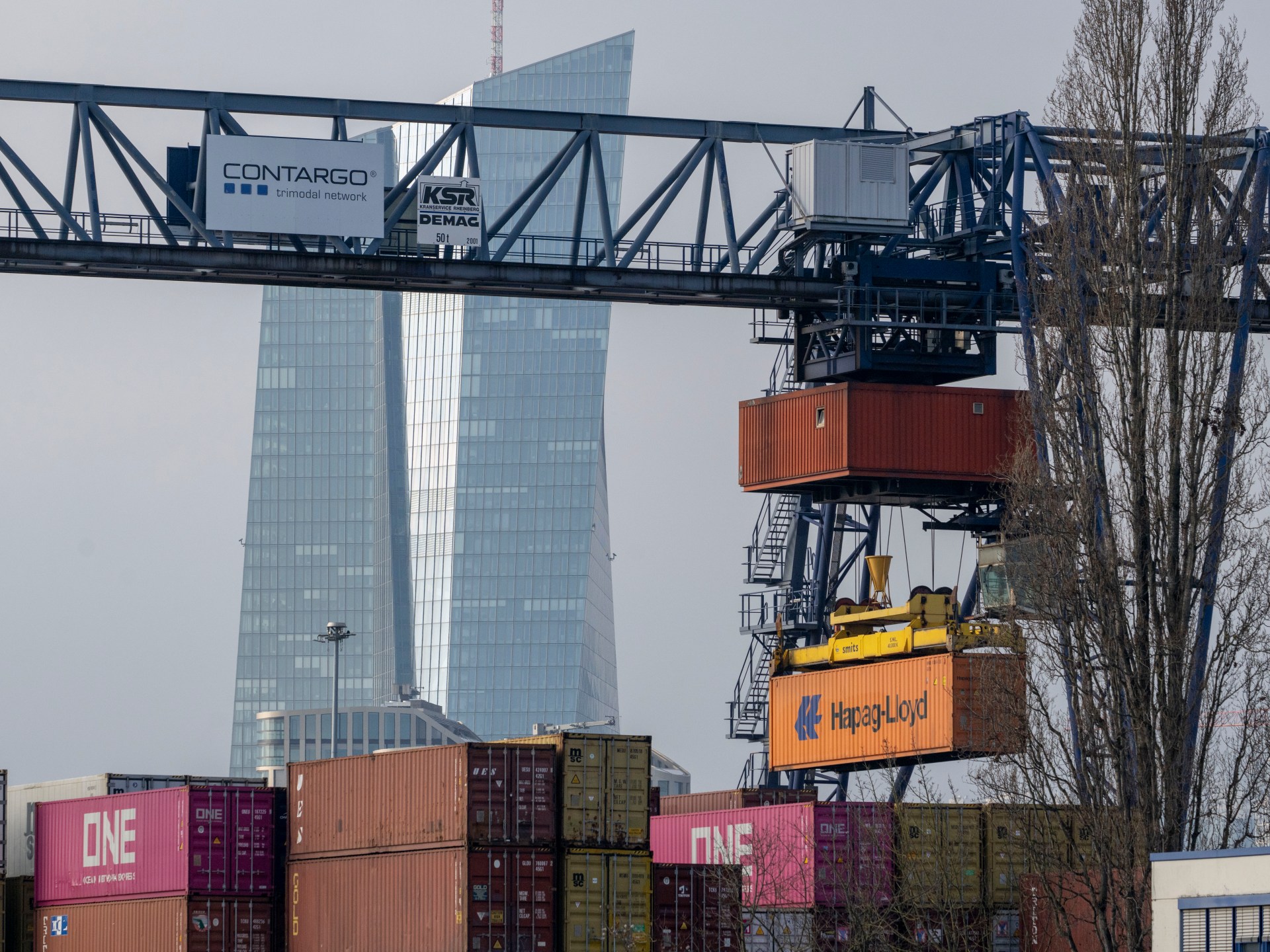
Trump administration relaunches tariff agenda using Section 301 trade law after Supreme Court setback
Trade analysts predict Trump’s latest push could accelerate the ‘reorientation’ of global trade away from the US.
 aljazeera.com·1mo ago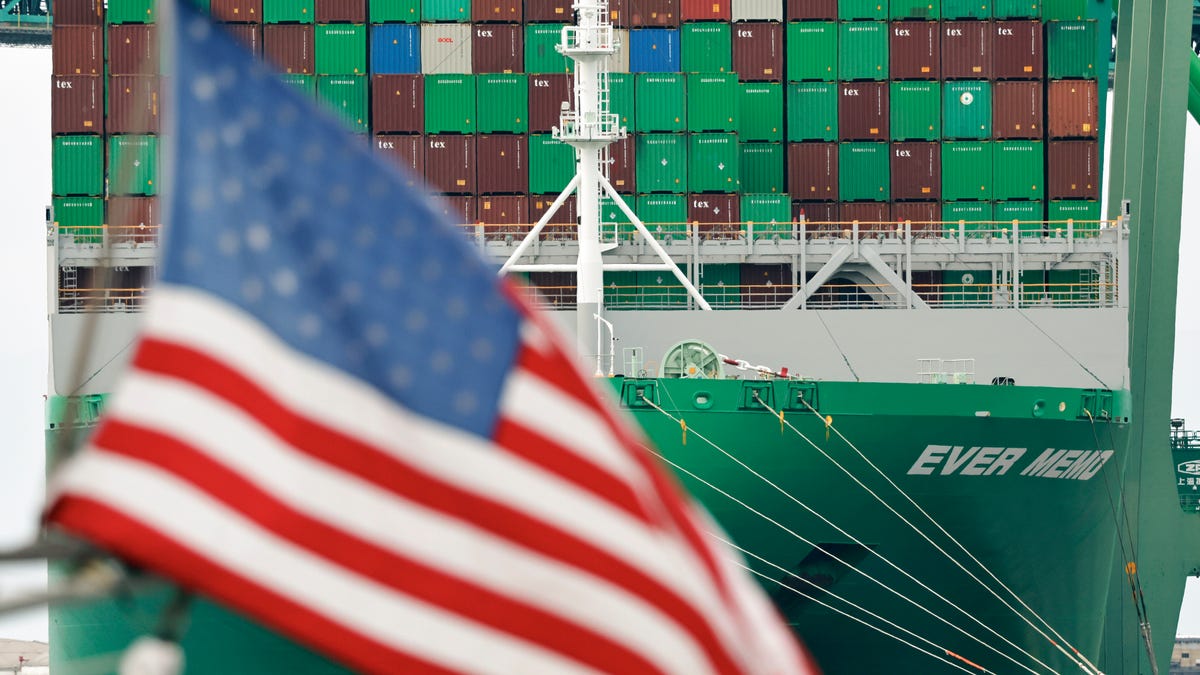
Supreme Court declines to hear challenge to Trump's China tariffs, potentially clearing path for new trade actions
Businesses argued the first Trump administration used a "loophole" to impose tariffs beyond what Congress intended. The Supreme Court reject
 eu.usatoday.com·1mo ago
As a Trump tariff expires, a new one takes its place
(The Center Square) – A federal tariff struck down by a U.S. trade court is set to expire on its own terms July 24, even as the Trump admini
Déjà Vu: Court Strikes Down Trump’s Global Tariffs — Then Temporarily Lets Them Continue
Another major development in the ongoing legal battle over President Trump’s global tariff authority signals that the uncertainty is far fro
Article Content Unavailable: Trump Tariff Stock Trading Story Fails to Load
A close look at Trump’s latest financial disclosure reveals how he turned tariffs into a get-rich-quick scheme.
 apple.news·14d ago
Comments
Sign in to join the conversation.
No comments yet. Be the first.