
























Legal Analysis: First Amendment Implications of Don Lemon's Livestreaming of Minneapolis Church Disruption
The indictment in U.S. v. Levy-Armstrong has been unsealed; I excerpted the key allegations as to the disruption itself in...
Read the full articleYou might also wanna read

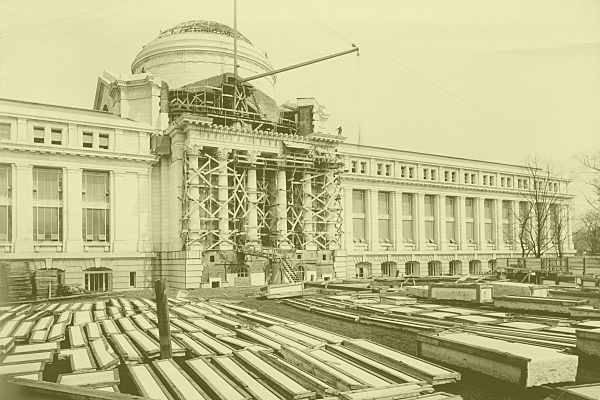
AI-Generated Content and the First Amendment: Legal Challenges Ahead
An abandoned railway track surrounded by lush greenery ends in a dark, cavernous tunnel. This AI-generated image, titled “A Recent Entrance
 knightcolumbia.org·1mo ago
MNSPJ condemns the arrests of journalists Georgia Fort, Don Lemon
The Minnesota Society of Professional Journalists strongly condemns the wrongful arrests of journalists Georgia Fort and Don Lemon for repor

Does AI Have Speech Rights?
Journalists using LLMs should know about the implications for their First Amendment protections.

ABC Defends 'The View' Against FCC Investigation, Citing First Amendment and Editorial Independence
The network filed a response to the FCC's investigation of the show's featuring of political candidates.
 Deadline·9d ago
Federal judge rejects DOJ search warrants targeting journalists Don Lemon and Georgia Fort
The Department of Justice’s blatant disregard for the constitution and attempt to hide the law is disturbing
 theguardian.com·1mo ago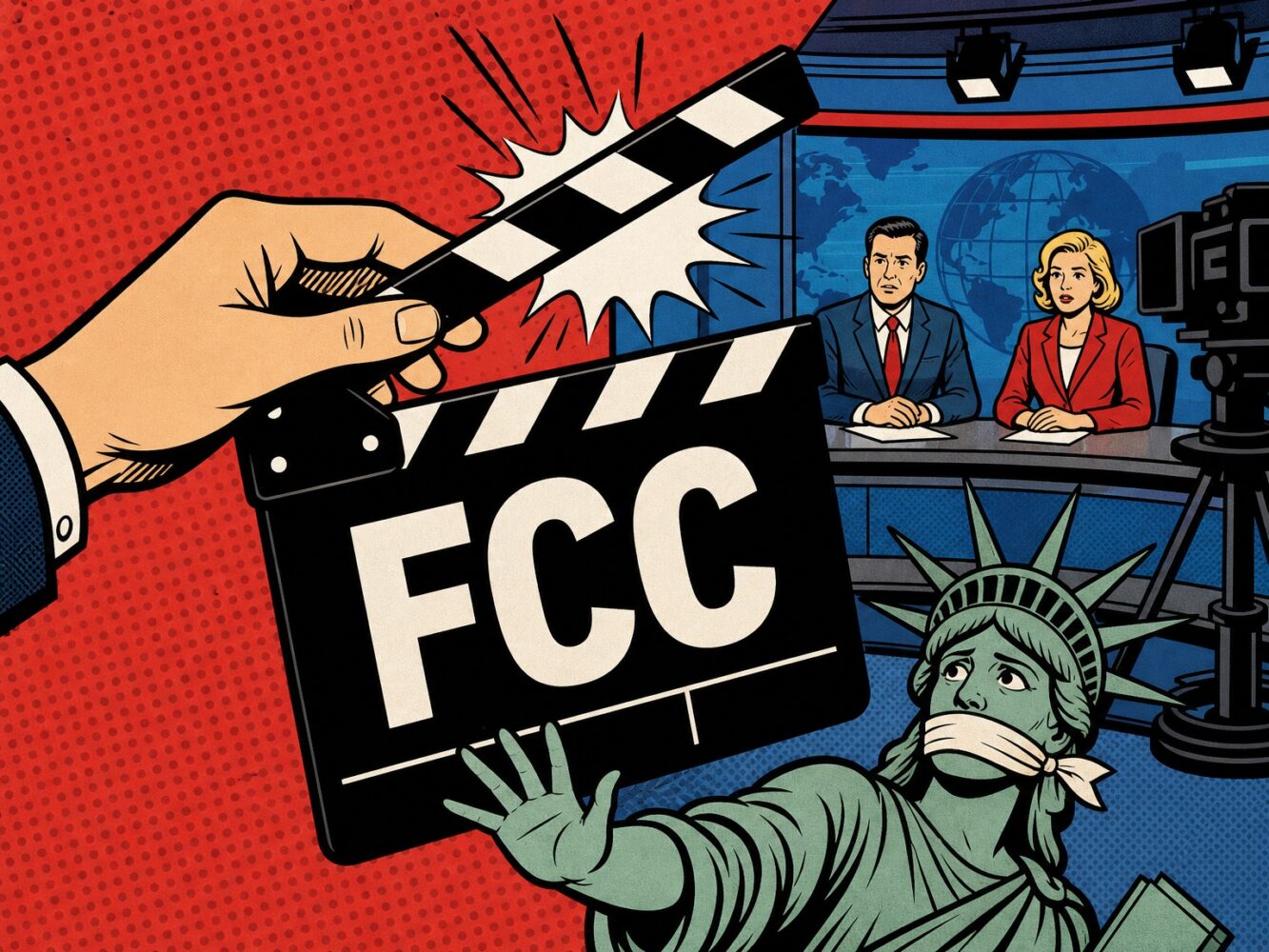
FCC's Actions Against ABC Raise First Amendment Concerns Over Regulatory Censorship
The government does not need to burn books when it can threaten licenses. Why bother with an inquisitor’s bonfire when a regulator’s raised
 truthonthemarket.com·24d ago
Comments
Sign in to join the conversation.
No comments yet. Be the first.