





















Laser-boosted cryo-EM system enables visualization of previously invisible small proteins
By
Elie Dolgin
Summary
Researchers at UC Berkeley have developed a laser-powered upgrade for cryo–electron microscopy (cryo-EM) that enhances contrast, enabling visualization of smaller and more elusive proteins that were previously impossible to see. Cryo-EM already revolutionized structural biology by revealing protein shapes without requiring crystallization, but it struggled with tiny proteins below ~50 kilodaltons. The new system uses a laser to boost electron energy before detection, improving signal-to-noise ratio and potentially opening up new drug targets by making these small proteins visible for the first time.
Source

 bskyLaser-boosted cryo-EM system enables visualization of previously invisible small proteinsscience.org
Key quotes
· 3 pulledBy flash freezing proteins and bombarding them with electrons, cryo–electron microscopy (cryo-EM) has transformed structural biology, revealing the shape of thousands of proteins that were impossible to crystallize and decode through traditional x-ray analysis.
Now, a laser-powered upgrade could extend the technique's reach even further, bringing some of its smallest and most elusive targets into view.
Researchers at the University of California (UC), Berkeley report developing a contrast-boosting cryo-EM system that incorporates...
You might also wanna read


Laser phase plate enhances cryo-EM resolution for small protein structure determination
This article presents research demonstrating that a laser phase plate (LPP) installed in a Titan Krios cryo-EM microscope significantly impr
 scim.ag·3d ago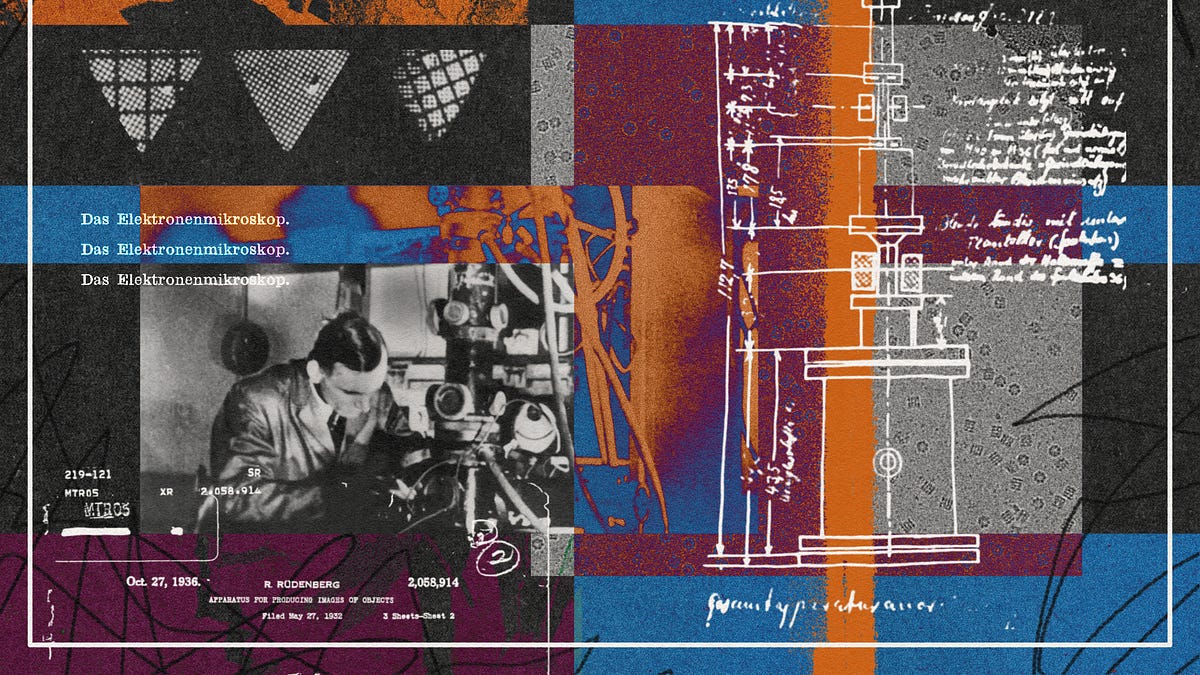
The Evolution of Electron Microscopy: From Virus Resolution to Atomic Detail
The article explores the evolution of electron microscopy over a century, tracing its development from a tool barely capable of resolving vi
 asimov.press·7mo ago
Nanocrystal Light Emission Reveals Quantum Zero-Point Motion in Atomic Lattice
Researchers have observed unexpected light emission from a nanocrystal cooled to near absolute zero, which is shown to arise from quantum fl
 physics.aps.org·7mo ago
Researchers Develop Materials for Light-Based Computer Chips to Improve Efficiency and Speed
Researchers are developing light-based computers that use photons instead of electricity, which could offer greater energy efficiency and fa
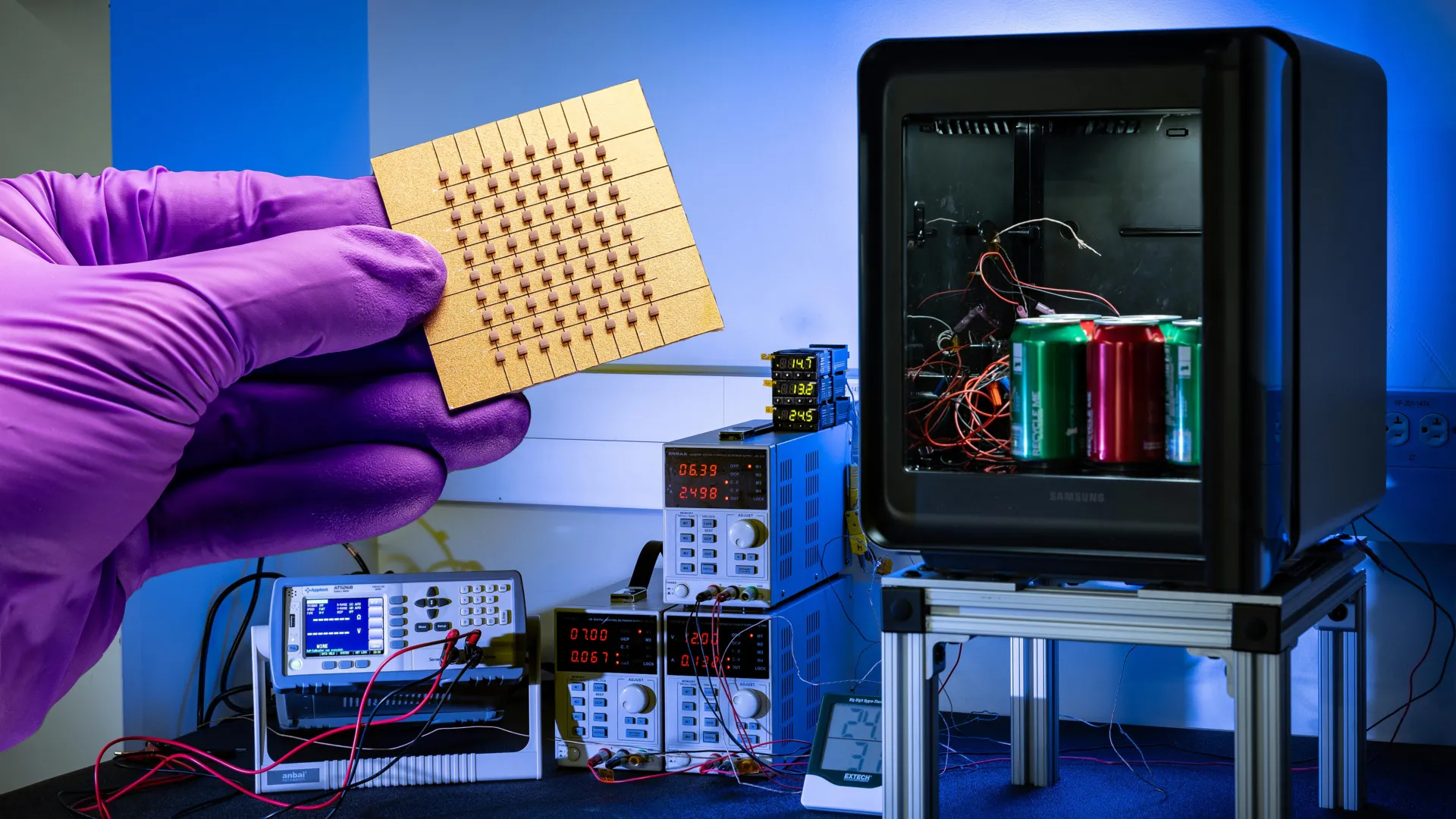
Johns Hopkins Researchers Develop Thermoelectric Cooling Technology with Double Efficiency
Researchers at Johns Hopkins Applied Physics Laboratory have developed a new solid-state thermoelectric refrigeration technology using nano-

Minicule: AI-Powered Platform for Biomedical Research Visualization and Knowledge Graph Creation
Minicule is an AI-powered research web application that connects to major scientific databases including PubMed, OpenAlex, and USPTO. The pl
 Product Hunt·11mo ago