
























Large-scale study finds vegetarian diets linked to lower risk of five cancer types
By
AICR
Summary
A major new study funded by World Cancer Research Fund, led by Oxford Population Health's Cancer Epidemiology Unit, pooled data from over 1.8 million people across three continents through the Cancer Risk in Vegetarians Consortium — the largest ever study of non-meat diets and cancer. The findings show that vegetarian diets are associated with lower risks of five specific cancer types compared to meat eaters, offering significant public health implications given the 8–10 million vegetarians in the US and growing global interest in plant-based eating.
Source

 Twitter / XLarge-scale study finds vegetarian diets linked to lower risk of five cancer typesaicr.org
Key quotes
· 3 pulledThis could help many people stay healthy, as there are 8–10 million vegetarians in the United States and interest in plant-based eating is growing globally.
They pooled data from more than 1.8 million people across three continents through the Cancer Risk in Vegetarians Consortium, which is the largest ever study of non-meat diets and cancer.
World Cancer Research Fund found that vegetarians had lower risks of five types of cancer compared with meat eaters
You might also wanna read


World's Largest Review Links Ultra-Processed Foods to Harm in Every Major Organ System
A comprehensive scientific review, the world's largest on ultra-processed foods (UPFs), finds they are linked to harm in every major organ s
 theguardian.com·7mo ago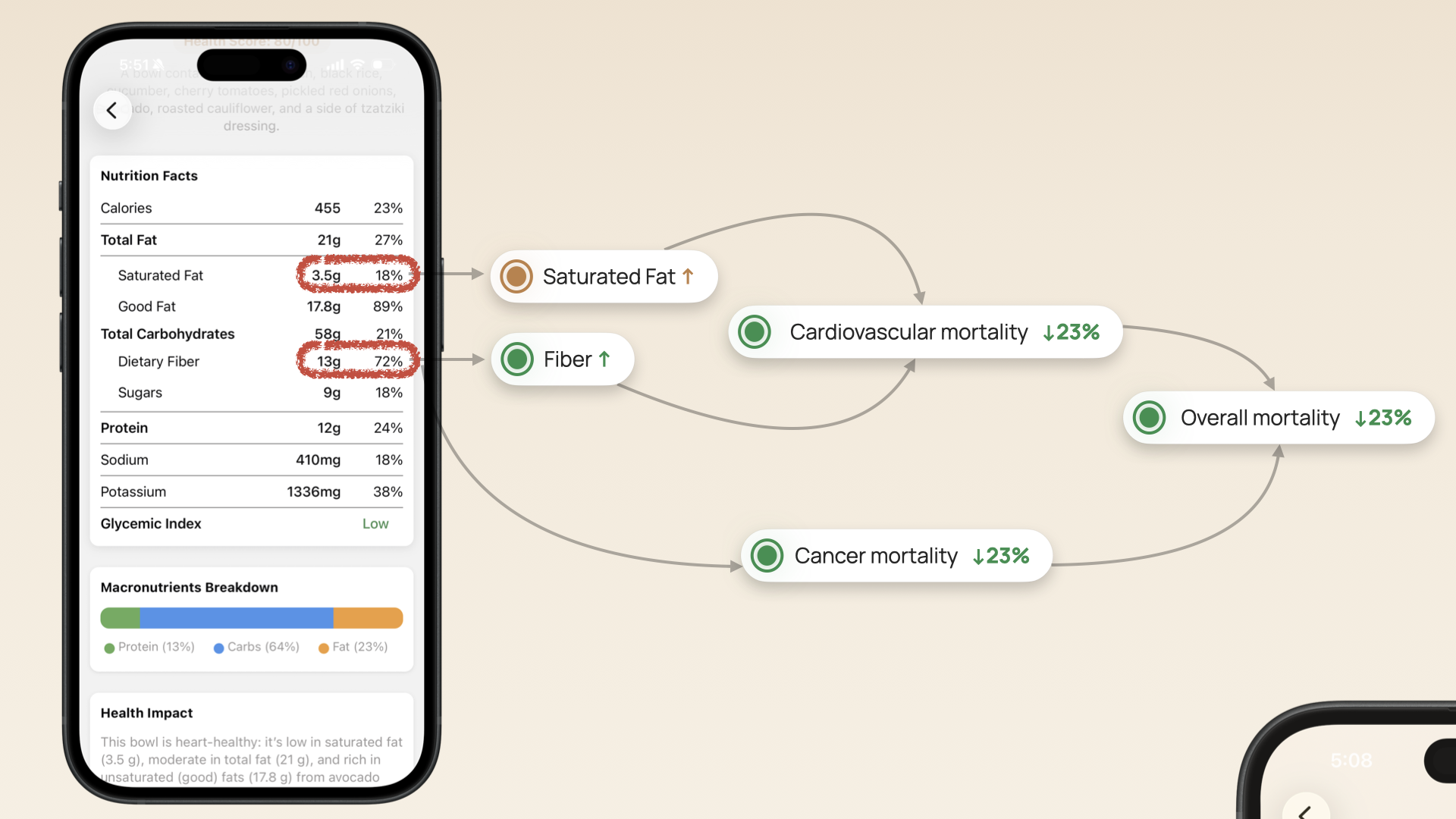
Meta-analysis: Fiber Reduces Overall Mortality by 23%, Cardiovascular Death by 26%, and Cancer Risk by 22%
A meta-analysis of 64 studies with over 3.5 million subjects found that fiber intake reduces overall mortality by 23%, cardiovascular mortal
 empirical.health·7mo ago
Carnivore diet study retracted; author argues for vegetables and against diet misinformation
This article discusses the retraction of a study that was used to support the carnivore diet, popularized by Jordan Peterson and his daughte
 skepchick.org·1mo ago
WHO Analysis: Over a Third of Global Cancer Cases Are Preventable
A WHO analysis reveals that over a third of all cancer cases globally are preventable, with lung, stomach, and cervical cancers accounting f
 ow.ly·27d ago
Popularity bias in species selection threatens validity of comparative oncology research
This article examines how scientific and public popularity of certain species introduces significant biases in comparative oncology research
 doi.org·22d ago
Global rise in early-onset cancers demands new prevention-focused research framework
Early-onset cancers (diagnosed before age 50) are rising rapidly worldwide, with 75% of 42 countries reporting increases in six cancer types
Comments
Sign in to join the conversation.
No comments yet. Be the first.