
























How the Koch Brothers Built a $100 Billion Empire and Reshaped American Politics
In a new book, Christopher Leonard chronicles how Koch Industries acquired huge businesses, limited its liability and created a political influence network to remake the GOP.
Read the full articleYou might also wanna read


Silicon Valley Billionaires Launch AI Super PACs to Influence US Politics
In the latest issue of Regulator, Tina Nguyen unpacks the incentives behind Silicon Valley’s new AI super PAC.
 The Verge·10mo ago
Meta Creates California Super PAC to Influence AI Industry Politics
Thanks to a unique corporate ownership structure that gives him complete control of Meta, Mark Zuckerberg has essentially created his own pe
The Verge·10mo ago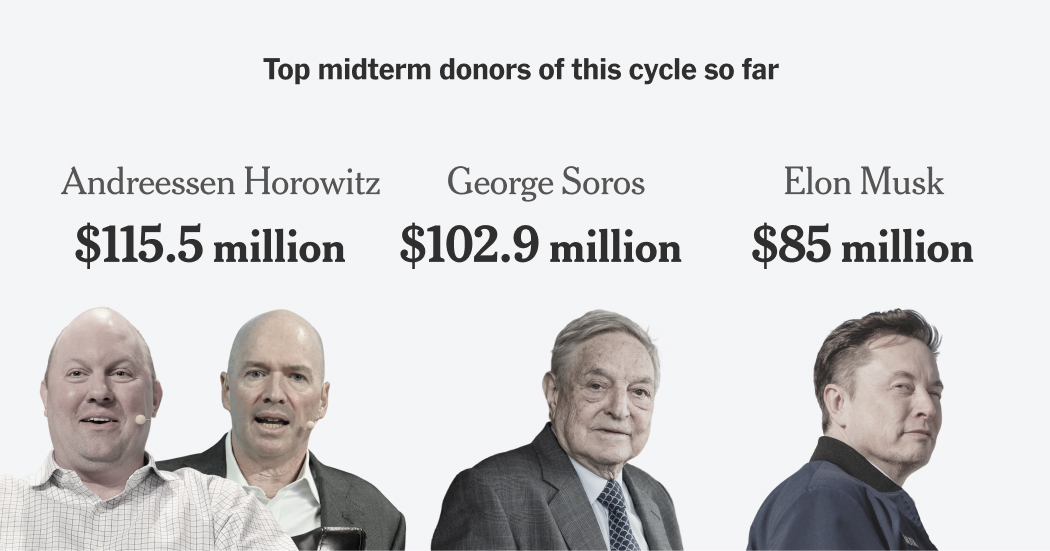
Andreessen Horowitz Becomes Top Political Spender in Midterm Cycle with $115.5 Million
“If you think there’s a lot of money in politics now,” Marc Andreessen said in 2000, “you haven’t seen anything yet.” His firm is now the bi
 nytimes.com·2mo ago
How Billionaires Are Made: Paul Graham on Wealth Creation Through Startups
(This is based on a talk I gave at the Oxford Union.)
 paulgraham.com·1mo ago
How Elon Musk Became More Powerful Than Ever
The authors of Muskism break down the beliefs, business strategy, and political influence behind the world’s richest man.
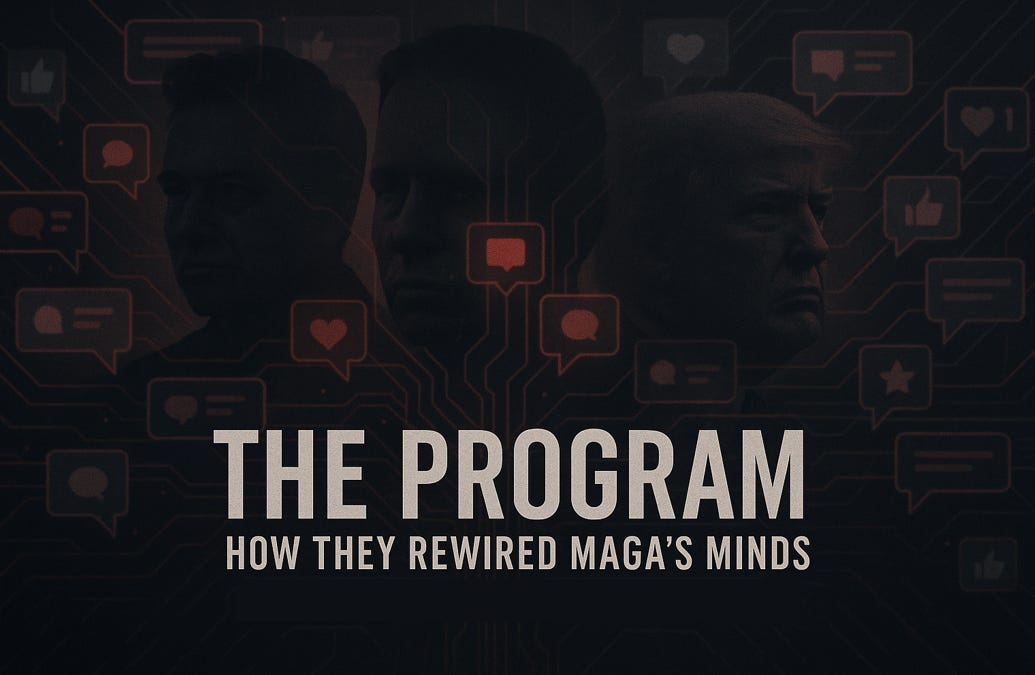
Conspiracy Briefing Alleges Billionaire Tech Network Engineered MAGA Influence Operations
How They Rewired MAGA’s Minds
 magacultslayer.substack.com·12d ago
Comments
Sign in to join the conversation.
No comments yet. Be the first.