
























How Paris is using Seine River water in a district cooling network to reduce air conditioning reliance
By
Guardian staff reporter
Summary
Paris is pioneering a large-scale district cooling network using water from the Seine River to replace traditional air conditioning. The system, which began planning in the 1990s, now spans 120km of underground pipes distributing chilled water to major landmarks like the Louvre and Grand Palais, as well as hospitals, schools, and offices. The city plans to triple the system's capacity, offering an energy-efficient and environmentally friendly alternative to individual AC units as heatwaves intensify across Europe.
Source

 bskyHow Paris is using Seine River water in a district cooling network to reduce air conditioning reliancetheguardian.com
Key quotes
· 2 pulled'Kind of miracle solution'
Instead of thousands of individual air-conditioning units, cooling is produced centrally and shared across the city like a utility.
You might also wanna read

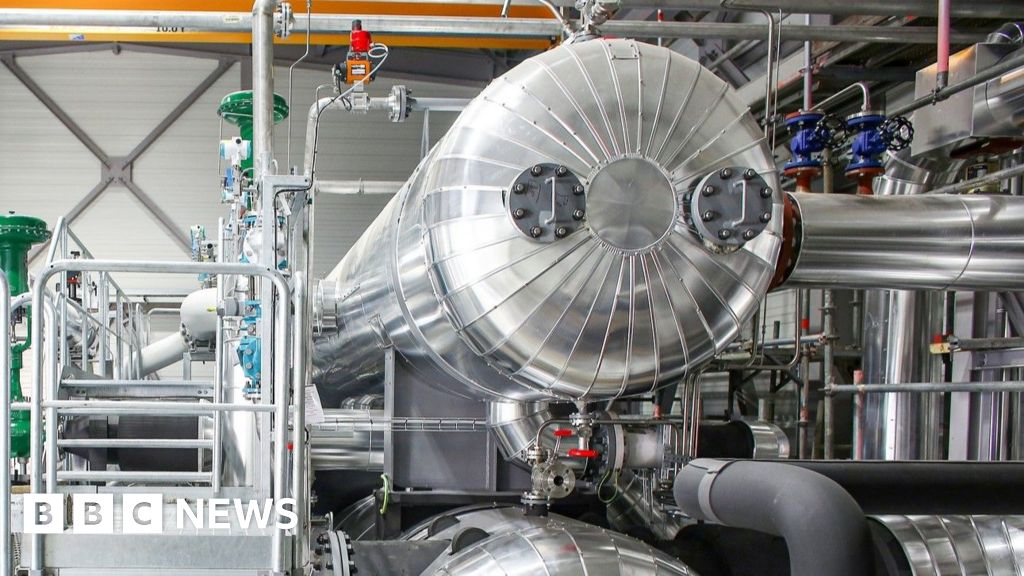
Large-Scale District Heating: Europe's Massive Heat Pump Systems for Community Heating
The article discusses the deployment of massive industrial-scale heat pumps across Europe that can heat tens of thousands of homes. These di
 bbc.com·6mo ago
Large-Scale District Heating: Europe's Massive Heat Pump Systems for Community Heating
The article discusses the deployment of massive industrial-scale heat pumps across Europe that can heat tens of thousands of homes. These di
bbc.com·6mo ago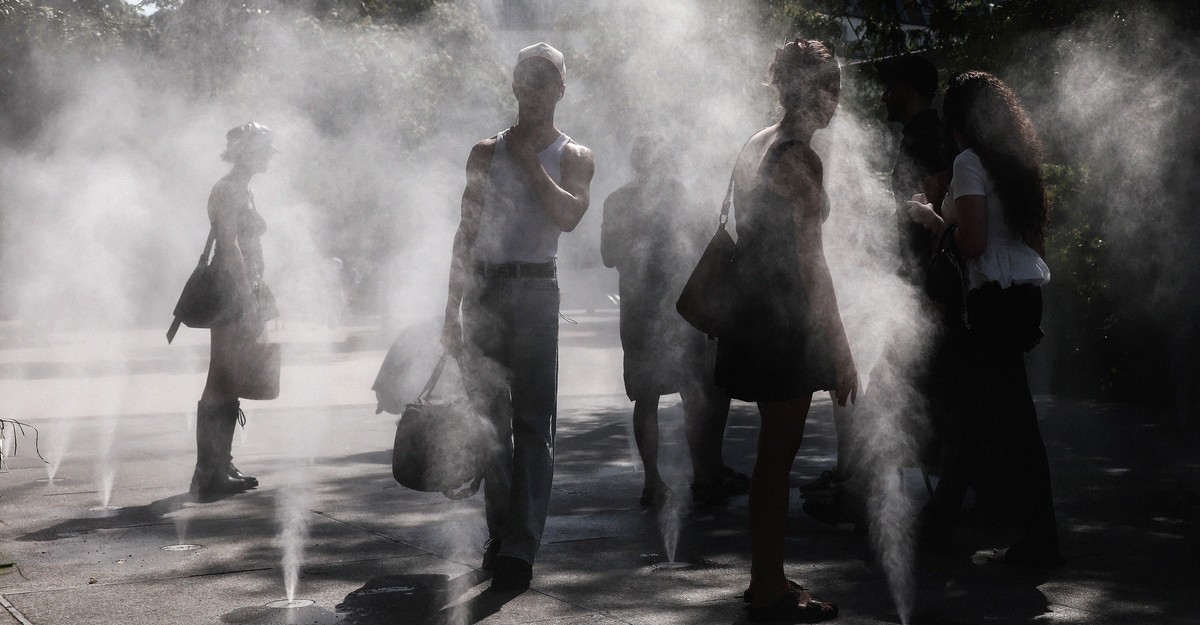
Europe's Infrastructure Struggles as Record Heat Wave Hits Paris and Beyond
Europe is experiencing a brutal and dangerous heat wave, with temperatures reaching triple digits (Fahrenheit) across many regions. The arti
 theatlantic.com·8d ago
River Seine in Paris Reopens for Swimmers After Century-Long Ban
The River Seine in Paris reopens for swimmers after a century-long ban, allowing bathers to enjoy the iconic waterway following a cleanup ef
lemonde.fr·1y ago
Paris Landmarks Close Early as France Endures Record-Breaking Heat Wave
France is experiencing a record-breaking heat wave with temperatures reaching nearly 112°F (44.4°C) in the south. In response, major Parisia
 artforum.com·10d ago
After record-breaking heatwave: Splish-splash! Parisians and tourists soak in the Seine

Comments
Sign in to join the conversation.
No comments yet. Be the first.