
























KERNHELM: Plan-Bound Authorization Architecture for Governing Privileged Effects in Untrusted AI Agents
plan-bound authorization architecture for governing privileged effects in untrusted computational agents. - Deso-PK/make-trust-irrelevant
Read the full articleYou might also wanna read


Human-Anchored Intent-Bound Delegation for AI Agents
Today, I submitted comments to NIST's National Cybersecurity Center of Excellence on its concept paper on AI agent identity and authorizatio
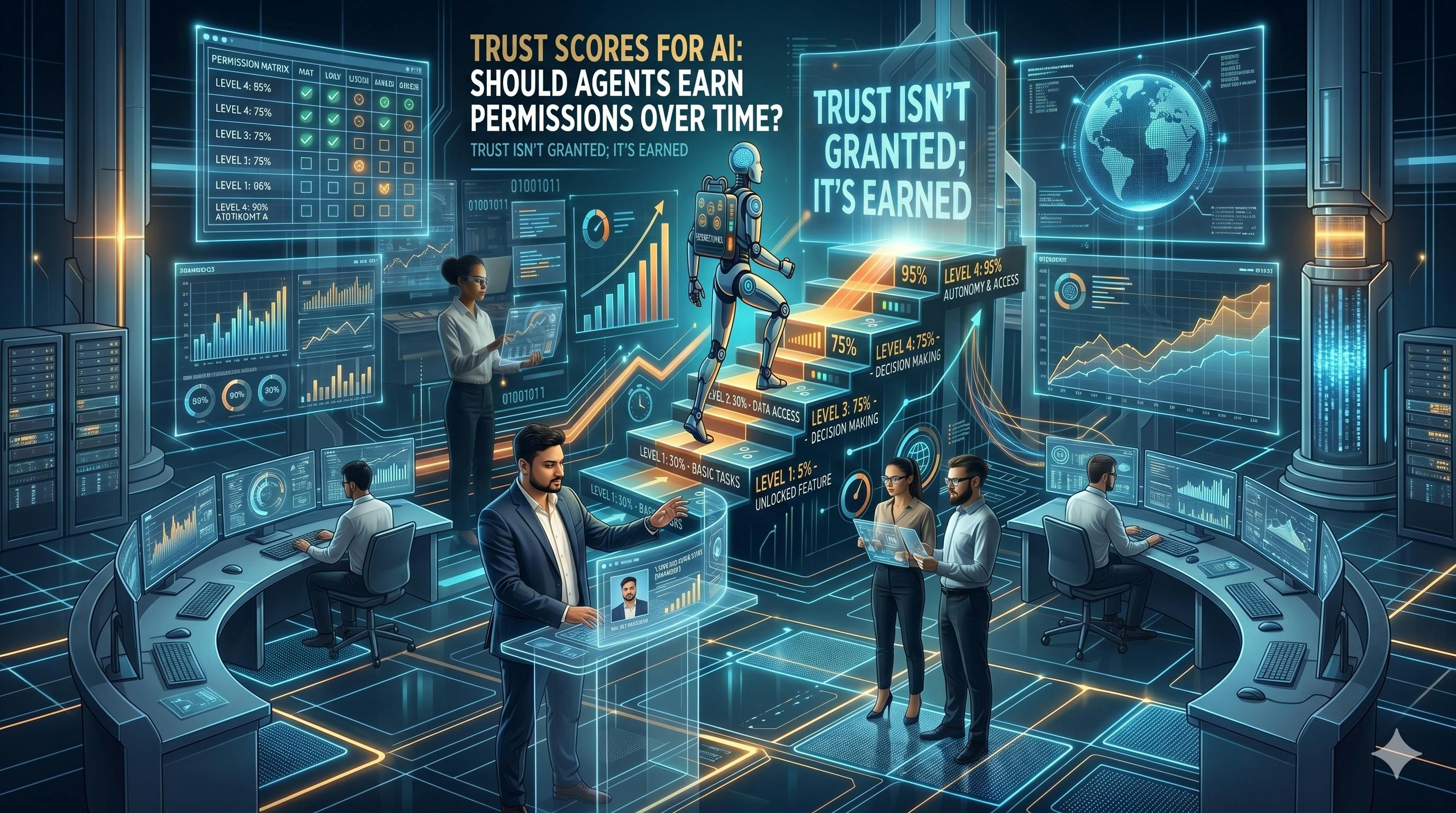
Trust Scores for AI Agents: A Framework for Graduated Permissions Based on Behavioral Evaluation
Behavior is the new credential. See how trust scoring helps enterprises evaluate AI agents continuously and unlock safer, more scalable auto
How to preserve user permissions in API integrations for AI agents and RAG
An architectural overview of preserving User access-control permissions and roles in API integrations for AI agents and RAGs
Securing the Swarm: Governance, Attack Surfaces, and Zero-Trust Architectures in Multi-Agent AI Environments
EXECUTIVE SUMMARY Enterprise artificial intelligence has transitioned from isolated, static Large Language Model (LLM) prompts to dynamic, m

Token-Flow Firewall: Semantic Runtime Auditing for Persistent AI Agents
arXiv:2607.08395v1 Announce Type: cross Abstract: Persistent AI agents extend large language models (LLMs) beyond single-turn interaction in
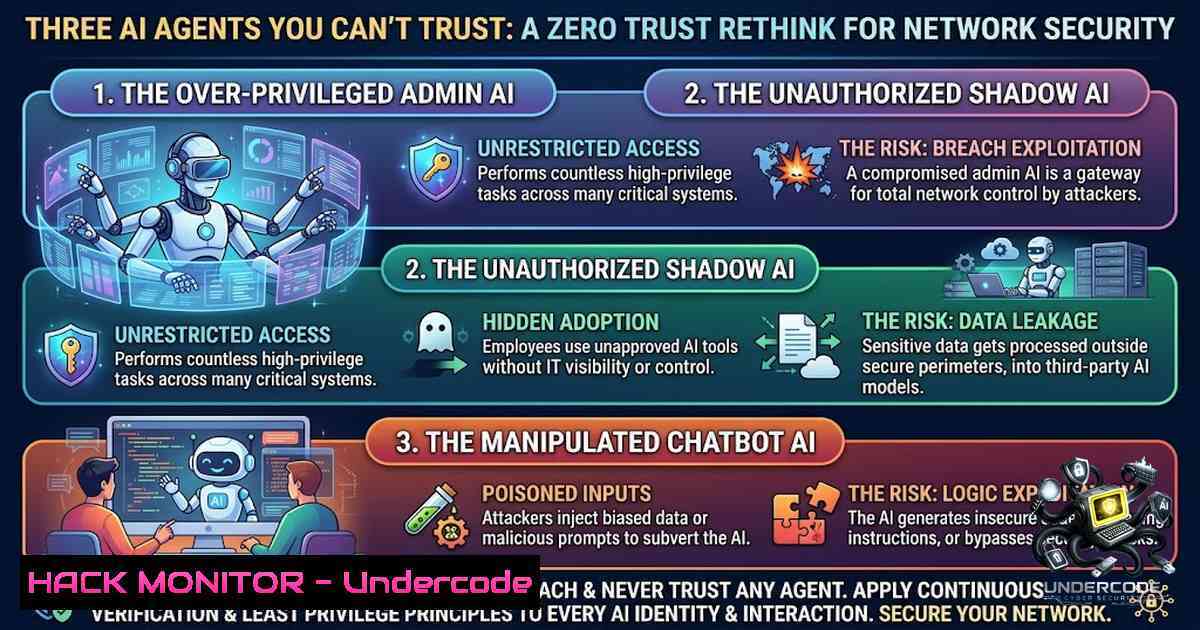
Rethinking Zero Trust Security for the Agentic AI Era: Three AI Agent Threats and Context-Based Defense
Three AI Agents You Can't Trust: The Zero Trust Rethink That Will Save Your Network (Or Kill It) + Video - "Undercode Testing": Monitor hack
 undercodetesting.com·1mo ago
Comments
Sign in to join the conversation.
No comments yet. Be the first.