
























Jungian Psychology: A Complete Guide to Jung’s Analytical Approach
Jungian psychology is the study of the psyche—the totality of the mind, soul, and unconscious processes that shape human behavior. Why do we see ourselves one way while behaving another? Why can we…
Read the full articleYou might also wanna read


Frase do dia da Psicologia: 'O ego prefere inventar culpados a admitir as próprias falhas' - a reflexão inspirada na obra de Carl Jung sobre mecanismos de defesa
O pensamento inspirado na psicologia analítica convida a refletir sobre como o ego pode criar justificativas para proteger a própria imagem,
The Six Systems Model – Part 1: Closing the Gaps in Personality
2-Minute Overview What It Is A distinctive framework that merges personality traits with intelligence, grounded in neuroscientific research
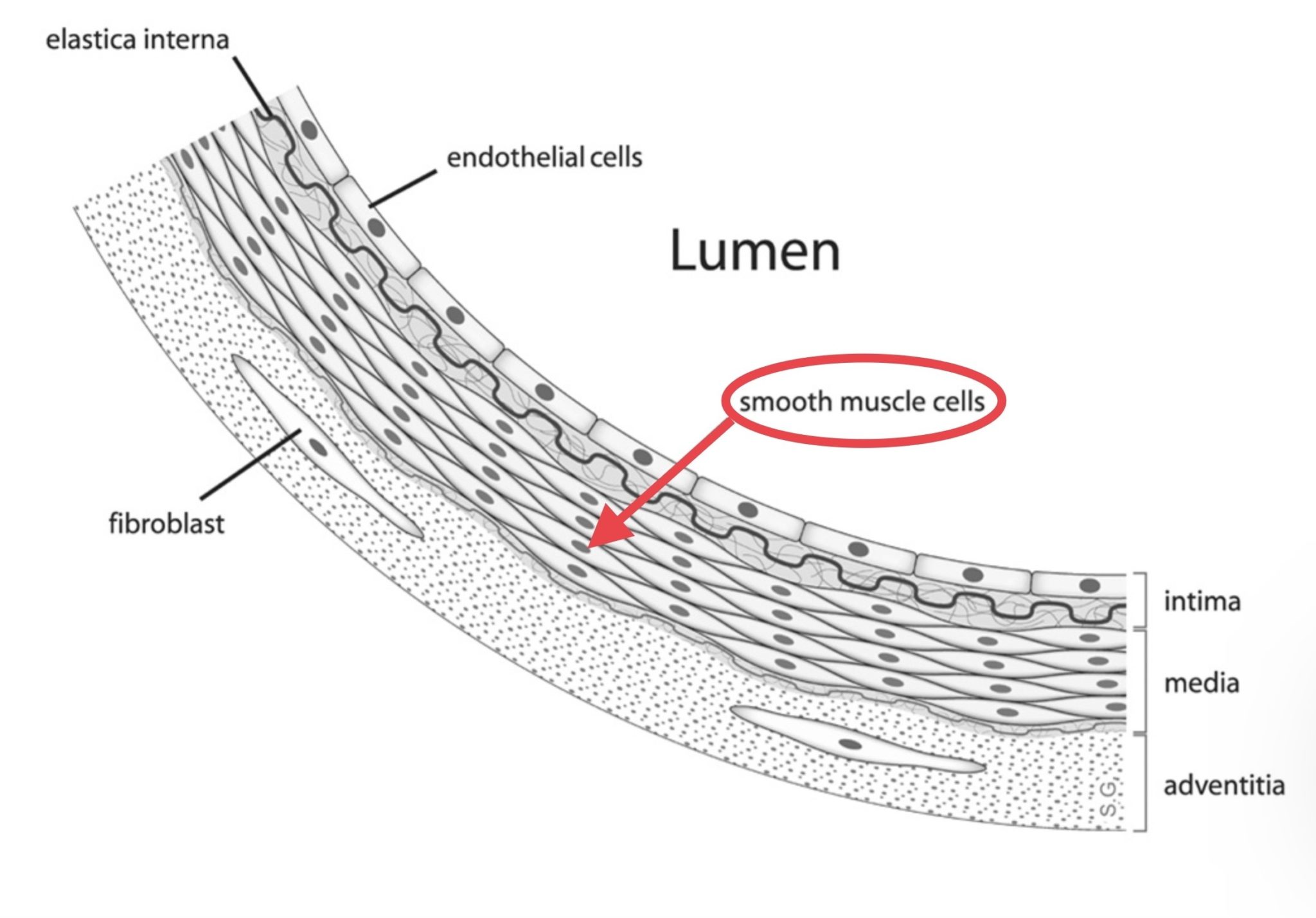
Integrating Buddhist Phenomenology, Active Inference Theory, and Physical Reflexes: A Framework for Understanding Suffering and Cognition
A unification of Buddhist phenomenology, active inference, and physical reflexes; a practical theory of suffering, tension, and liberation;
 opentheory.net·7mo ago
How psychedelics may reveal the brain's mechanisms for generating consciousness
“As a neuroscientist, I’m encouraged that this could be a window into how your brain generates consciousness through your lived reality.”
 popularmechanics.com·15d ago
Why psychology, psychoanalysis, and Eastern philosophy are essential to understanding AI
Psychology, psychoanalysis, Buddhism, and other speculative paradigms such as shamanism, panpsychism, and collective consciousness should be
 psychologytoday.com·2d ago
Buddhist Monk and Neuroscientist Discuss Meditation, Consciousness, and the Unconscious Mind
An excerpt from "Beyond the Self: Conversations between Buddhism and Neuroscience."
 thereader.mitpress.mit.edu·5mo ago
Comments
Sign in to join the conversation.
No comments yet. Be the first.