
























Scientist decodes zebra finch calls, winning prize for animal communication research
By
Claire Cameron
Summary
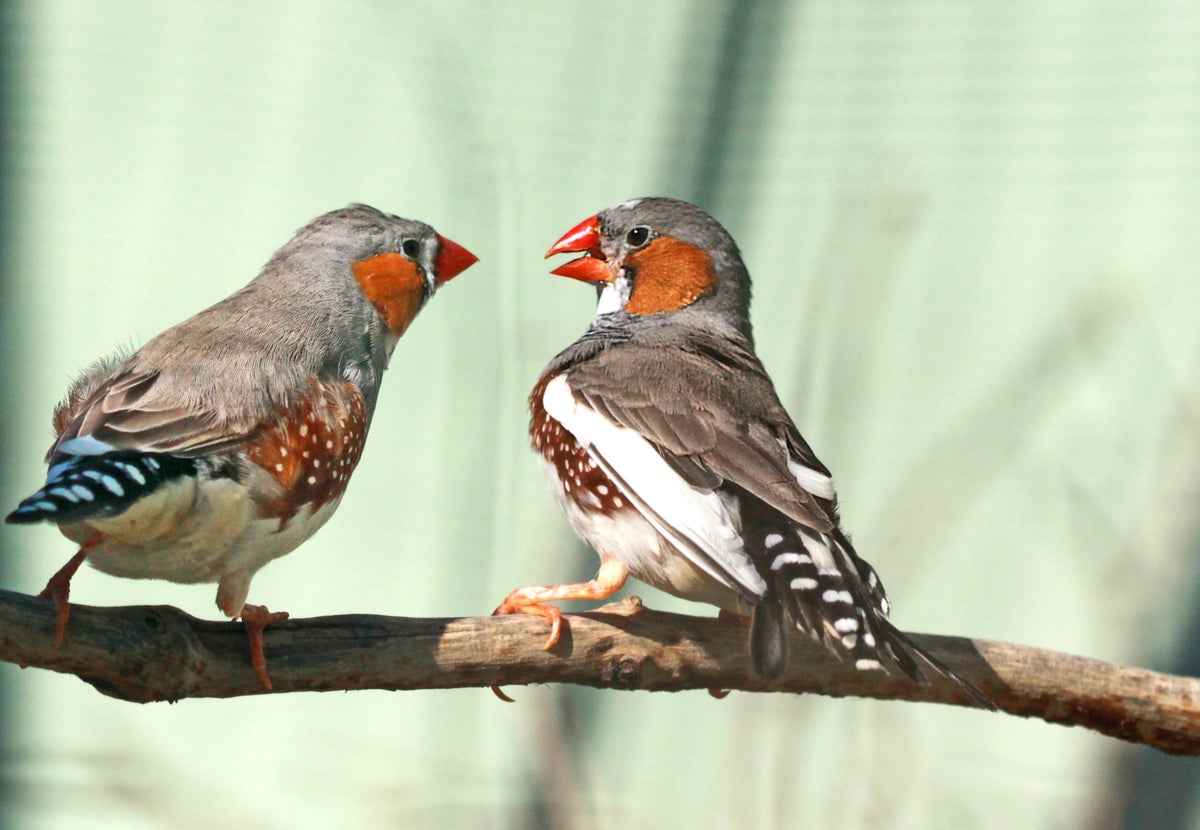
Julie Elie, a researcher at UC Berkeley, has spent years studying the vocalizations of zebra finches beyond their well-known mating songs. Through painstaking observation, she identified 11 core calls that make up the zebra finch vocabulary, including calls for distress and other social communications. Her work has earned her the Coller-Dolittle Prize, which recognizes progress toward a future where humans can communicate with animals. The article explores how decoding animal communication systems could one day bridge the interspecies language gap.
Source
 Twitter / XScientist decodes zebra finch calls, winning prize for animal communication researchspklr.io
Key quotes
· 3 pulledUsing data collected over years of painstaking observation, Elie discovered 11 core calls that make up the zebra finch vocabulary, such as calls for distress
Elie, a researcher at the University of California, Berkeley, spends her time listening in on the finches' other vocalizations, though: the more quotidian calls and chirps they make to communicate with each other
These chatty little birds are a popular animal model for studying communication, but most research focuses on the males' complicated songs
You might also wanna read


Scientist wins $100,000 prize for decoding zebra finch communication
Dr. Julie Elie at UC Berkeley won the 2026 Coller-Dolittle prize for decoding the 11 core calls in the zebra finch vocabulary and their mean
 theguardian.com·9d ago
Caltech researchers use zebra finch genetic element to improve plant engineering for climate resilience
Caltech researcher Gözde Demirer and her team have discovered a novel solution to a persistent problem in plant genetic engineering by borro
 caltech.edu·2h ago
Briefing Chat: What tickling a chimpanzee can tell us about the evolution of speech

Decoding Whale Speech: Potential Universality in AI Models
Project CETI is a large-scale effort to decode whale speech with the potential for AI models to learn a universal language for communication
blog.jxmo.io·11mo ago
Animal talk: How AI is helping us understand other species

Environmental drivers of fish chorusing in California marine sanctuaries: temperature, upwelling, and habitat effects
This scientific study analyzes ~16 cumulative recording-years of passive acoustic data (2018-2022) from seven sites in Monterey Bay and Chan
 academic.oup.com·17d ago
Comments
Sign in to join the conversation.
No comments yet. Be the first.