
























JBS owner urged Lula to ban more antimicrobials in livestock
4h agopt
From the article
Joesley Batista Michael Nagle/Bloomberg The European Union’s ban on Brazilian meat exports over the country’s antimicrobial controls has become such a concern for the industry that it prompted direct intervention by Joesley Batista, controlling shareholder of global food giant JBS. Batista, together with the company’s CEO, Gilberto Tomazoni, personally urged President Lula to prohibit the use of additional antimicrobials in both poultry and cattle production, according to industry sources. Farm lending falls as more turn to bonds Orange juice export revenue plunges The request was made before the associations representing Brazil’s beef exporters (Abiec) and poultry exporters (ABPA) formally asked the Ministry of Agriculture in early June to expand the list of antimicrobials banned in Brazil, the sources said. According to them, the content of the letter submitted by the associations also originated with Batista. The proposal was intended to demonstrate to European authorities that Brazil was strengthening its antimicrobial controls. JBS declined to comment. In May, the European Commission announced that it had removed Brazil from the list of countries authorized to export animal products—including meat, fish, and honey—to the bloc. The EU argues that Brazil does not meet its requirements regarding the use of antimicrobials in animal production. The suspension takes effect in September. The EU decision has triggered disagreements among the government, the meat industry and cattle producers. Critics argue that the Ministry of Agriculture failed to provide the guarantees requested by European authorities over the past three years. The ministry, in turn, says the private sector should have implemented production segregation systems to comply with European requirements. Cattle producers oppose expanding the list of banned drugs, arguing that some antimicrobials prohibited by the EU but still permitted in Brazil are essential for raising cattle whose beef is exported to other markets. On Wednesday (8), representatives from the meat industry, cattle producers and the government met at the Brazilian Confederation of Agriculture (CNA) in Brasília to coordinate a response. Participants discussed whether Brazil should segregate animals destined for the European market or ban the additional antimicrobials nationwide. Further meetings are scheduled in the coming weeks. According to one source, however, the Ministry of Agriculture is currently inclined to support broader restrictions on antimicrobials, in line with the meatpackers’ proposal. Shortly after the European Commission’s decision, the Brazilian government presented European officials with a private traceability protocol approved by the ministry that tracks animals from birth to slaughter. Because cattle have a much longer production cycle than poultry, the ministry requested a transition period, noting that calves born now would not become eligible for certification for at least two years. The proposal would have allowed continued exports of beef from traceable animals certified as having received no restricted antimicrobials during the final nine months of their lives, with full compliance for all exports by 2029. European authorities rejected the plan. The annual impact of the suspension on Brazil’s beef sector is estimated at $1 billion.
Continue reading on Extra OnlineYou might also wanna read


EU rejects Brazil's gradual transition proposal, upholds ban on Brazilian animal product exports starting September 3
The European Union has formally rejected Brazil's request for a gradual transition in antimicrobial use in livestock, upholding a ban on Bra
 en.clickpetroleoegas.com.br·1mo ago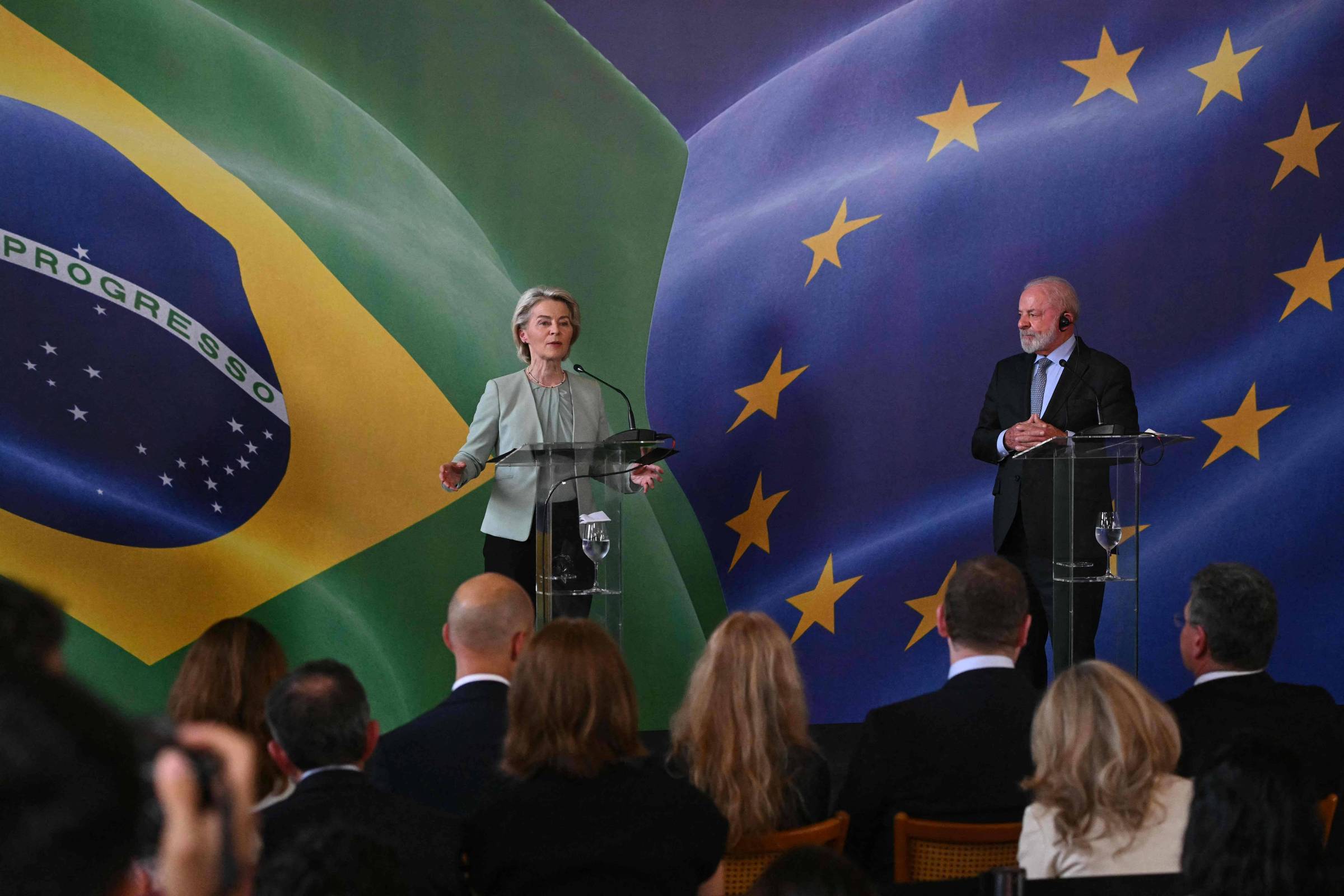
EU spokesperson says Brazil could have avoided meat import ban but failed to adapt
The European Union warned Brazil for three to four years about potential import bans on beef and soy, but Brazil and its agricultural sector
 www1.folha.uol.com.br·1mo ago
Asaja exige cerrar las importaciones de carne de Brasil tras las alertas por sustancias prohibidas en la UE
Infobae·1d ago
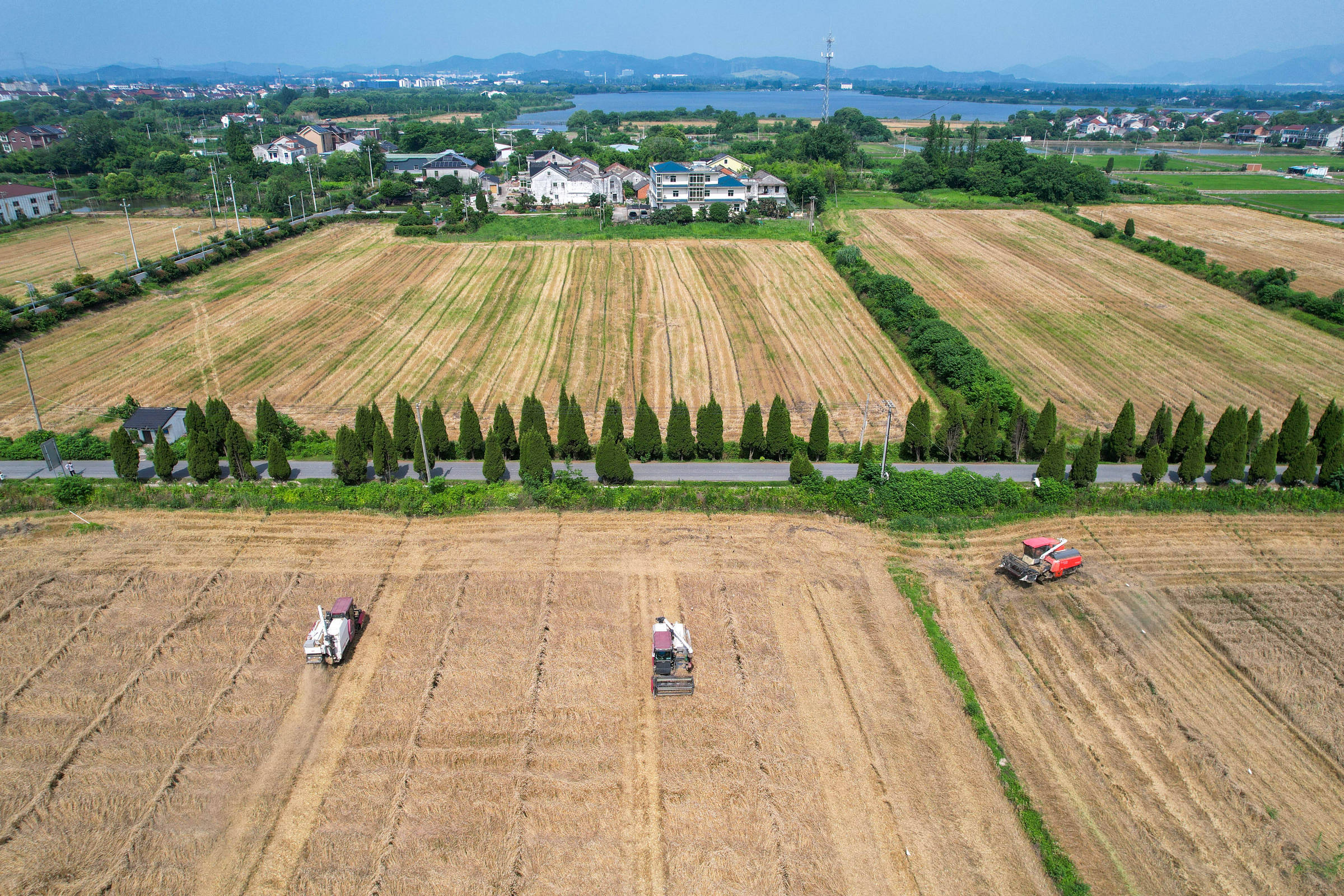
Plano chinês de autossuficiência alimentar pode impactar exportações agrícolas brasileiras
O artigo analisa a ameaça estrutural que o plano de autossuficiência alimentar da China representa para o agronegócio brasileiro. O Brasil d
www1.folha.uol.com.br·1mo agoCS Kagwe Warns Antimicrobial Resistance Could Lock Kenya Out of Global Meat Markets
allafrica.com·10h ago
UFRJ obtém parecer favorável da Receita Federal para novo modelo de importação de insumos científicos
A UFRJ (Universidade Federal do Rio de Janeiro) desenvolveu um novo modelo de importação de produtos e equipamentos para pesquisas científic
www1.folha.uol.com.br·26d ago
Comments
Sign in to join the conversation.
No comments yet. Be the first.