
























James A. Garfield's Original Proof of the Pythagorean Theorem
Garfield's proof of the Pythagorean theorem is an original proof of the Pythagorean theorem discovered by James A. Garfield (November 19, 1831 – September 19, 1881), the 20th president of the United…
Read the full articleYou might also wanna read


Fermat’s Last Theorem — how it’s going
So I'm two months into trying to teach a proof of Fermat's Last Theorem to a computer. We already have one interesting story, which I felt w
An AI Just Solved a Geometry Problem That Stumped Mathematicians for 80 Years — and It Wasn't Even Trying
On May 20, 2026, OpenAI announced that a general-purpose reasoning model autonomously disproved Erdős's unit distance conjecture — an open p
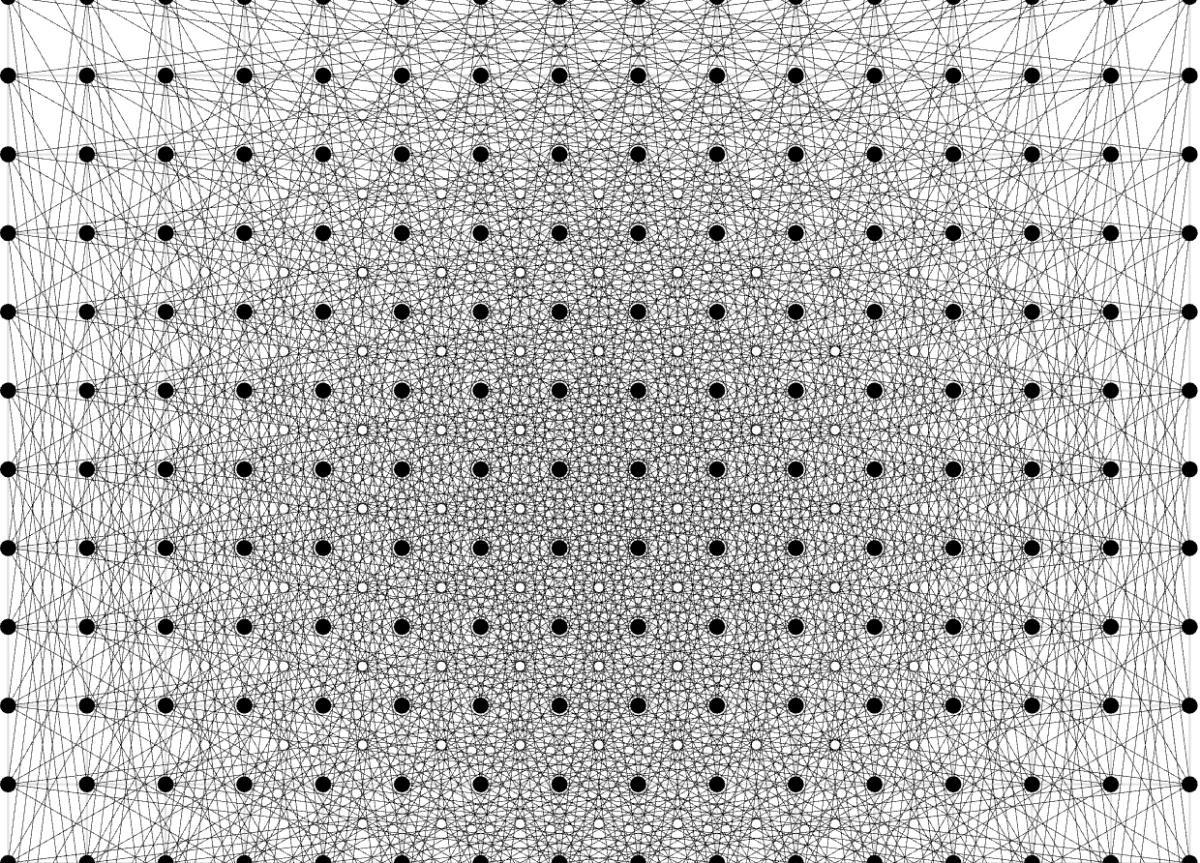
OpenAI claims new reasoning model disproves 1946 Erdős geometry conjecture, but credibility questioned after past false claims
OpenAI claims its reasoning model disproved a geometry conjecture unsolved since 1946 — and this time, the mathematicians who exposed its la
 mexnews.online·7d ago
Artificial Intelligence — The Case For and Against
AI now produces genuinely new mathematics. In January 2026, GPT-5.2 Pro generated original proofs to previously-open Erdős problems #397, #7
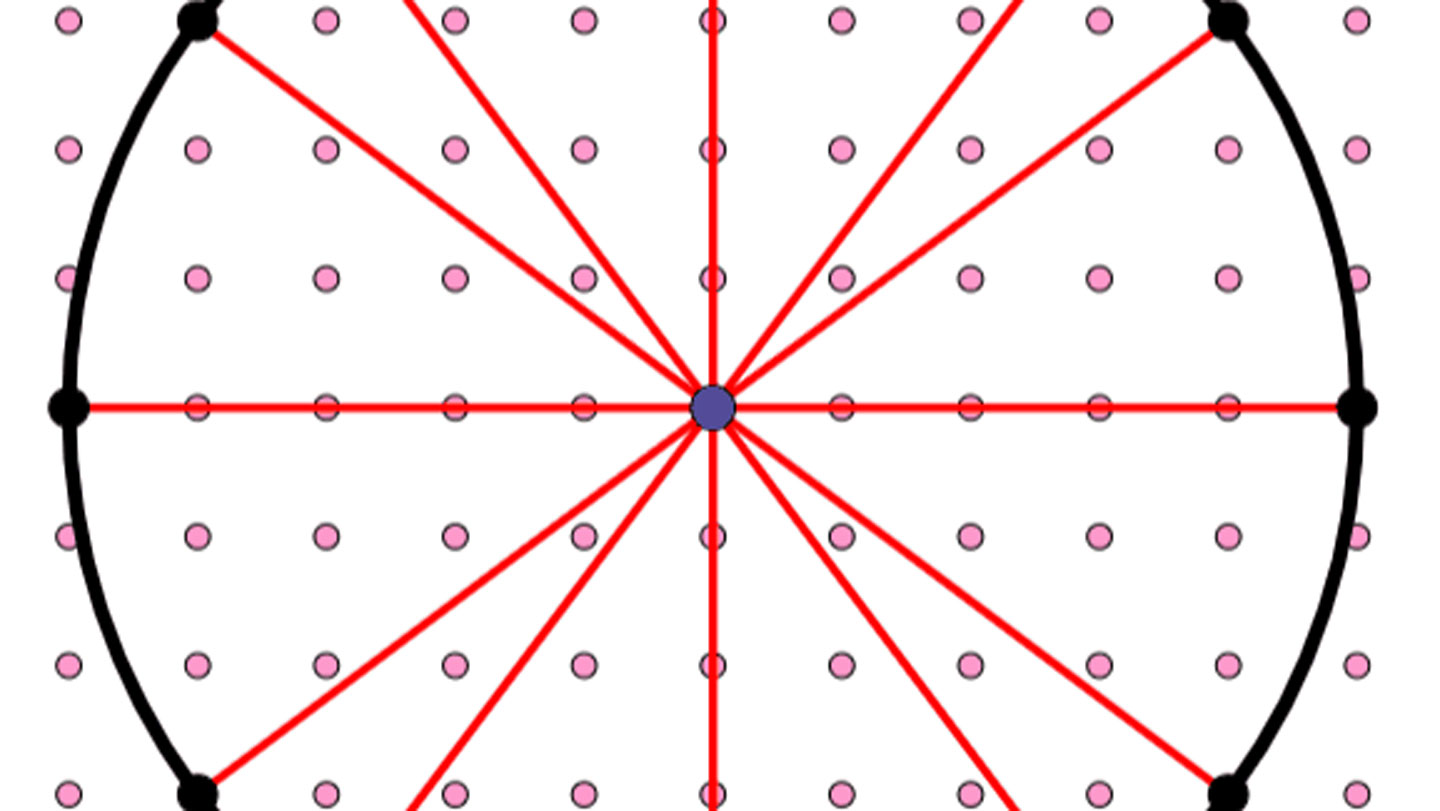
OpenAI's AI solves 80-year-old Erdős unit distance problem, sparking debate over mathematical norms
The result is correct but challenges core norms of mathematics: checking proofs, crediting ideas and keeping research open to everyone.
 sciencenews.org·1mo ago
OpenAI's AI solves 80-year-old Erdős unit distance problem, sparking debate over mathematical norms
The result is correct but challenges core norms of mathematics: checking proofs, crediting ideas and keeping research open to everyone.
sciencenews.org·1mo ago
The unsolved mystery of the fastest way to multiply numbers
A 23-year-old student overturned an ancient conjecture about one of math’s simplest operations
 scientificamerican.com·3d ago
Comments
Sign in to join the conversation.
No comments yet. Be the first.