
























 Baker's Take
IUCN Red List: Deep-Sea Mining Poses Extinction Risk to Two-Thirds of Vent Mollusks

By
Mr Bagel
The International Union for Conservation of Nature (IUCN) has issued a stark warning that deep-sea mining threatens to drive two-thirds of mollusk species found only around hydrothermal vents toward extinction, according to a new assessment published as part of the IUCN Red List of Threatened Species. Carbon Pulse reported that mining for critical minerals is the primary driver, placing nearly two-thirds of these unique mollusks at risk.

"The snails and other mollusks around hydrothermal vents have evolved to thrive in extreme conditions, but mineral extraction could drive more than half to extinction."
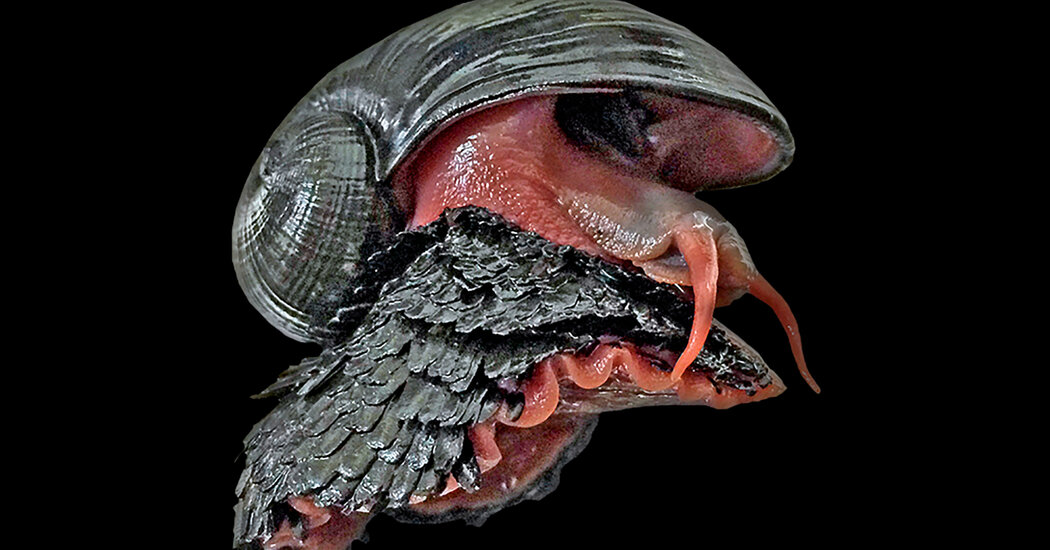
This assessment zeroes in on creatures such as the scaly-foot snail, which have adapted to crushing depths and water temperatures reaching 450 degrees Celsius. The New York Times noted that these species are uniquely vulnerable because their entire habitat is confined to small, scattered vent fields on the ocean floor.
"Life has colonised every corner of the planet by evolving ingenious survival strategies but these are increasingly being overwhelmed by destructive human activities."
The Guardian’s coverage connected this specific risk to a broader pattern of human encroachment on extreme environments. The red list update also included desert frogs threatened by mining, underscoring how the push for critical minerals is endangering life in some of the planet’s most inhospitable places.
The IUCN’s findings come as interest in deep-sea mining grows, with companies and governments eyeing polymetallic nodules and vent deposits for batteries and electronics. Carbon Pulse highlighted that the mollusk assessment is part of a larger effort to catalog biodiversity before extraction begins, though no commercial deep-sea mining has yet started in international waters.
The reporting
6 outlets covered this story. Each links to the original.


Comments
Sign in to join the conversation.
No comments yet. Be the first.