
























“It’s Like Using a Time Machine” Unexpected Cosmic ‘Life After Death’ Discovered on Planets Around a Burned-Out Star
New James Webb Space Telescope observations reveal that the fate of planets after the death of their host star may be surprisingly warm.
Read the full articleYou might also wanna read

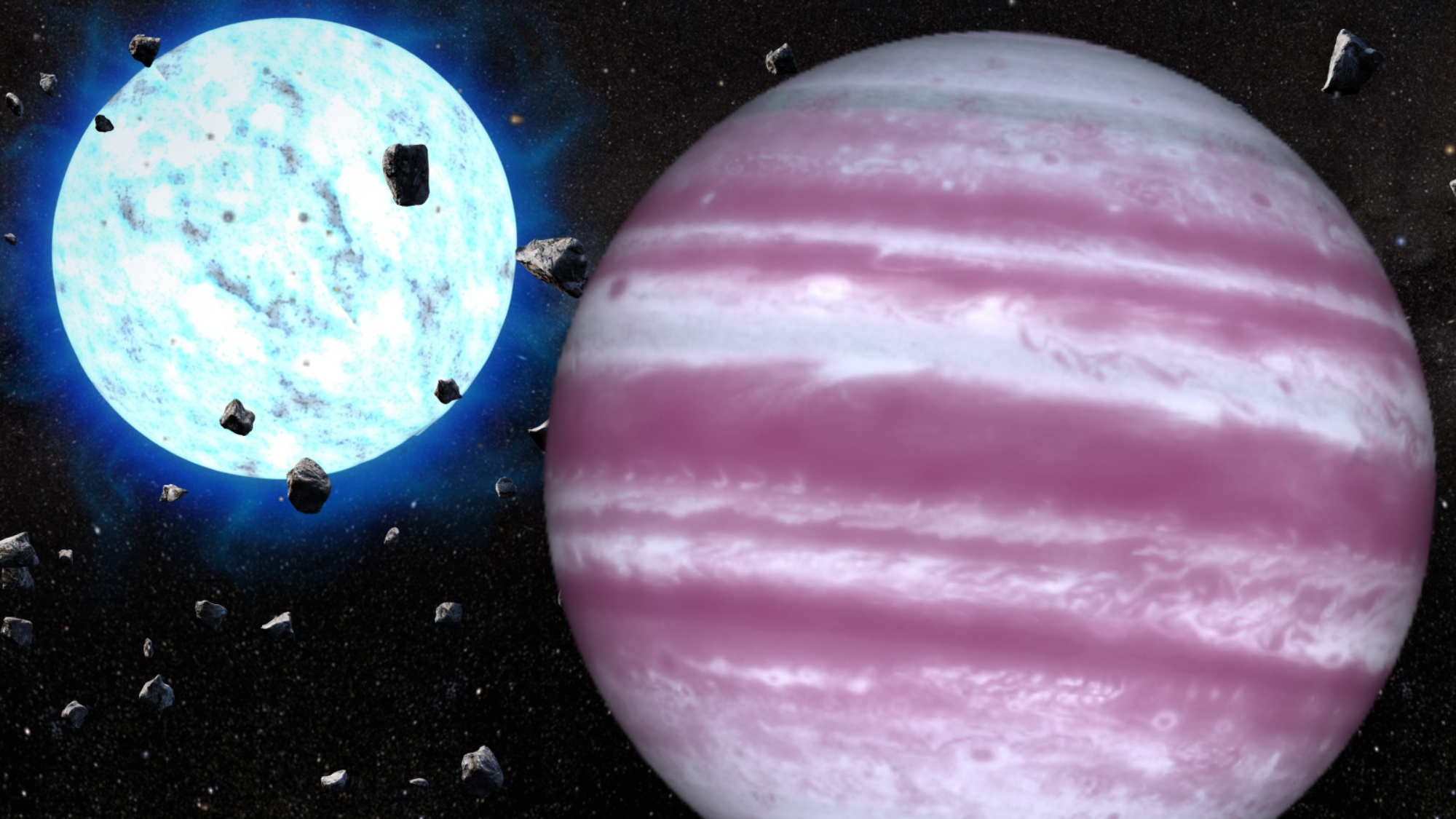
James Webb Space Telescope observes gas giant orbiting a dead white dwarf star, foreshadowing the solar system's distant future
"It's like using a time machine to peer into the distant future of our solar system."
 space.com·8d ago
James Webb Space Telescope observes gas giant orbiting a dead white dwarf star, foreshadowing the solar system's distant future
"It's like using a time machine to peer into the distant future of our solar system."
space.com·8d agoJames Webb Space Telescope observes gas giant orbiting a dead white dwarf star, foreshadowing the solar system's distant future
"It's like using a time machine to peer into the distant future of our solar system."
Space·8d agoThe Sun's death may not be the end: James Webb telescope reveals the secret
The Sun's death is still billions of years away, but it is inevitable. Understanding what will happen when our star exhausts its nuclear fue
There is a planet that survived the death of its star, and now we know how it did it.
The giant planet WD 1856 b, which survived a dead star, offers clues about atmospheres, orbital migration, and the distant future of our Sol

Astronomers discover how giant planet survived its star’s death
Planet offers an unprecedented glimpse into our solar system’s future
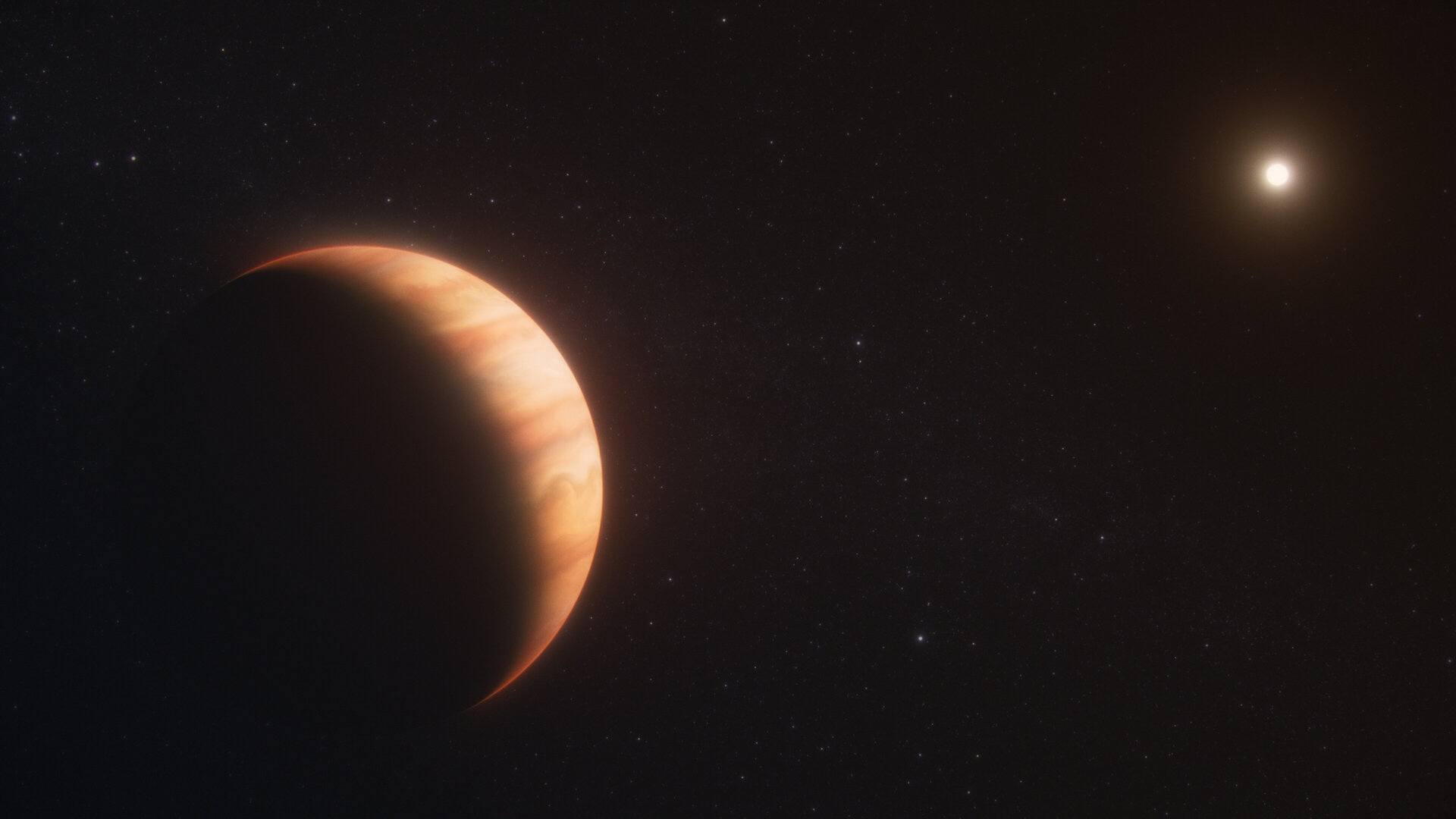
Webb Telescope reveals how a Jupiter-sized exoplanet survived its star's death and now orbits a white dwarf
An international team of astronomers has used the NASA/ESA/CSA James Webb Space Telescope to watch the Jupiter-sized exoplanet WD 1856 b tra

Planet Seven Times Larger Than Its Star Survived a Sun’s Red Giant Phase
Like pretty much everything else in this Universe of ours, stars die, too. When they go, they make a spectacle of themselves and go with a b
Comments
Sign in to join the conversation.
No comments yet. Be the first.