
























What research says about AI's impact on human cognitive abilities
By
Amanda Hoover
Summary
The article examines emerging research on whether AI tools like ChatGPT are impacting human cognitive abilities. While it's too early for definitive conclusions, early studies suggest concerning trends: people may be over-relying on AI for tasks that require critical thinking, memory recall, and problem-solving. The piece explores cognitive offloading theory, where outsourcing mental tasks to AI could weaken neural pathways over time, similar to how GPS navigation affected spatial memory. It also discusses the nuance — AI could potentially augment human intelligence if used as a learning tool rather than a crutch. The article balances perspectives from neuroscientists, psychologists, and AI researchers, concluding that the outcome depends heavily on how we integrate AI into daily life.
Source
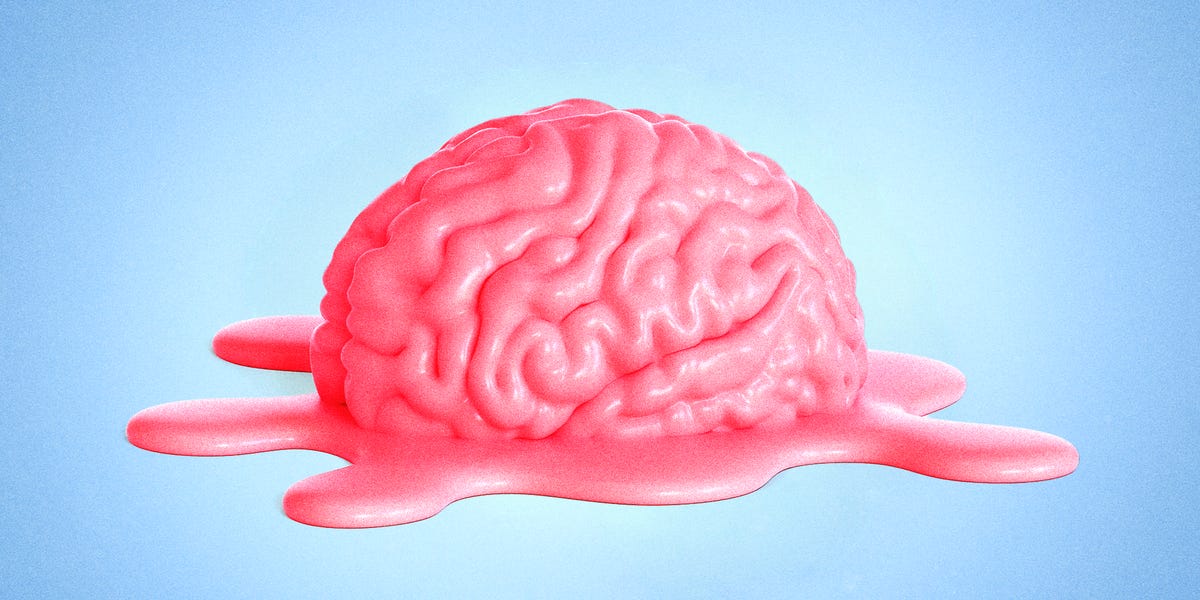
 bskyWhat research says about AI's impact on human cognitive abilitiesbusinessinsider.com
Key quotes
· 3 pulledIt's too early to say if AI is frying our brains — but the research so far doesn't look good.
The concern is that we're offloading not just mundane tasks but the very cognitive processes that keep our minds sharp.
If we use AI as a tool for exploration and learning, it could make us smarter. If we use it as a shortcut for everything, we risk atrophy.
You might also wanna read


Research Warns AI Chatbot Reliance May Impair Human Cognitive Abilities
The article discusses research findings that over-reliance on AI chatbots and large language models for cognitive tasks may negatively impac
 bbc.com·2mo ago
The Cognitive Trade-off: How Technology and AI Are Changing Human Thinking Patterns
This blog post by Erik Johannes Husom explores the philosophical and practical implications of outsourcing cognitive processes to technology
 erikjohannes.no·5mo ago
Study: Brief Use of AI Chatbots May Reduce Critical Thinking and Problem-Solving Abilities
A new study by researchers from Carnegie Mellon, MIT, Oxford, and UCLA found that using AI chatbots for as little as 10 minutes can negative
 WIRED·1mo ago
Study Finds AI Assistance Reduces Cognitive Persistence and Hurts Independent Performance
A new study published in the paper "AI assistance reduces persistence and hurts independent performance" reveals that while AI assistance im
 engadget.com·2mo ago
MIT Study: Neural and Behavioral Effects of AI-Assisted Essay Writing Using EEG
This MIT Media Lab study examines the neural and behavioral effects of using AI assistants like ChatGPT for essay writing. Researchers divid
 media.mit.edu·5mo ago
MIT Study Links ChatGPT Use for Essay Writing to Measurable Cognitive Decline in Students
A new MIT study titled "Your Brain on ChatGPT: Accumulation of Cognitive Debt when Using an AI Assistant for Essay Writing Task" found that
 publichealthpolicyjournal.com·10mo ago
Comments
Sign in to join the conversation.
No comments yet. Be the first.