
























Interstellar Comet 3I/ATLAS Shows Rapid Brightening and Gas Emission Near Perihelion
Interstellar comet 3I/ATLAS has been approaching its 2025 October 29 perihelion while opposite the Sun from Earth, hindering ground-based optical observations over the preceding month. However, this…
Read the full articleYou might also wanna read

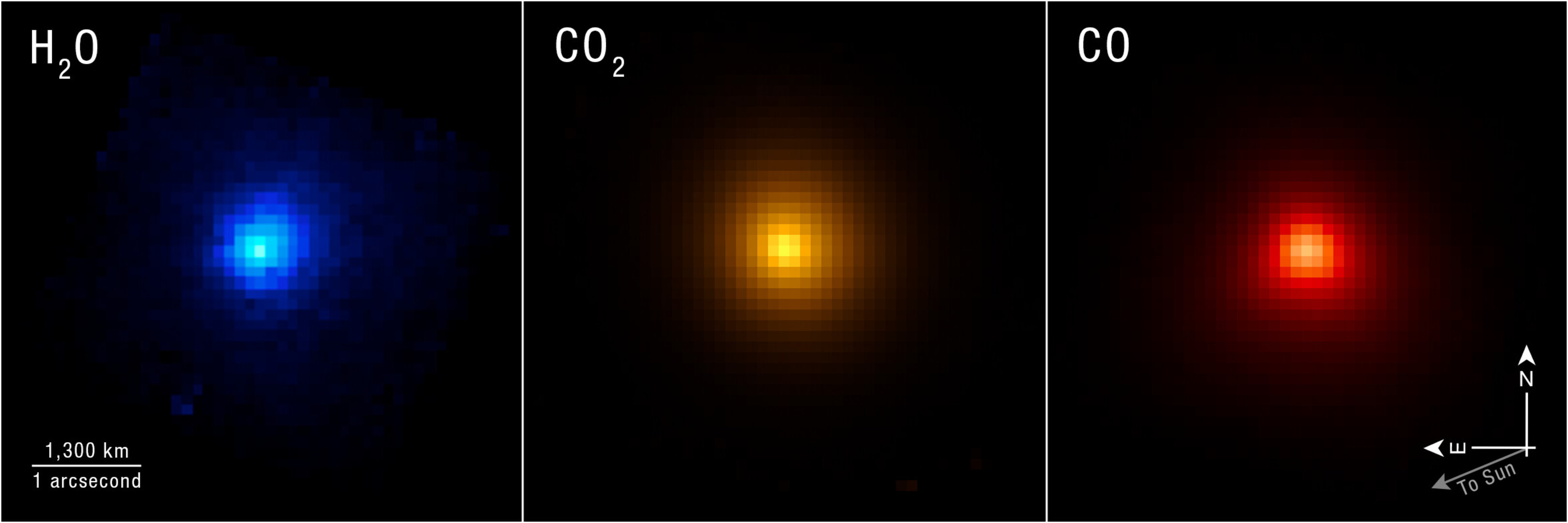
Webb Telescope reveals surprising chemistry of interstellar Comet 3I/ATLAS
The third identified interstellar comet in human history has a surprising chemical makeup, raising questions as to how common, or unusual, c
Spectral Characteristics of Interstellar Object 3I/ATLAS from SOAR Observations
Thomas H. Puzia et al 2025 ApJL 990 L27 At a distance of 4.4 au from the Sun, interstellar object 3I/ATLAS showed no signs of emission from
Discovery and Preliminary Characterization of a Third Interstellar Object: 3I/ATLAS
Darryl Z. Seligman et al 2025 ApJL 989 L36 Early observations of interstellar interloper 3I/ATLAS revealed a compact coma, minimal light-cur

Dusting Off 3I/ATLAS: Interstellar Travelers Must Clean their Windshields!
The inferred emissivity spectrum as a function of wavelength (in micrometers) of the dust shed by the interstellar object 3I/ATLAS, with the

Monthly Roundup: Interstellar Visitor 3I/ATLAS
The discovery of interstellar comet 3I/ATLAS was one of the top astronomy stories of 2025. Though the comet is now heading back to interstel
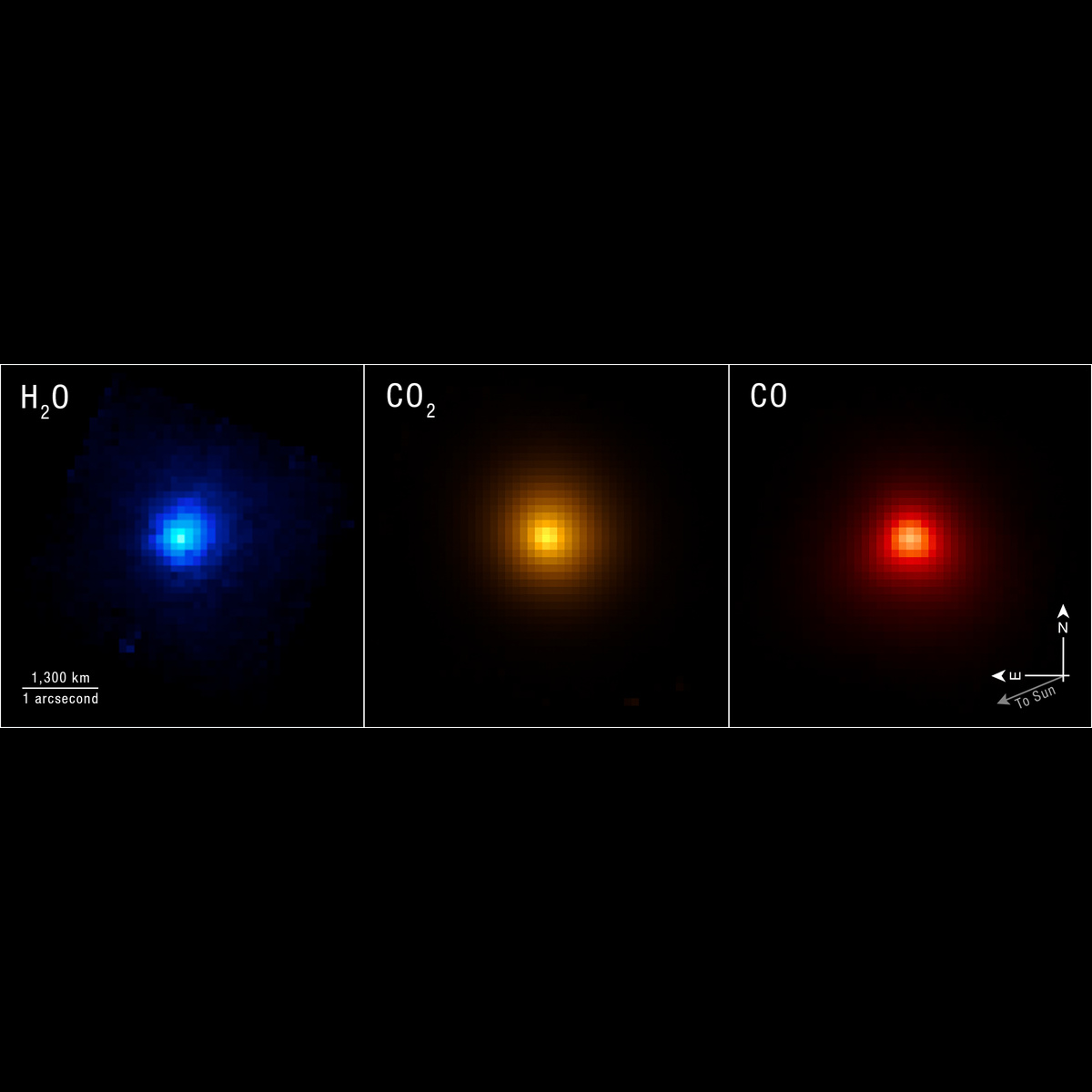
NASA's Webb Telescope Reveals Interstellar Comet 3I/ATLAS Has Surprising Chemical Composition
View All Press Releases
 news.stsci.edu·24d ago
Comments
Sign in to join the conversation.
No comments yet. Be the first.