
























Design Reviewed: International Times No. 98 (November 1971) — A Psychedelic Counterculture Artifact
By
@DesignReviewed
Summary
A review of International Times No. 98 (November 1971), the influential UK underground counterculture newspaper. The piece examines the publication's psychedelic graphic design, its role in the 1960s/70s alternative press movement, and its cultural significance as a platform for radical politics, music, and art. The review highlights the distinctive visual style, large-format layout, and the publication's connection to the London underground scene.
Source
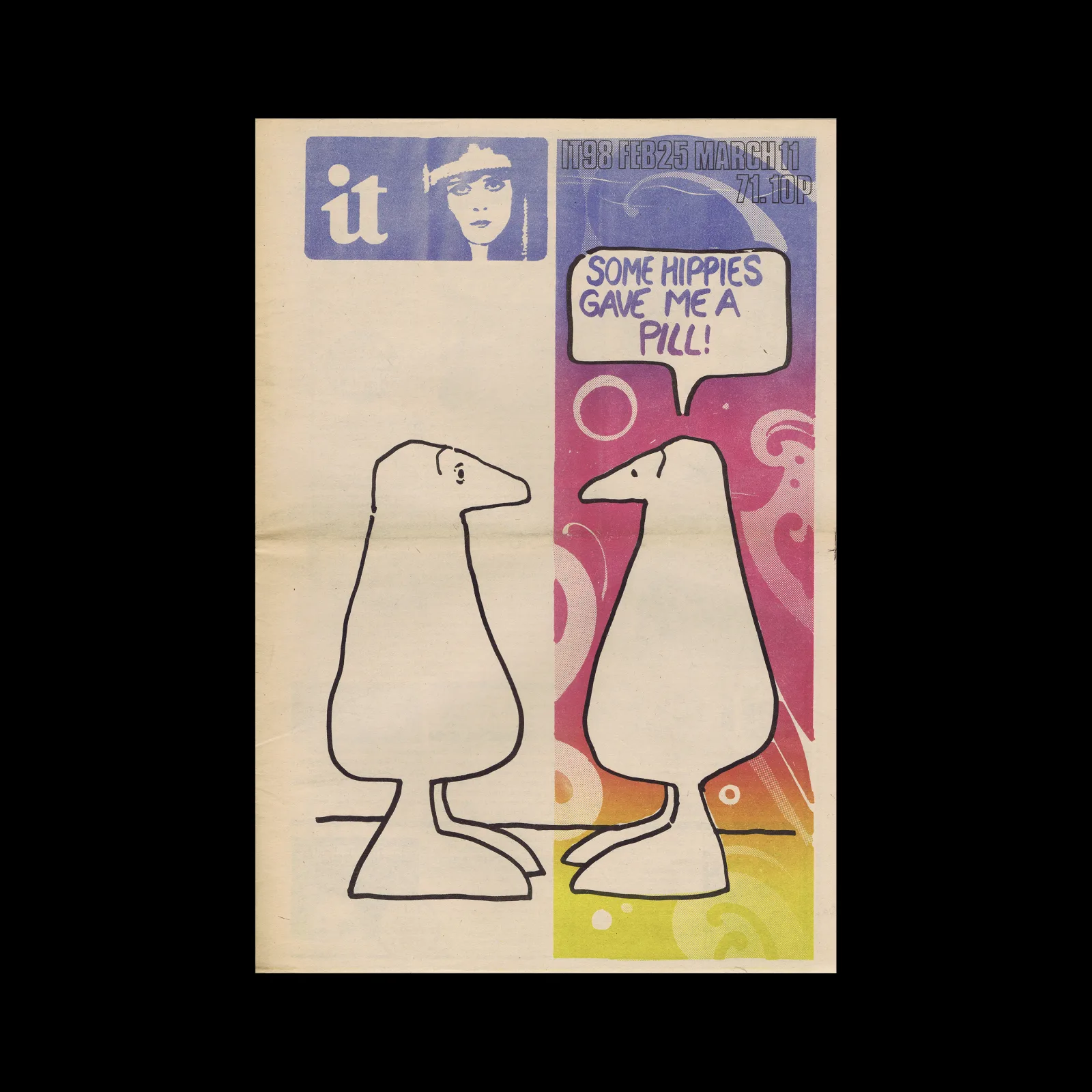
 Twitter / XDesign Reviewed: International Times No. 98 (November 1971) — A Psychedelic Counterculture Artifactdesignreviewed.com
Key quotes
· 3 pulledInternational Times was a leading underground newspaper in the UK during the late 1960s and early 1970s.
The publication featured a distinctive psychedelic design aesthetic that reflected the counterculture movement.
This issue represents a significant artifact of the underground press movement in the United Kingdom.
You might also wanna read


Countercultural Visual Overload: Under-Appreciated Artists of the 1960s and '70s
A visual and cultural exploration of under-appreciated artists and communities from the 1960s and '70s counterculture movement. The article
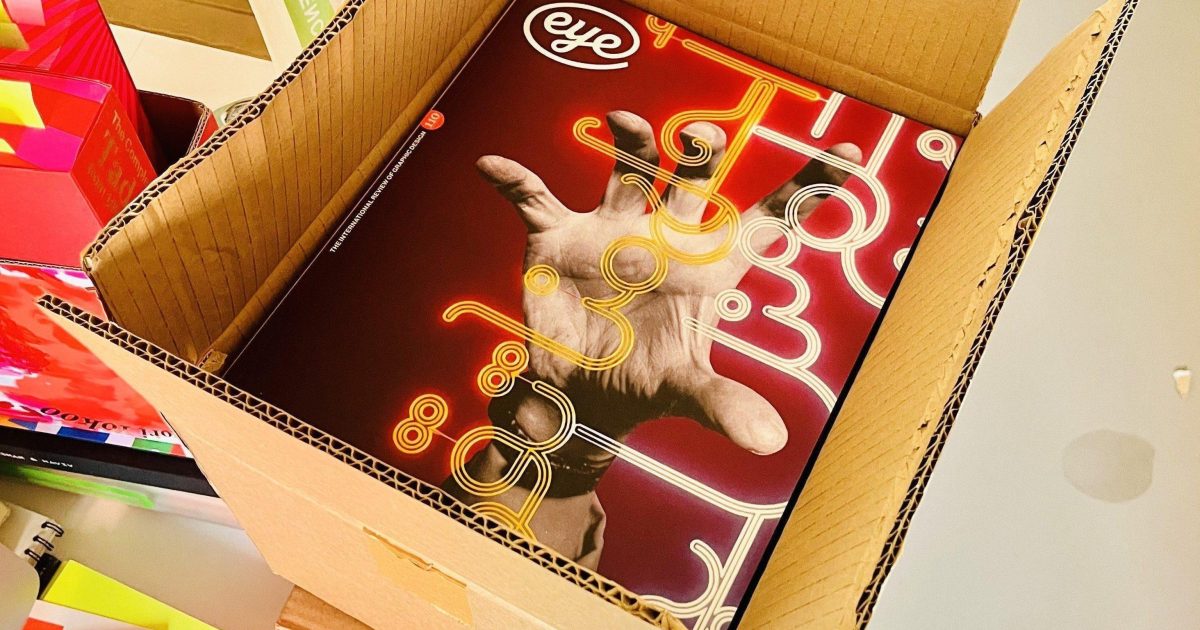
Eye Magazine Issue 110 Released: Features on Gordon House, Tadanori Yokoo, and Andy Altmann Tribute
Eye Magazine issue 110 (volume 28) has been released, featuring articles about designer Samar Maakaroun (Pentagram), Gordon House, Japanese
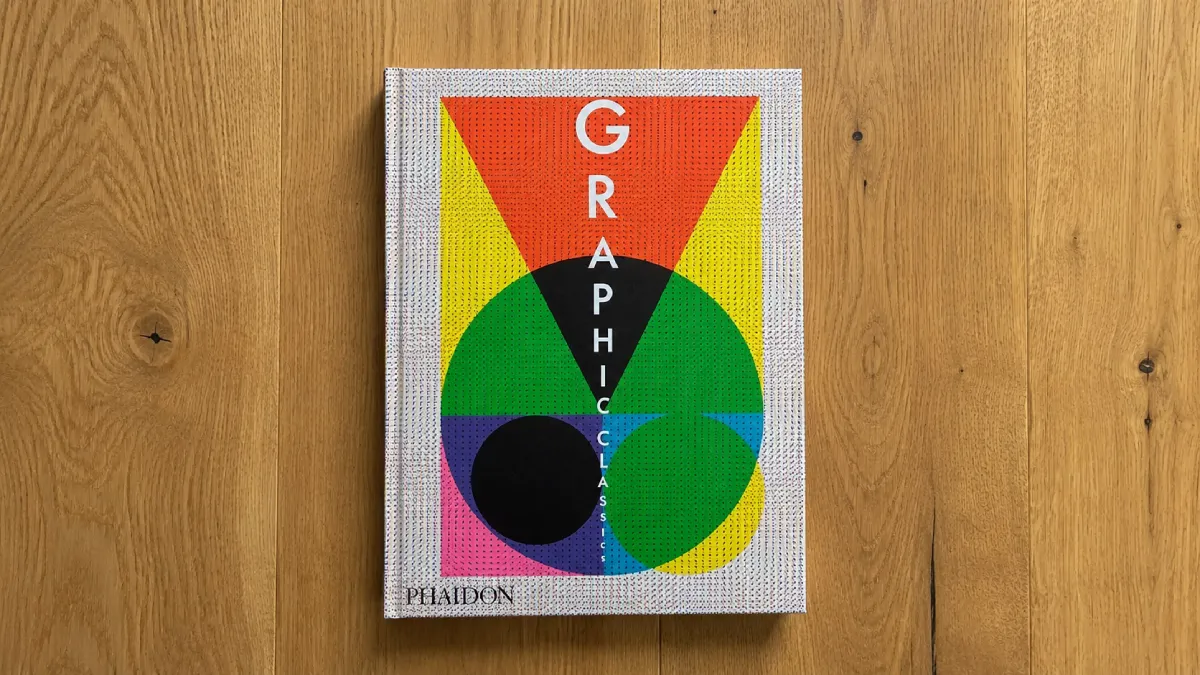
Graphic Classics by Phaidon Press: A Hands-On Review of the Definitive Design History Reference
A thorough, hands-on review of Graphic Classics by Phaidon Press, a comprehensive reference volume tracing graphic design history from the 1
 weandthecolor.com·3d ago
Dezeen Agenda features interview with designer Jasper Morrison

Nostalgic VR Rave Exhibition Revives Memories of 1995 UK Rave Culture
The article recounts the author's nostalgic journey back to 1995, triggered by an immersive VR rave exhibition called 'In Pursuit of Repetit
 Creative Boom·10mo ago
Forty years of the UK creative industry: From 1980s optimism to AI-era uncertainty
Designer Paul Leon traces the UK creative industry's evolution from the design-saturated optimism of the 1980s through corporate consolidati
Creative Boom·4mo ago
Comments
Sign in to join the conversation.
No comments yet. Be the first.