
























Study: Imaging scans detect prostate cancer progression missed by stable PSA levels
A new analysis led by researchers at Weill Cornell Medicine and Duke University, published in the Journal of Clinical Oncology, found that advanced prostate cancer patients may need periodic imaging scans to detect tumor progression even when PSA (prostate-specific antigen) levels remain stable or are undetectable. The study analyzed data from over 2,500 men in two multinational phase 3 clinical trials, revealing that relying solely on PSA monitoring can miss cancer progression. This challenges the standard practice of using PSA levels as the primary indicator for disease advancement in advanced prostate cancer patients.
Key quotes
Patients with advanced prostate cancer may need periodic imaging scans to catch tumor growth even with stable levels of prostate-specific antigen (PSA)
In some cases, cancer progression was detected on scans even when PSA levels were undetectable
From the article
You might also wanna read
Imaging Scans Detect Prostate Cancer Progression Despite Stable PSA Levels – Weill Cornell Medicine


Prostate cancer screening debate continues as experts seek more accurate detection methods
Prostate cancer screening remains a complex issue. While PSA tests can help detect cancer, widespread screening of asymptomatic men is not r
 bbc.co.uk·1mo ago
Understanding PSA testing: What elevated prostate-specific antigen levels really mean
This article explains PSA (prostate specific antigen) testing for prostate cancer, addressing common confusion around what elevated PSA leve
 1011now.com·23d ago
Development and Validation of a Non-Invasive AI Diagnostic Model for Prostate Cancer Using Multiparametric MRI and PSMA PET/CT
Exact Imaging boosts U.S. commercial team for next-gen prostate cancer testing tech
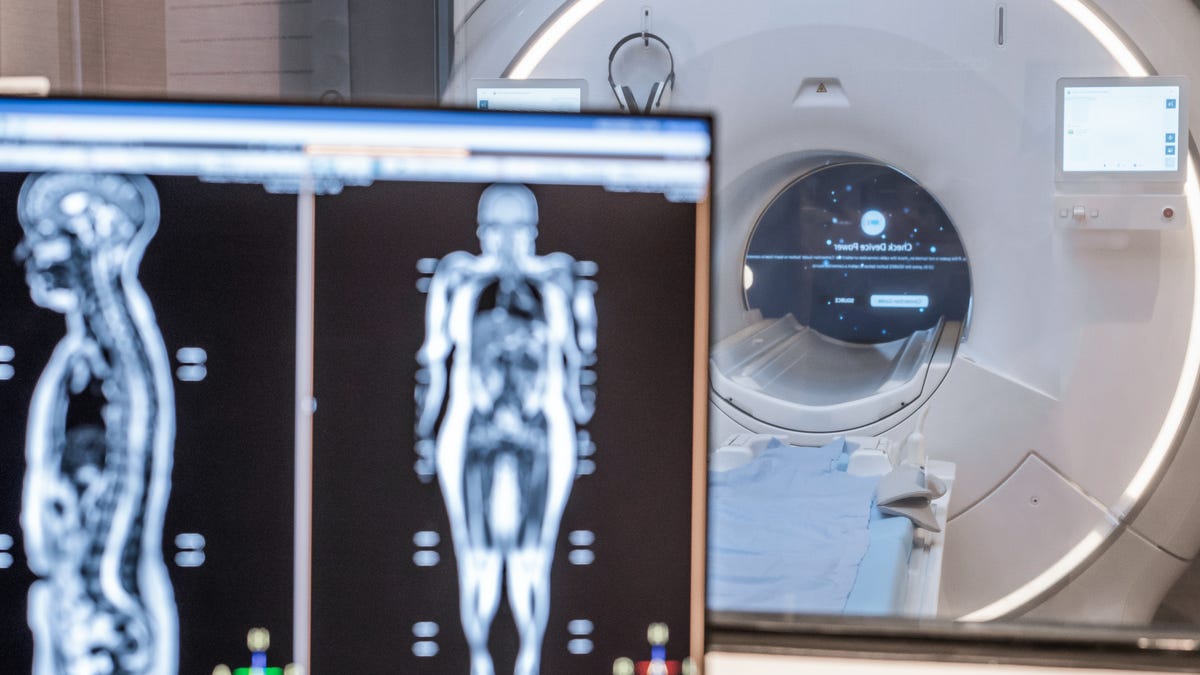
Examining the Effectiveness and Risks of Full-Body MRI Scans for Cancer Detection
The article examines the growing trend of full-body MRI scans for preventive health screening, exploring both the potential benefits and sig
 usatoday.com·4mo ago
Comments
Sign in to join the conversation.
No comments yet. Be the first.