
























Rethinking societal collapse: Historians as reflective guides, not predictors
By
Resilience
Summary
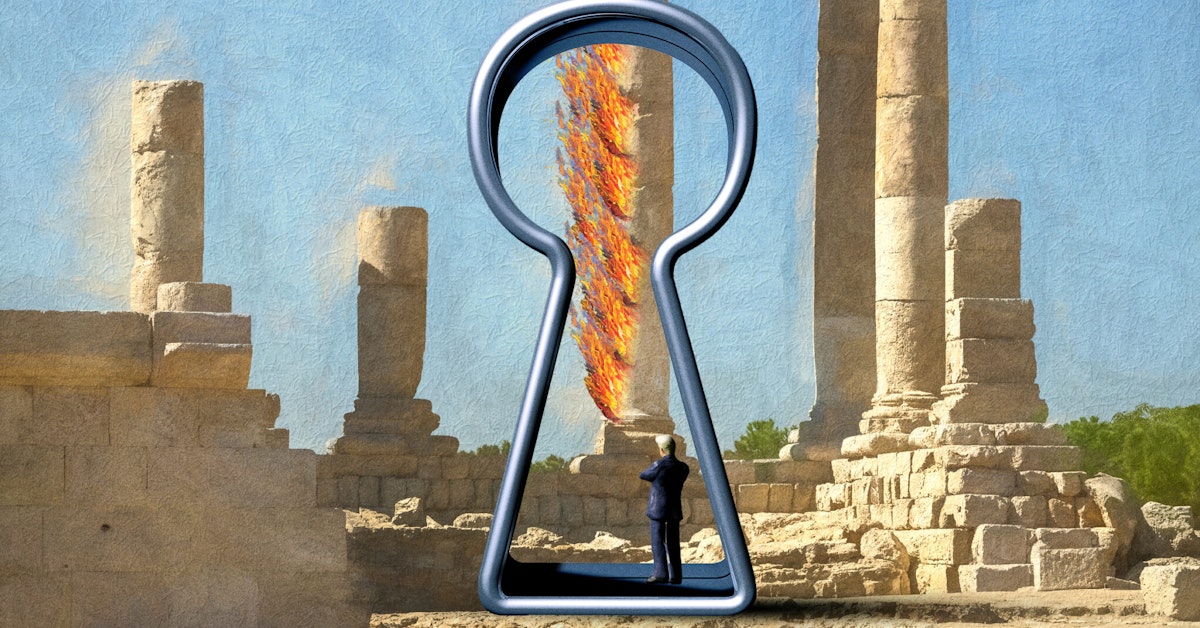
This article challenges the common use of historical collapse narratives as predictive tools for modern societies. It argues that the historical and archaeological record is too contingent and context-bound to generate reliable forecasts. Instead, the authors propose that historians and archaeologists should take on a public, reflective role — helping societies explore narratives beyond the binary of progress/growth fetishism versus nostalgic/fortress mentalities. The piece advocates for learning from civilizations that attempted to "break down well" — i.e., collapse in ways that were less catastrophic, more equitable, or more humane.
Source

 bskyRethinking societal collapse: Historians as reflective guides, not predictorsresilience.org
Key quotes
· 3 pulledThe historical and archaeological record is too contingent, context-bound, and selectively-preserved from which to generate reliable forecasts for our own times.
We see a different and potentially more valuable role for historians and archaeologists today. Rather than helping us predict collapse, they can help us reflect.
We believe that more historians and archaeologists can step into a public, reflective role, helping societies explore narratives beyond either progress and growth fetishism on the one hand, or nostalgic and fortress mentalities on the other.
You might also wanna read

Risk Expert Analyzes Historical Patterns of Societal Collapse and Current Existential Threats
Risk expert Luke Kemp uses archaeological evidence from the British Museum's Jebel Sahaba skeletons to argue that human societies have faced
 noemamag.com·8mo ago
From Climate Catastrophism to Pragmatism: An Evolving Perspective on Climate Risk
The author reflects on his evolution from being a climate catastrophist to adopting a more pragmatic approach to climate change. He acknowle
 breakthroughjournal.org·8mo ago
The Assumptions We Make About Ancient Skeletons Found Embracing
A reflective and somewhat satirical essay exploring how modern people project romantic narratives onto ancient skeletons found embracing in
 Defector·1mo ago
Reassessing Maya Civilization: New Archaeological Discoveries Challenge Traditional Narratives
The article challenges long-held misconceptions about the Maya civilization, revealing that much of what we thought we knew is wrong. It exp
 theguardian.com·4mo ago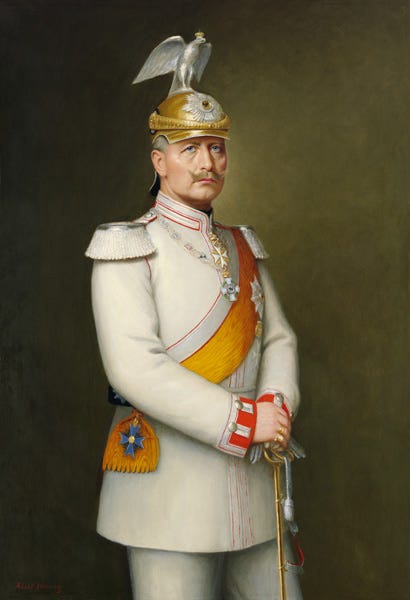
Rethinking History: How Incompetent Leaders Like Kaiser Wilhelm II Shape World Events
This article examines the "Great Man" theory of history (popularized by Thomas Carlyle) through the lens of Kaiser Wilhelm II, arguing that
 deadcarl.com·1mo ago
Elliott Pittam's Solo Show: A Reflection on Humanity's Cyclical Nature Through History
A reflective essay exploring how human emotions and behavioral patterns remain cyclical despite technological progress. Drawing on historica
 the-unibrow.com·14d ago
Comments
Sign in to join the conversation.
No comments yet. Be the first.