
























Ancient Roman Romance Novels: The Overlooked Origins of Popular Fiction
By
Emma Southon June 30, 2026
Summary
Emma Southon explores the often-overlooked tradition of ancient Roman romance novels, arguing that popular fiction existed long before the modern novel emerged. The article examines several surviving ancient Greek and Roman prose romances, including Chariton's "Callirhoe" (the earliest surviving novel), Xenophon of Ephesus's "An Ephesian Tale," and Apuleius's "The Golden Ass." Southon discusses how these works featured melodramatic plots involving star-crossed lovers, pirates, shipwrecks, mistaken identities, and happy endings — tropes still familiar in romance fiction today. She contextualizes these novels within ancient literary culture, noting they were considered lowbrow entertainment for popular audiences, much like modern genre fiction. The piece challenges conventional literary history by centering these ancient works as legitimate precursors to the novel form.
Source
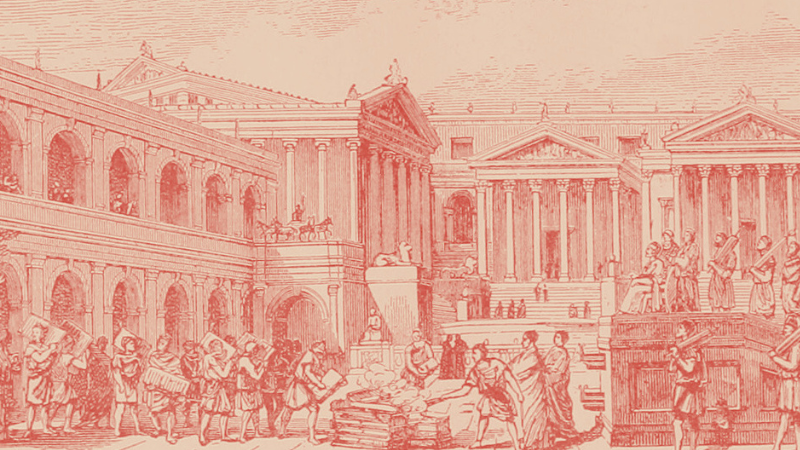
 bskyAncient Roman Romance Novels: The Overlooked Origins of Popular Fictionlithub.com
Key quotes
· 4 pulledNot enough people look back to the ancient world, which is more associated with epic poetry about gods and war than prose compositions.
These were stories written for entertainment, for pleasure, for the sheer joy of a good story — and they were wildly popular.
The ancient romance novel was, in its own time, considered lowbrow. It was popular fiction, written for people who wanted to be entertained, not educated.
What is remarkable about these texts is how familiar they feel. The tropes of romance — the separated lovers, the dramatic reunions, the happy endings — are all here, fully formed, nearly two thousand years ago.
You might also wanna read


How Rom-Coms Glamorized Journalism and Why That Fantasy No Longer Holds Up
The article examines how romantic comedies have historically portrayed journalism as a glamorous, aspirational career for women, but argues
 Defector·1mo ago
Review: The History and Significance of Chapter Divisions in Literature
This article is a book review by Joshua Barnes examining Nicholas Dames' historical study of literary segmentation and chapter divisions in
 sydneyreviewofbooks.com·10mo ago
Canon Formation as Cultural Confession: A Critical Examination of Literary Lists
This article critically examines The Guardian's "100 Best Novels of All Time" list, arguing that such canon-forming exercises reveal more ab
 lareviewofbooks.org·7d ago
The Assumptions We Make About Ancient Skeletons Found Embracing
A reflective and somewhat satirical essay exploring how modern people project romantic narratives onto ancient skeletons found embracing in
Defector·1mo ago
The Evolution of Science Fiction: From Traditional Publishing to Post-Sci-Fi
The article argues that traditional written science fiction is in decline, with fewer books being published and the genre's traditional publ
 typebarmagazine.com·3mo ago
Canon Formation as Cultural Confession: A Critique of Literary List-Making
This essay critiques the Guardian's "100 Best Novels of All Time" list as a cultural artifact rather than a literary verdict. Drawing on Ray
lareviewofbooks.org·6d ago
Comments
Sign in to join the conversation.
No comments yet. Be the first.