

























How a billion sterilized flies a year protect livestock from flesh-eating screwworms
By
@NatGeo
Summary
A joint Panama-U.S. government facility breeds, sterilizes, and releases over a billion screwworm flies annually to combat the New World screwworm, a parasitic fly whose larvae feed on living flesh of warm-blooded animals, causing severe damage to livestock and wildlife. The program uses sterile insect technique (SIT) — irradiating male flies to make them sterile, then releasing them to mate with wild females, which then produce no offspring. This decades-long effort has successfully eradicated screwworms from North and Central America down to Panama, maintaining a biological barrier at the Darién Gap to prevent reinfestation from South America.
Source
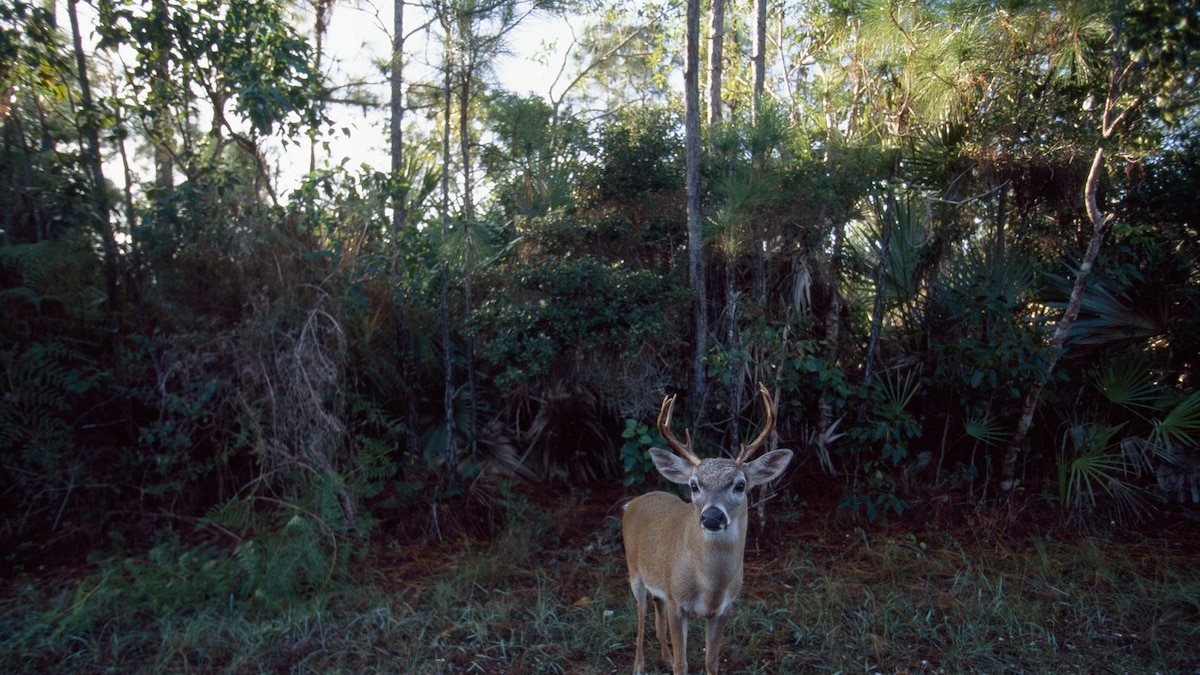
 bskyHow a billion sterilized flies a year protect livestock from flesh-eating screwwormsnationalgeographic.com
Key quotes
· 3 pulled'The sterile insect technique is one of the most successful biological control methods ever developed,' said one of the program's scientists.
'We release about 20 million sterile flies per week across the country,' explained a facility manager.
'The key is maintaining the barrier at the Darién Gap — if we stop, the screwworm will move back north.'
You might also wanna read


Screwworm Parasite Returns to Texas After 60 Years of Eradication
Screwworms, a flesh-eating parasitic pest, have re-emerged in the United States after being declared eradicated over half a century ago. The
 Defector·12d ago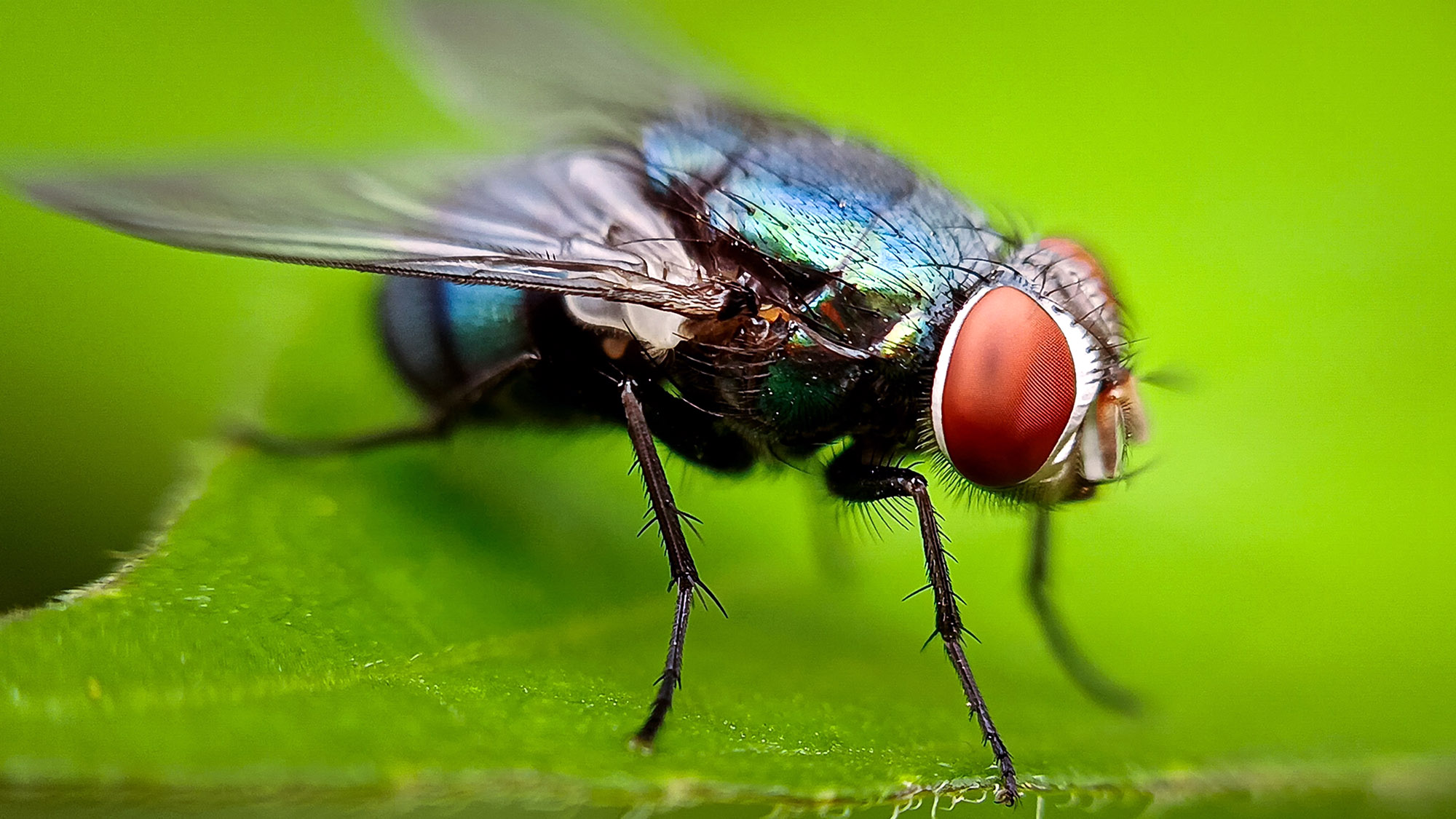
Satirical Q&A Mocks Government Response to Screwworm Discovery in Texas Livestock
A satirical Q&A article about the discovery of New World screwworm (a flesh-eating fly) in Texas livestock. The article uses absurdist humor
 The Onion·3d ago
U.S. Closes Southern Border Ports to Livestock Trade Amid New World Screwworm Spread in Mexico
The U.S. Secretary Rollins has shut down southern border ports to livestock trade following the northward spread of New World Screwworm (NWS
 usda.gov·10mo ago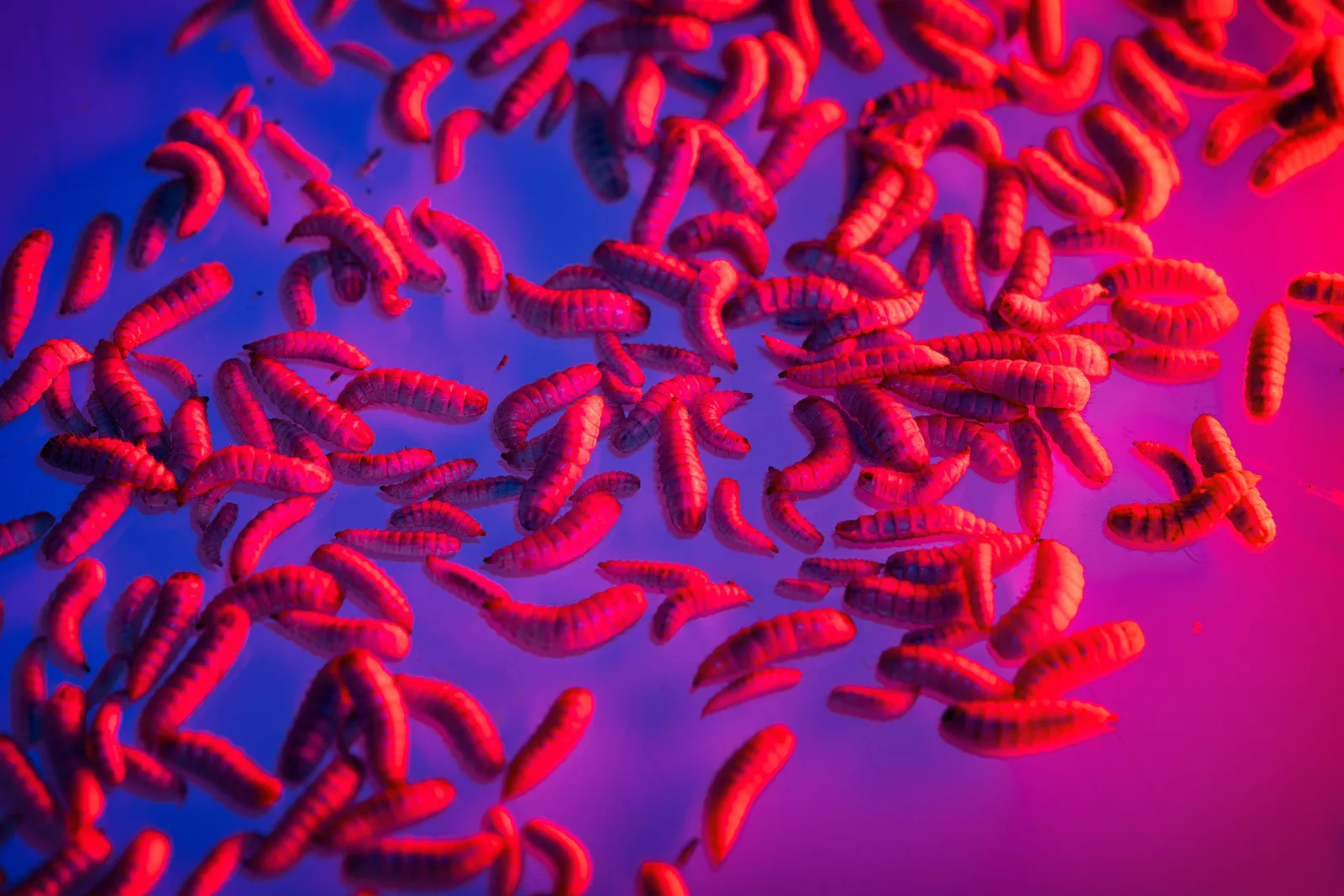
Black Soldier Fly Larvae: A Sustainable Protein Source with Potential for Human Consumption
The article explores black soldier fly larvae (maggots) as a highly efficient and sustainable protein source that could become a human super
 smithsonianmag.com·5mo ago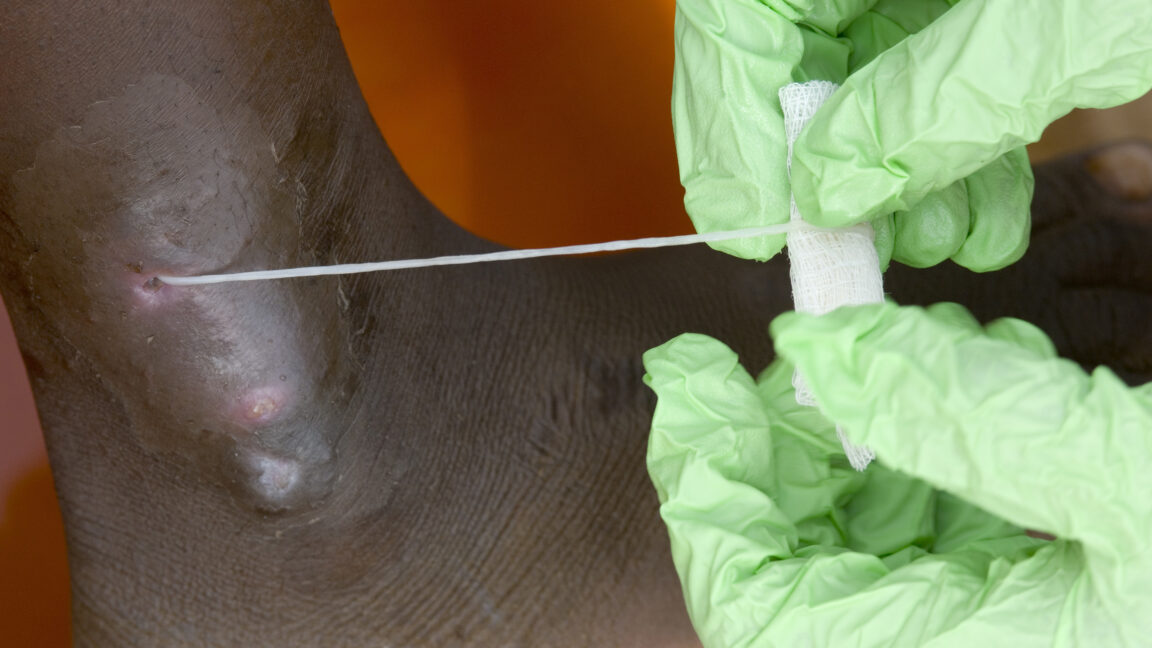
Guinea Worm Disease Nears Eradication with Only 10 Cases Reported Worldwide in 2025
The article reports that Guinea worm disease is nearing global eradication with only 10 human cases reported worldwide in 2025, according to
 arstechnica.com·4mo ago
Global Insect Population Decline Threatens Food Security and Ecosystems
The article discusses the alarming global decline in insect populations, often referred to as an 'insect apocalypse,' and its potential cata
 livescience.com·7mo ago
Comments
Sign in to join the conversation.
No comments yet. Be the first.