
























Study finds restored habitats at solar energy facilities boost insect biodiversity
By
By Marguerite Huber | January 17, 2024
Summary
Researchers at Argonne National Laboratory and the National Renewable Energy Laboratory studied how solar energy facilities built on retired agricultural land, when planted with native grasses and wildflowers, can restore insect populations and biodiversity. Over five years, all habitat and biodiversity metrics increased, with native plants thriving and insect communities—including pollinators like bumblebees—flourishing. The study demonstrates that solar energy sites can serve dual purposes: clean energy generation and ecological restoration.
Source

 bskyStudy finds restored habitats at solar energy facilities boost insect biodiversityanl.gov
Key quotes
· 3 pulledBumblebees buzz from flower to flower, stopping for a moment under a clear blue Minnesota sky.
This isn't a scene from a pristine nature preserve or national park. It is nestled between photovoltaic (PV) solar arrays on rehabilitated farmland.
At the end of five years, all habitat and biodiversity metrics increased.
You might also wanna read

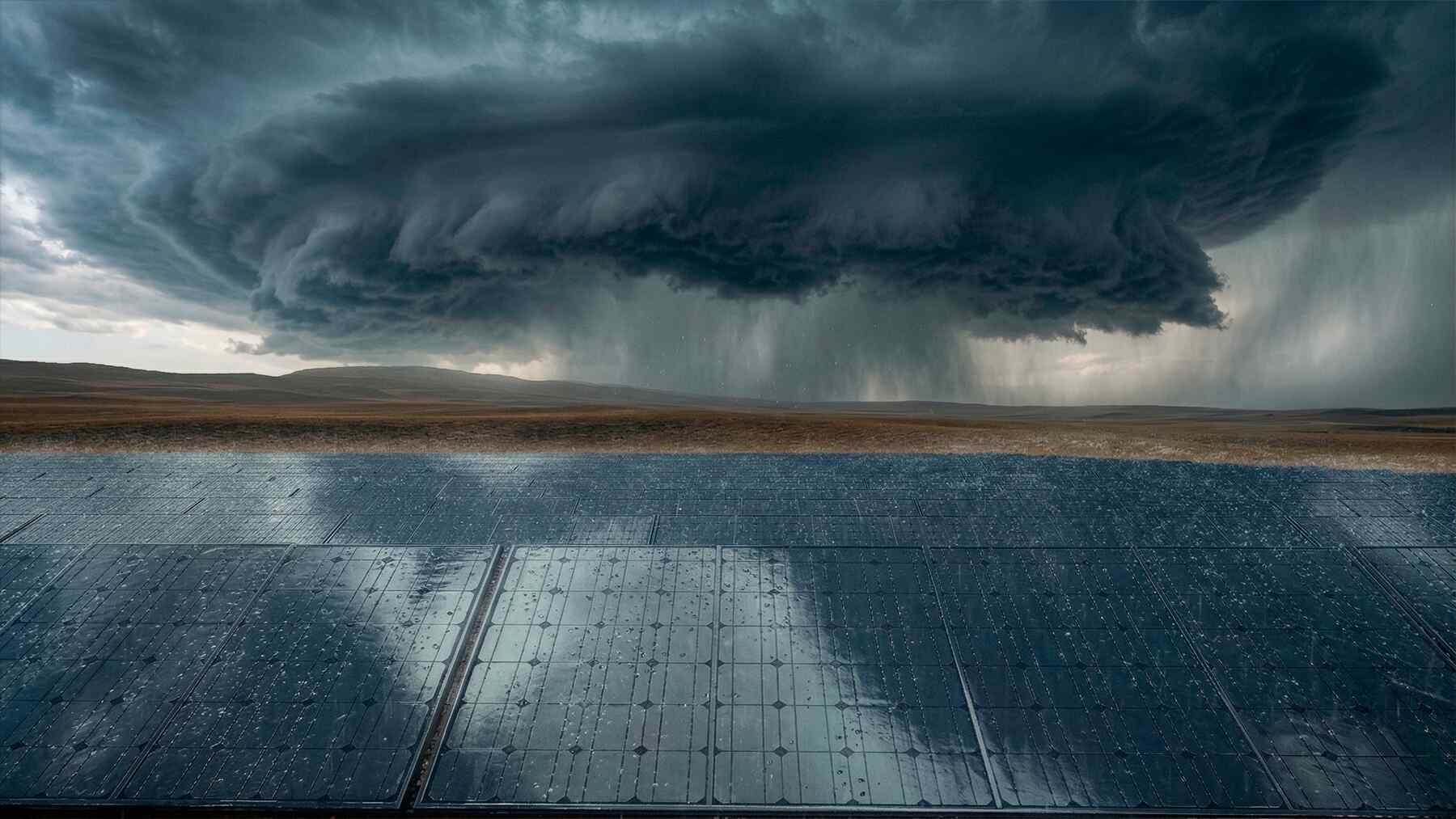
Study Finds Solar Panels Create Rainfall Clouds and Oases in Desert Environments
A recent study reveals that solar panels in desert environments are creating unexpected ecological benefits beyond clean energy production.
 ecoportal.net·2mo ago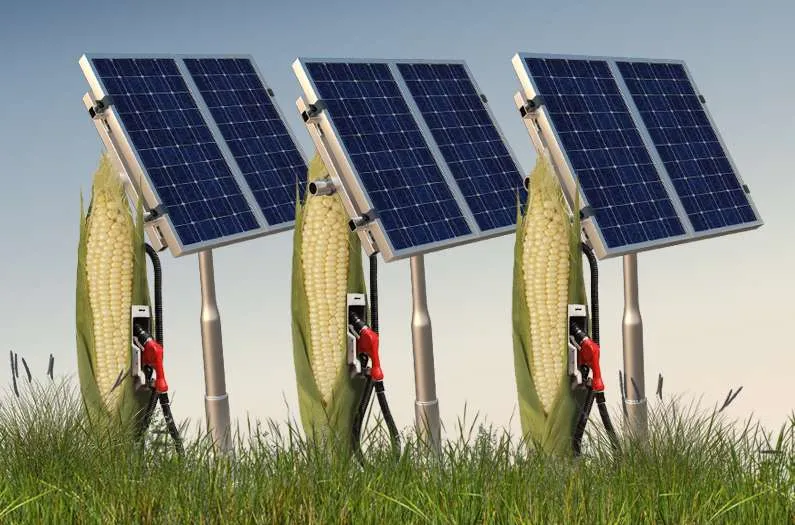
Study Compares Efficiency: Solar Panels vs Corn Ethanol for Energy Production
A new study published in PNAS examines the efficiency comparison between using farmland for corn ethanol production versus solar energy. Res
 anthropocenemagazine.org·2mo ago
Understanding Earth's Sunlight Budget and Its Biotechnological Applications
The article explores the concept of Earth's sunlight budget, highlighting its significance as a vast and largely untapped energy source. It
 asimov.press·10mo ago
New Comprehensive Dataset Maps 15,000 Solar Arrays and 2.9 Million Panels Across the United States
Researchers from Michigan State University, NOAA, NASA, and USGS have created GM-SEUS (Ground-Mounted Solar Energy in the United States), a
 tech.marksblogg.com·8mo ago
Comments
Sign in to join the conversation.
No comments yet. Be the first.