
























Asteroid Day at 10: Planetary defense has improved, but scientists warn more monitoring is needed
By
Briana Alvarado, Matthew Glasser
Summary
The article marks the 10th anniversary of International Asteroid Day, established by the UN to raise awareness about planetary defense. Scientists say Earth is better prepared than a decade ago to detect and potentially deflect dangerous asteroids, but warn that current monitoring systems are insufficient. Experts call for more telescopes and observation capabilities to track near-Earth objects, emphasizing that without continued vigilance, a catastrophic impact is inevitable. The piece highlights progress made in asteroid detection technology and international cooperation while underscoring the urgent need for expanded sky surveillance.
Source
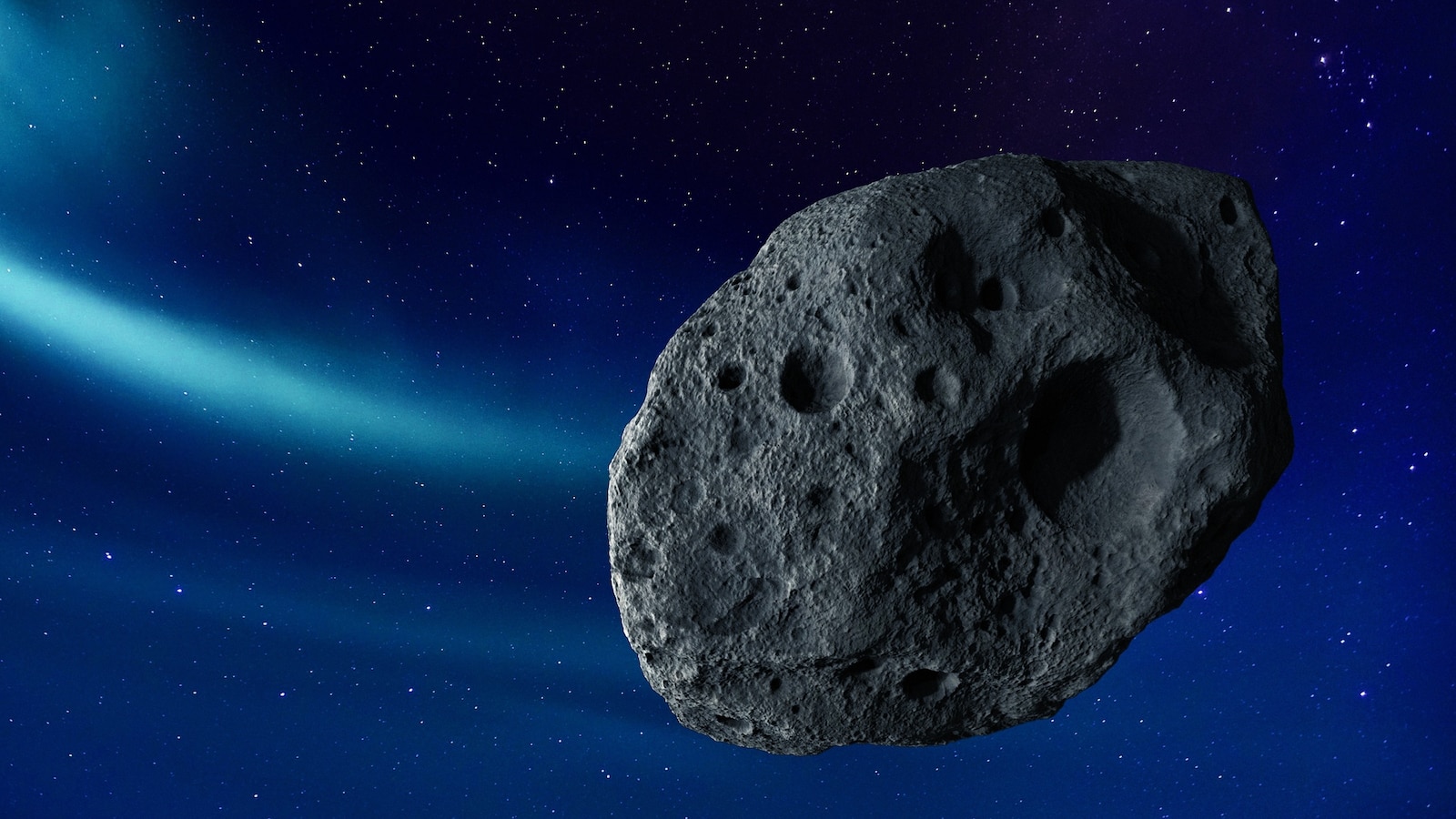
 Twitter / XAsteroid Day at 10: Planetary defense has improved, but scientists warn more monitoring is neededabcnews.link
Key quotes
· 2 pulledThere's an 100% chance that if we don't do something, a dangerous asteroid will hit and people will be hurt and killed.
People will be hurt and killed if we're not vigilant, scientists warn.
You might also wanna read

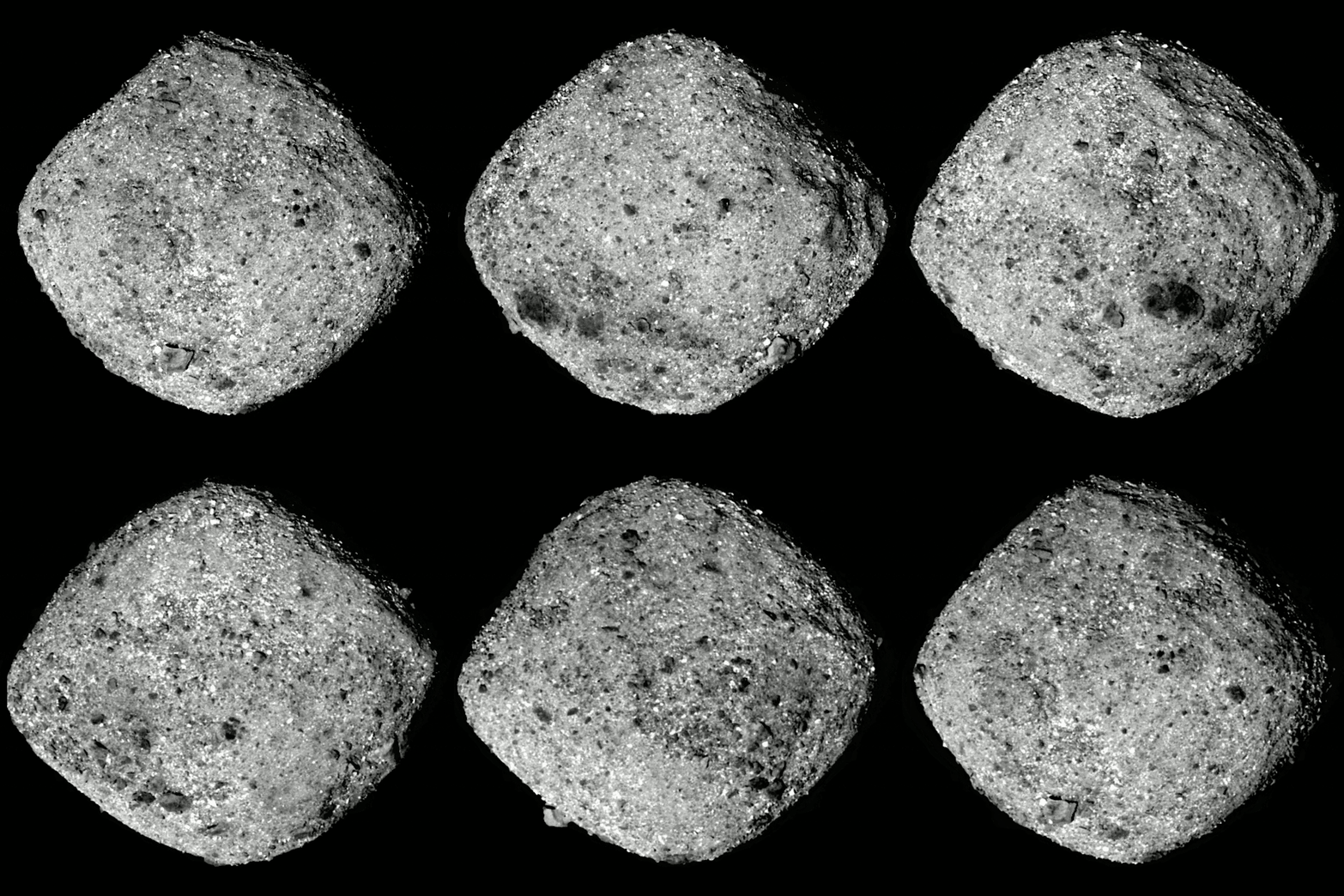
fQitU0d9.gif (1024×1024)
Large asteroid 1997 NC1 to safely fly past Earth this weekend, visible with binoculars
A large asteroid called 1997 NC1 will safely pass Earth this weekend at a distance of 1.6 million miles. Discovered nearly 30 years ago by H
 apnews.com·7d ago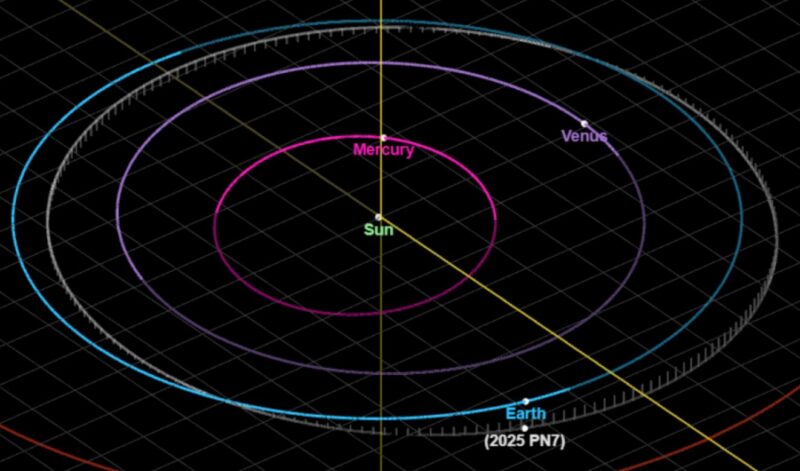
Astronomers Discover Quasi-Moon Asteroid That Has Orbited Near Earth Since 1957
Astronomers have discovered a 19-meter-wide asteroid named 2025 PN7 that has been orbiting near Earth since 1957. This 'quasi-moon' doesn't
 explorersweb.com·9mo ago
SETI researchers develop guidelines for verifying and communicating evidence of extraterrestrial intelligence
This article discusses the concept of "Disclosure Day" — the hypothetical moment when conclusive evidence of extraterrestrial intelligence i
 science.org·23d ago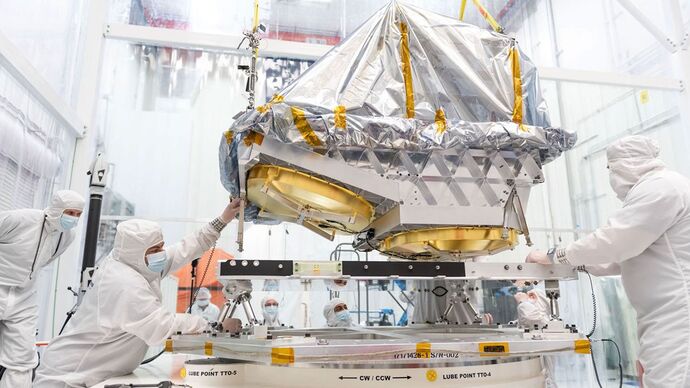
NASA's NEO Surveyor Infrared Telescope for Asteroid Detection Enters Integration and Testing Phase
NASA's NEO Surveyor, the agency's first infrared space telescope designed specifically to detect potentially hazardous near-Earth asteroids
 ipac.caltech.edu·24d ago
Comments
Sign in to join the conversation.
No comments yet. Be the first.