
























In June 2026, the James Webb telescope read the dawn and dusk skies of WASP-121b separately and found one side hotter and stripped of water, the other cooler and possibly cloudy, on a world where it can rain liquid rock
The James Webb Space Telescope has tracked how the atmosphere of a distant gas giant changes from longitude to longitude during transit, revealing pronounced differences between its morning and…
Read the full articleYou might also wanna read

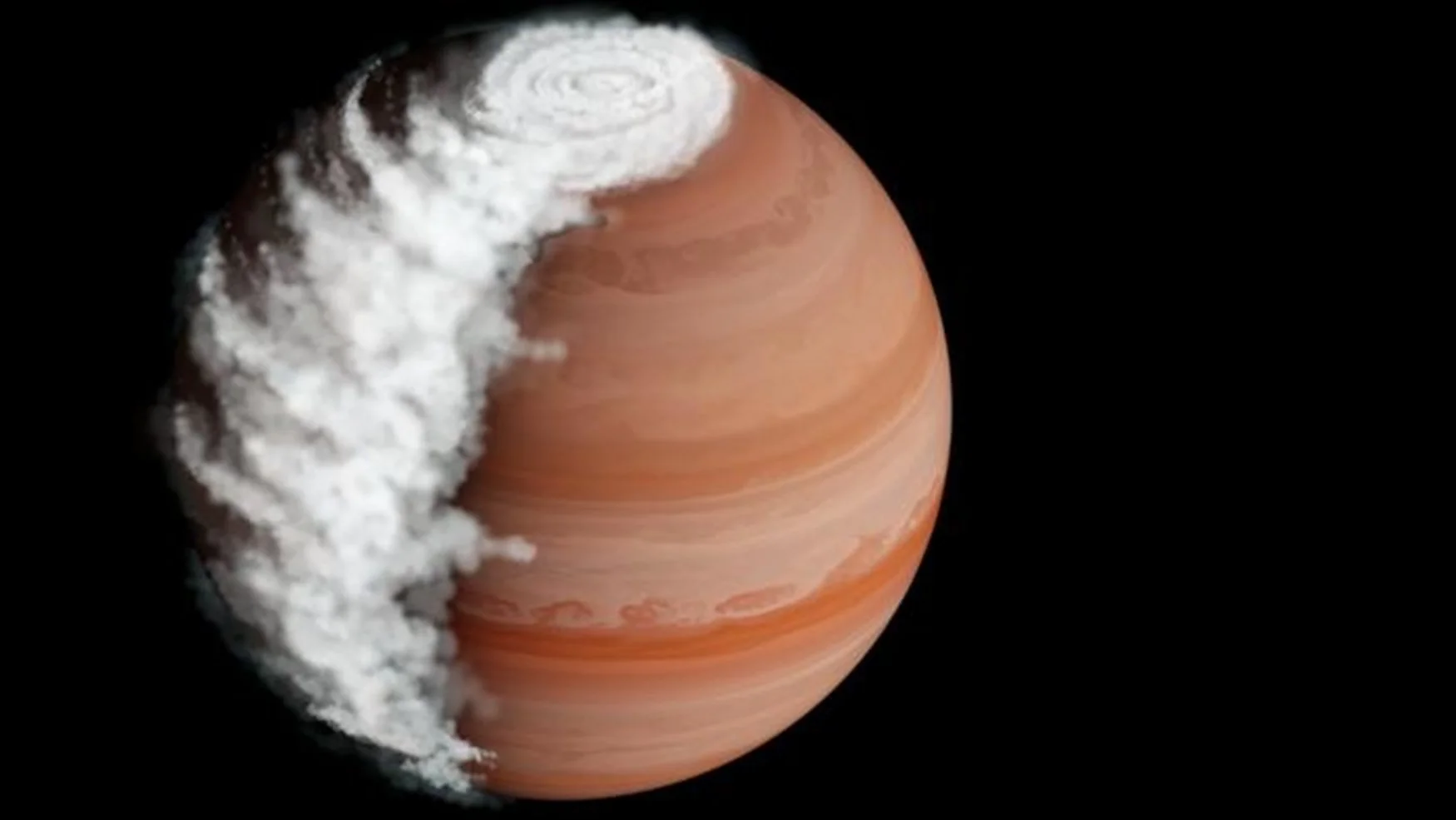
JWST reveals surprising atmospheric changes from morning to evening on Hot Jupiter WASP-94A b
A distant giant planet has been hiding clues in its clouds. Now, the James Webb Space Telescope has revealed that its atmosphere changes in
 universal-sci.com·5d ago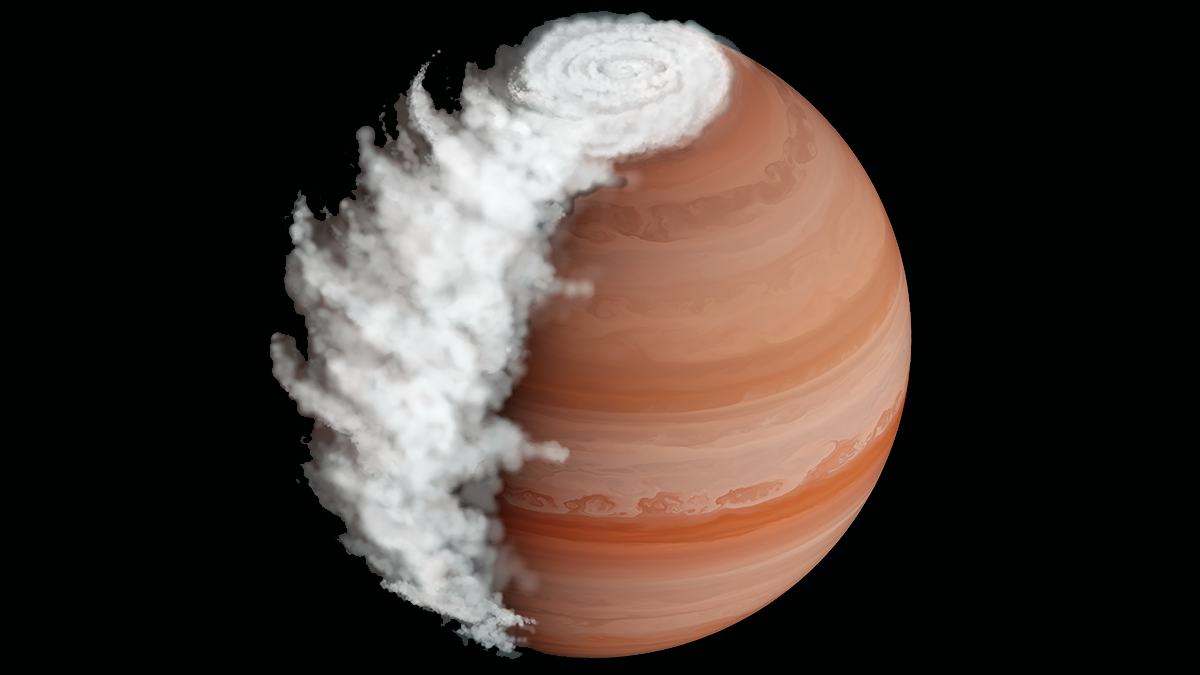
JWST Reveals WASP-39b Has Cloudy Mornings and Clear Evenings, Solving Longstanding Exoplanet Mystery
An improved weather forecast for an exoplanet 700 light-years away has revealed new details about its true chemical composition, clarifying
 eos.org·24d ago
JWST reveals asymmetric cloud cycle on hot Jupiter exoplanet WASP-94A b
New observations by the JWST provide a much clearer understanding of clouds on a distant world

JWST Study Reveals Exoplanet GJ 3929b as Likely Bare Rock Without Atmosphere
We report first results from the JWST Rocky Worlds Director's Discretionary Time program. Two secondary eclipses of the terrestrial exoplane
 arxiv.org·10mo ago
James Webb uncovers exotic salt clouds on a mysterious pink world
Astronomers have finally cracked the mystery of the famous “Pink Planet,” a strange world 57 light-years away that has puzzled scientists fo
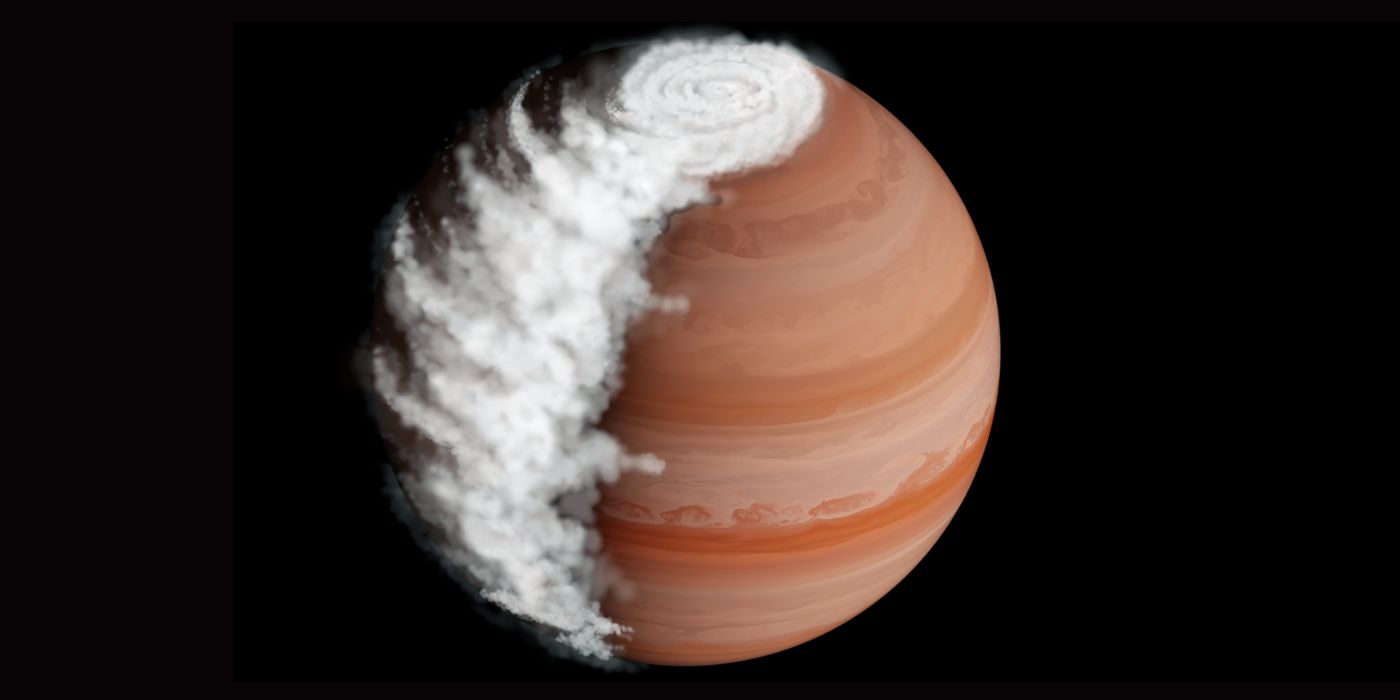
How Clouds Obscure Exoplanet Atmospheres: A Challenge for JWST and Astronomers
During a recent SETI Live conversation, SETI Institute research scientist Dr. Lauren Sgro sat down with Arizona State University postdoctora
 seti.org·8d ago
Comments
Sign in to join the conversation.
No comments yet. Be the first.