
























In August 2012, Voyager 1 recorded a sudden surge in galactic cosmic rays while the surrounding magnetic field barely changed direction—an unexpected combination that revealed the boundary of interstellar space was more complicated than scientists had pre
Voyager 1's particle detectors said it had crossed into interstellar space in August 2012, but the magnetic field refused to turn as the models required. Settling the contradiction reshaped the…
Read the full articleYou might also wanna read


Featured Image: A Ribbon Around the Heliosphere
When mapping energetic atoms from the edge of our solar system, the Interstellar Boundary Explorer discovered an unexpected ribbon-like feat
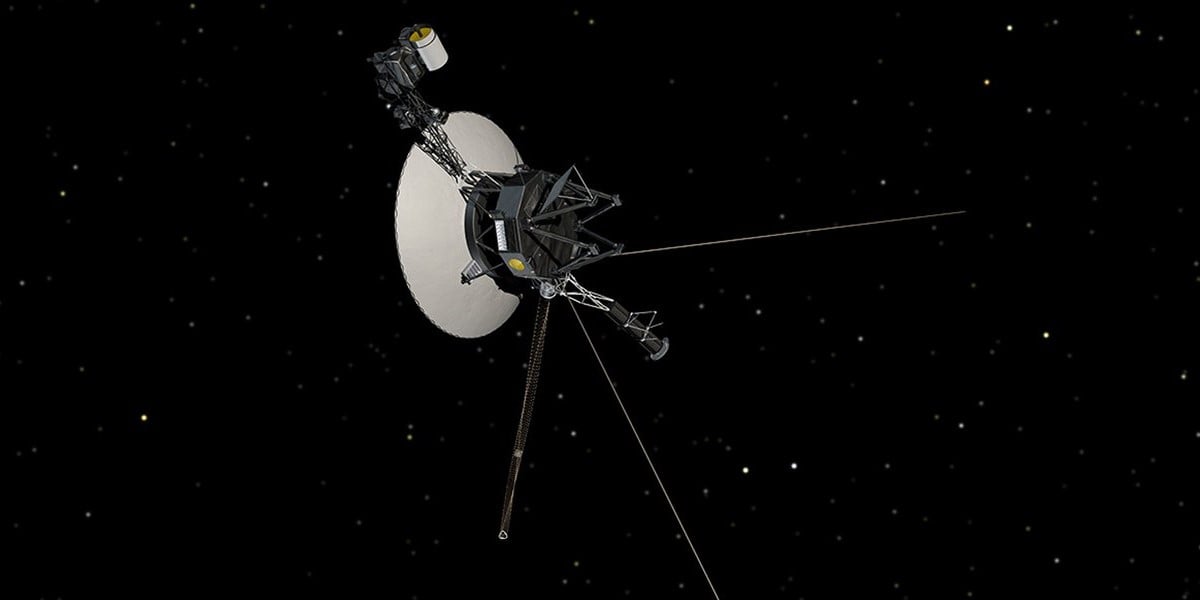
Voyager 1 marks 48 years in space as power-saving measures begin
: Powered by plutonium, running on pure stubbornness
 theregister.com·10mo ago
A solar storm undergoes a "super expansion" on its way to Earth, baffling physicists
A solar explosion created a magnetic bubble that expanded by twenty percent as it traveled toward our planet, heating its internal gas and p
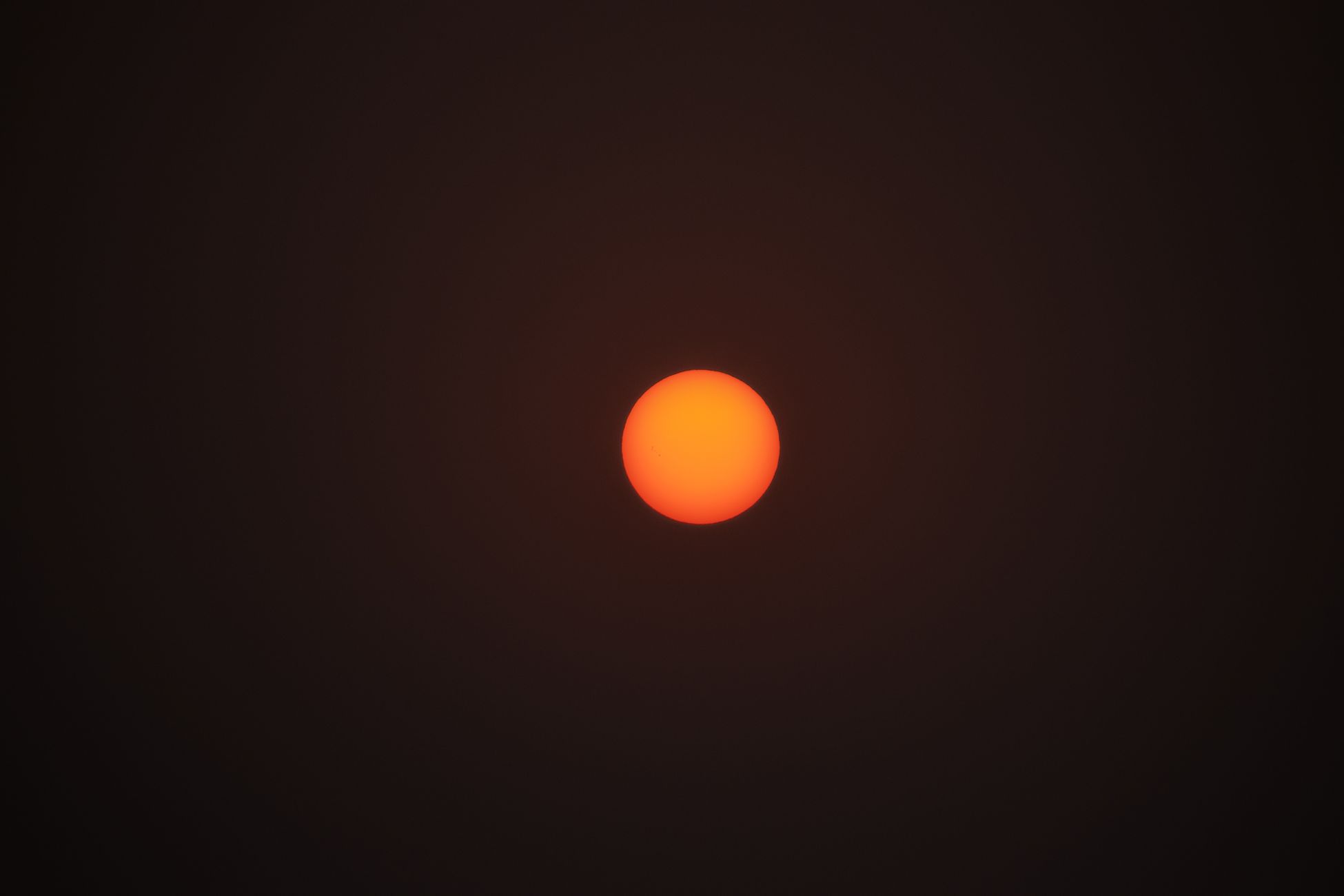
NASA's STEREO-A spacecraft captured only direct measurements of a Carrington-class solar storm in 2012
On July 23, 2012, a coronal mass ejection of Carrington-class intensity tore off the Sun and struck NASA's STEREO-A spacecraft head-on. Eart
 spacedaily.com·19d ago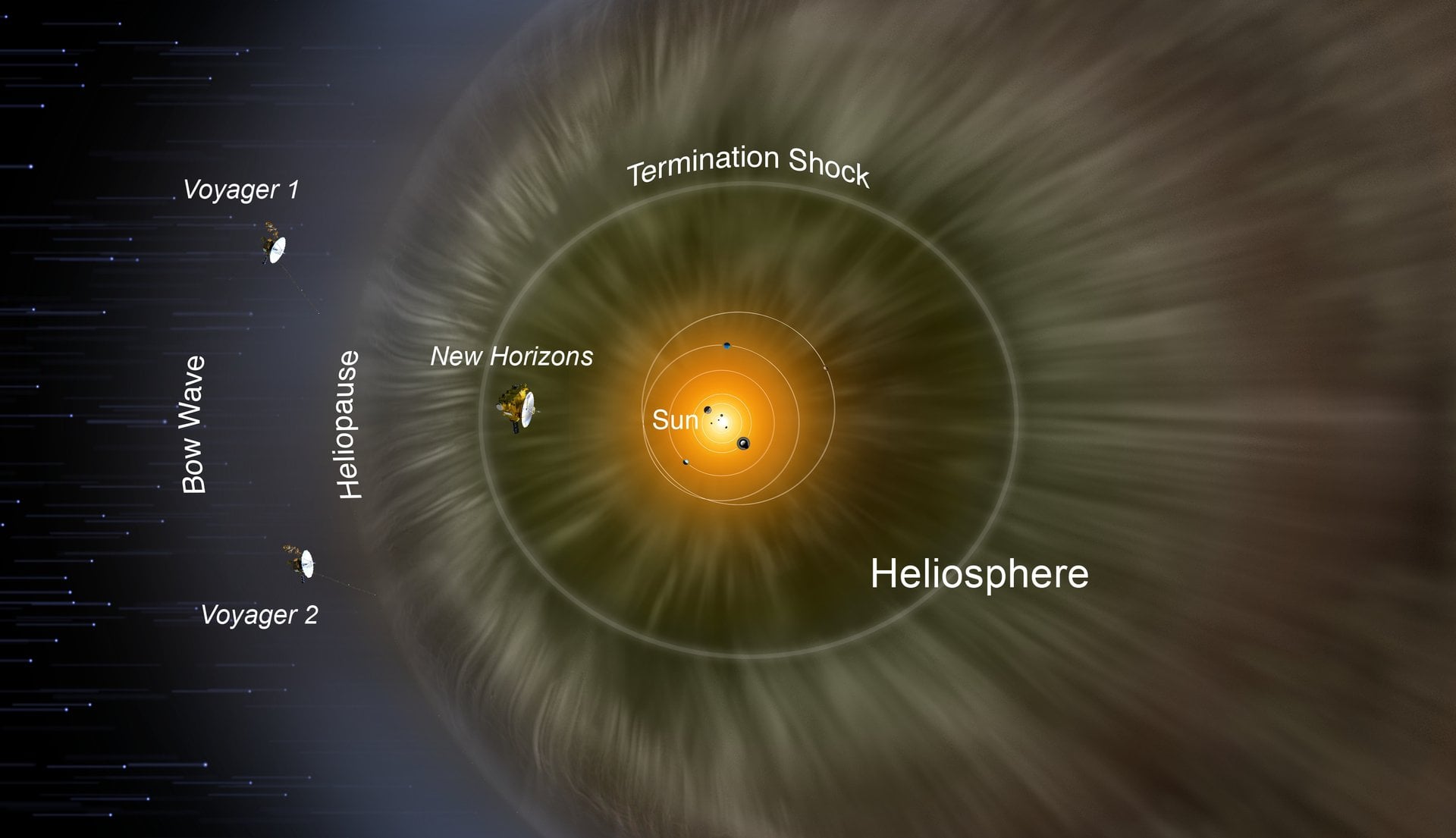
SwRI Scientists Develop Solar Wind Forecasting Method to Map Heliosphere Boundary for New Horizons
Southwest Research Institute (SwRI) scientists are using a solar wind forecasting method combined with analytic and numerical heliosphere mo
 universetoday.com·6d ago
On November 18, 2026, Voyager 1 becomes the first thing humanity has ever built to sit a full light-day away — a full day for any signal to reach it.
On November 18, 2026, Voyager 1 will cross a milestone no machine has ever reached: it will sit a full light-day from Earth. From that dista
Comments
Sign in to join the conversation.
No comments yet. Be the first.